


As we age, maintaining balance becomes crucial for a healthy and active lifestyle. Balance training for seniors is not just about preventing falls; it’s about enhancing stability, confidence, and overall well-being. In this article, we’ll explore why balance training is essential for older adults and how it can be incorporated into daily routines.
Why is Balance Training Important for Seniors?
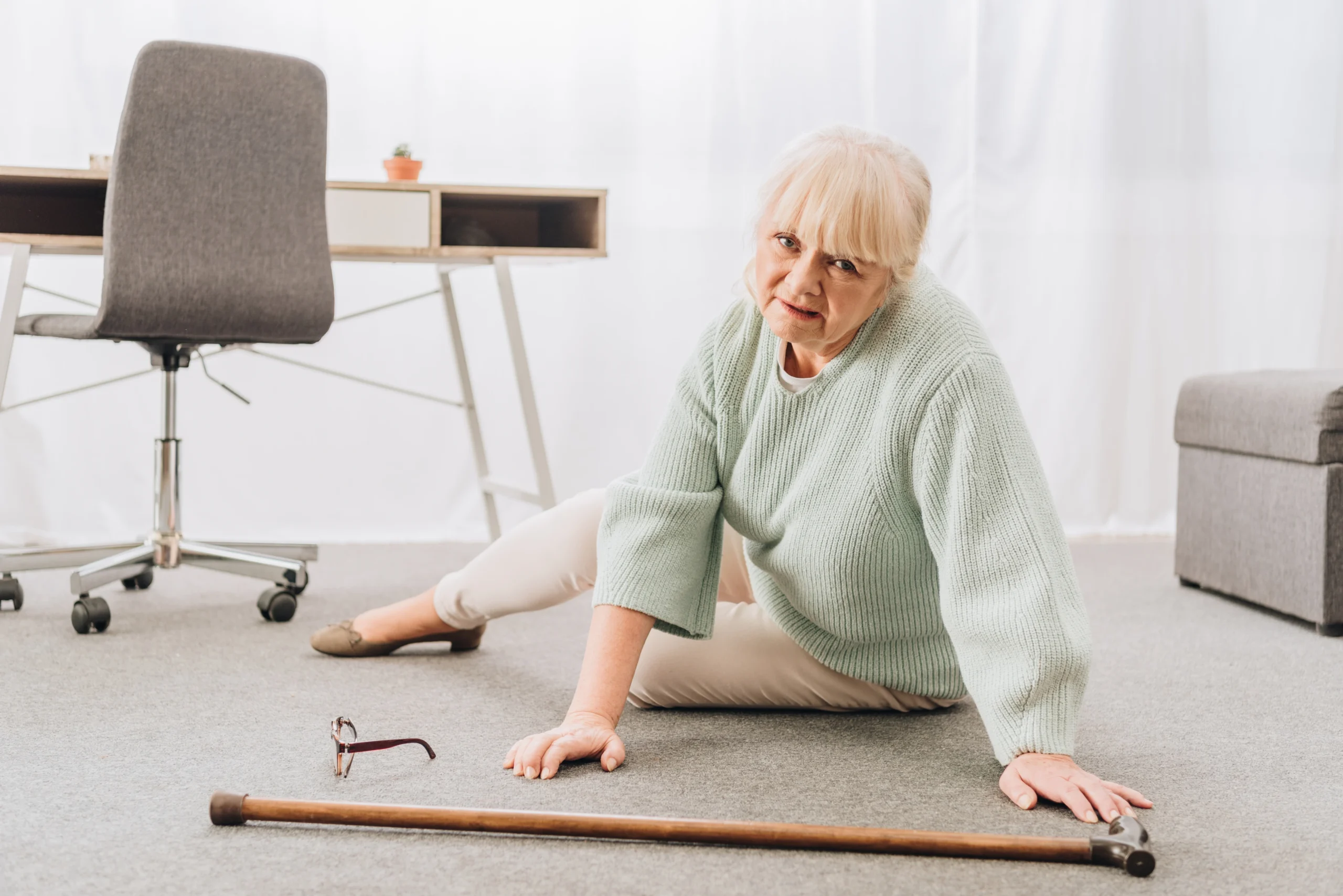
As we age, our bodies undergo various changes that can affect our balance. Muscle strength decreases, joints become less flexible, and vision might deteriorate. These factors contribute to an increased risk of falls, which can have severe consequences for seniors. Incorporating balance exercises can help mitigate these risks by improving coordination, strength, and confidence.
Benefits of Balance Training
1. Preventing Falls
One of the primary benefits of balance training is its ability to reduce the risk of falls. By enhancing muscle strength and coordination, seniors can navigate their environment more safely. According to a study from the Oxford University Press, regular balance exercises can significantly decrease fall risks.
2. Improving Mobility
With improved balance, seniors can move more freely and perform daily activities with ease. This newfound mobility can lead to a more active lifestyle, promoting cardiovascular health and overall physical fitness.
3. Boosting Confidence
Fear of falling can limit a senior’s willingness to engage in physical activities. By improving balance, seniors can gain confidence in their movements, encouraging them to participate in social and recreational activities.
Effective Balance Training Exercises
1. Single-Leg Stands
This simple exercise involves standing on one leg for a few seconds and then switching to the other leg. It’s an effective way to enhance balance and stability.
2. Tai Chi
Tai Chi is a gentle form of martial arts known for improving balance and flexibility. It’s an excellent option for seniors as it incorporates slow, controlled movements that enhance coordination.
3. Heel-to-Toe Walk
This exercise involves walking in a straight line, placing the heel of one foot directly in front of the toes of the other foot. It’s a great way to improve balance and coordination.
Incorporating Balance Training into Daily Life
1. Consistency is Key
To see significant improvements, it’s essential to incorporate balance exercises into a regular routine. Aim for at least three sessions per week, gradually increasing intensity as you become more comfortable.
2. Use Supportive Equipment
Using supportive equipment like non-wearable systems can provide additional safety and confidence when performing balance exercises.
3. Seek Professional Guidance
If you’re unsure where to start, consider consulting a physical therapist or a fitness professional who specializes in working with seniors. They can tailor balance training programs to individual needs and abilities.
Challenges and Solutions
1. Overcoming Fear
It’s natural for seniors to feel apprehensive about starting a new exercise routine. Encouragement and gradual progression can help overcome this fear, making the process more enjoyable.
2. Adapting to Limitations
Physical limitations can pose challenges, but exercises can be modified to accommodate different abilities. A professional can assist in creating a customized plan that addresses specific needs.
Conclusion
Balance training for seniors is an essential component of maintaining an active and fulfilling lifestyle. By improving stability and confidence, seniors can enjoy a higher quality of life, reduced risk of falls, and increased independence. Whether through exercises like Tai Chi or simple routines like single-leg stands, incorporating balance training can make a significant difference.
FAQs
1. How often should seniors engage in balance training?
It’s recommended that seniors perform balance exercises at least three times a week to see improvements.
2. Can balance training help with arthritis?
Yes, balance training can improve joint flexibility and reduce pain associated with arthritis.
3. Are there any precautions seniors should take?
Seniors should start with gentle exercises and consider consulting a healthcare provider to ensure safety.
This article contains affiliate links. We may earn a commission at no extra cost to you.