

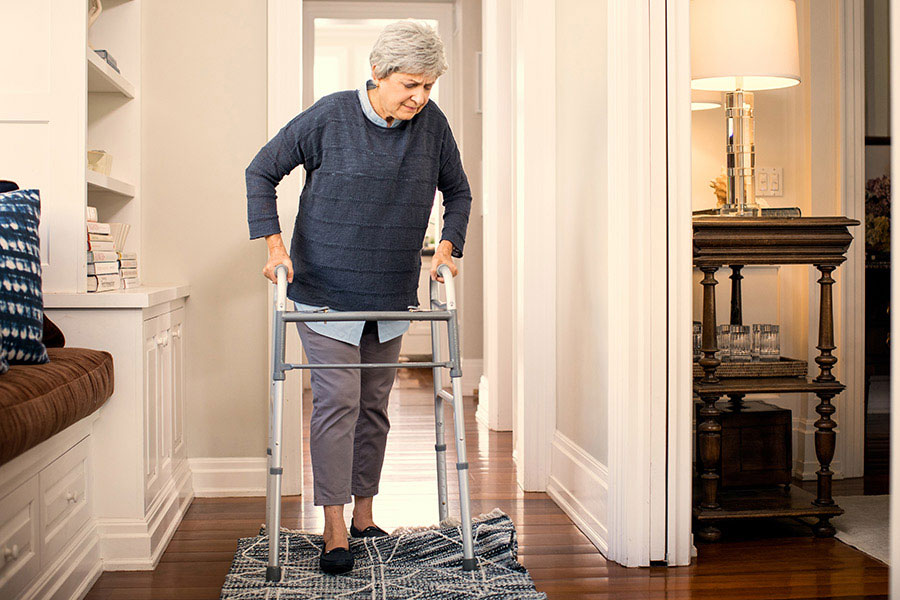
In recent years, the focus on community fall prevention programs has grown significantly. These programs are crucial in helping seniors maintain their independence while minimizing the risks associated with falls. With the aging population on the rise, understanding how these programs work and their benefits is more important than ever.
The primary goal of community fall prevention programs is to create a safer environment for older adults, thereby reducing fall-related injuries and improving their overall quality of life. By strategically placing these programs at the forefront, communities can ensure that their elderly population receives the necessary support and resources to live safely and confidently.
The Importance of Fall Prevention
Falls are one of the leading causes of injury among older adults, making fall prevention a critical aspect of senior health care. According to the CDC, one in four adults aged 65 and older experiences a fall each year. These incidents can lead to severe injuries such as hip fractures and head traumas, which can have long-lasting effects on an individual’s health and well-being.
Key Components of Fall Prevention Programs
Effective fall prevention programs typically include several key components designed to address the various factors contributing to falls. These components may include:
Risk Assessment
Identifying individuals at risk of falling is the first step in preventing falls. This assessment involves evaluating factors such as medical history, medication use, and home environment. By understanding these risk factors, programs can tailor interventions to meet the specific needs of each individual.
Exercise and Physical Activity
Regular physical activity is essential for maintaining balance, strength, and flexibility, all of which are crucial for preventing falls. Many programs incorporate exercise classes specifically designed for seniors, focusing on activities that enhance balance and coordination.
Home Safety Modifications
Making modifications to the home environment is another critical component of fall prevention. Simple changes, such as installing grab bars in the bathroom or ensuring adequate lighting, can significantly reduce the risk of falls within the home.
Community Involvement and Support
Community involvement plays a vital role in the success of fall prevention programs. By fostering a supportive environment, communities can encourage seniors to participate in programs and adopt safety measures. This involvement may include partnerships with local health organizations, senior centers, and volunteer groups.
Educational Workshops
Education is a powerful tool in preventing falls. Workshops and seminars can provide seniors with the knowledge they need to understand their fall risks and how to mitigate them. Topics may cover safe movement techniques, medication management, and the importance of regular medical check-ups.
Support Networks
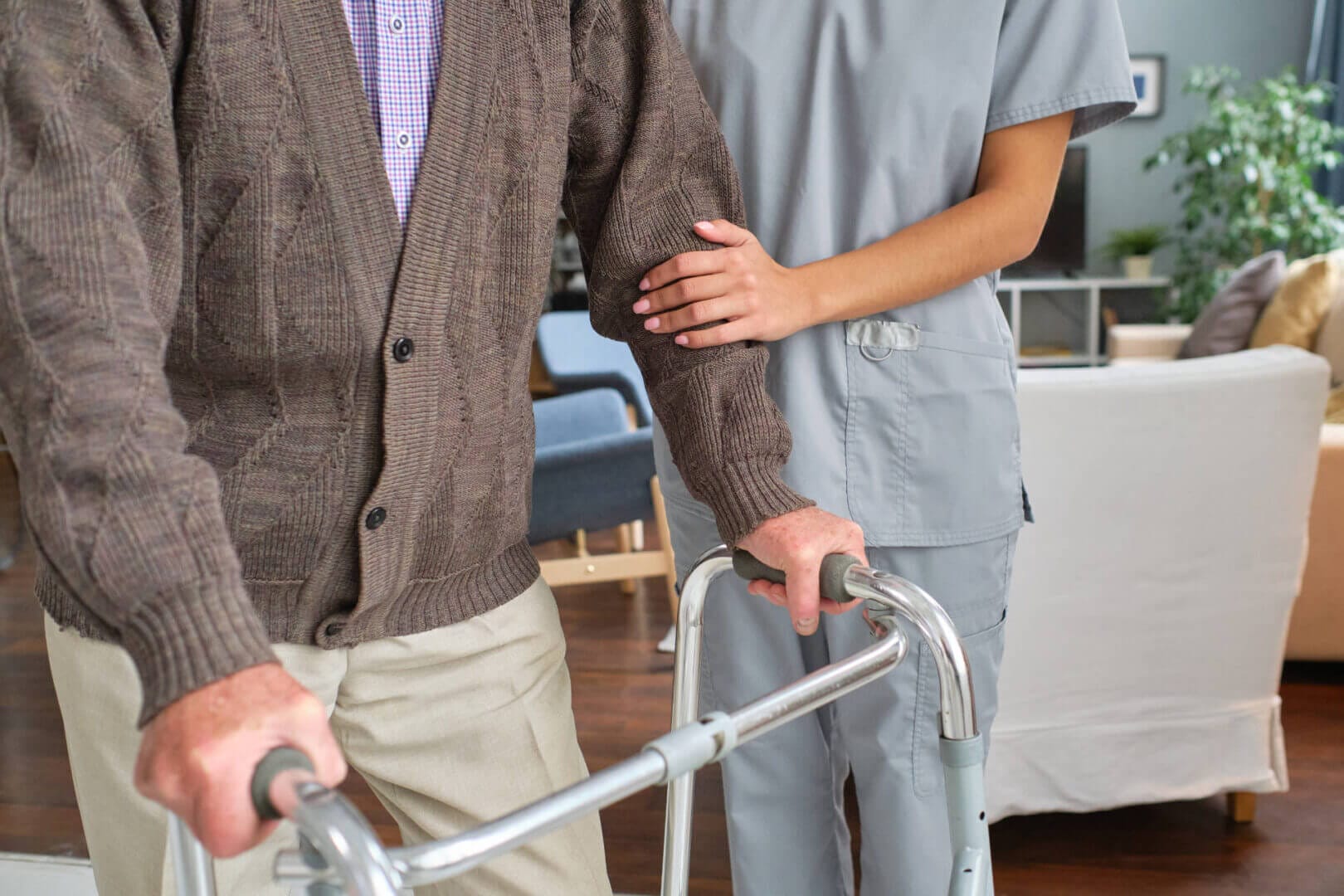
Creating support networks for seniors can help reduce anxiety and build confidence. These networks may consist of family members, friends, and community volunteers who offer assistance and companionship, further promoting safety and well-being.
The Role of Technology in Fall Prevention
Technology has become an integral part of modern fall prevention strategies. Devices such as fall detection sensors and wearable alarms can alert caregivers and emergency services in the event of a fall, ensuring prompt assistance. For more on technology’s role in fall prevention, you can explore fall detection devices.
Additionally, telehealth services allow seniors to consult with healthcare providers from the comfort of their homes, enabling timely interventions and reducing the need for in-person visits.
Evaluating the Effectiveness of Programs
To ensure the success of fall prevention programs, it is essential to evaluate their effectiveness regularly. This process involves tracking outcomes such as the number of falls, participant satisfaction, and overall program engagement. Feedback from participants can provide valuable insights into areas for improvement and highlight successful strategies.
Continuous Improvement
Programs must remain adaptable and responsive to the changing needs of the senior population. Regularly updating educational materials, incorporating new technologies, and expanding program offerings can help maintain their relevance and effectiveness.
Conclusion
In conclusion, community fall prevention programs play a crucial role in enhancing the safety and well-being of seniors. By addressing risk factors, fostering community support, and utilizing technology, these programs can significantly reduce the incidence of falls and improve the quality of life for older adults. As we move forward, continued investment in and development of these programs will be essential in meeting the needs of our aging population.

FAQs
What are the main goals of community fall prevention programs?
The main goals are to reduce fall-related injuries, enhance senior safety, and improve overall quality of life through risk assessment, physical activity, and community support.
How can exercise help in fall prevention?
Exercise helps by improving balance, strength, and flexibility, which are vital for preventing falls. Programs often include activities specifically designed for seniors.
What role does technology play in fall prevention?
Technology, such as fall detection devices and telehealth services, plays a significant role in providing timely assistance and healthcare consultations, enhancing overall safety.
This article contains affiliate links. We may earn a commission at no extra cost to you.