

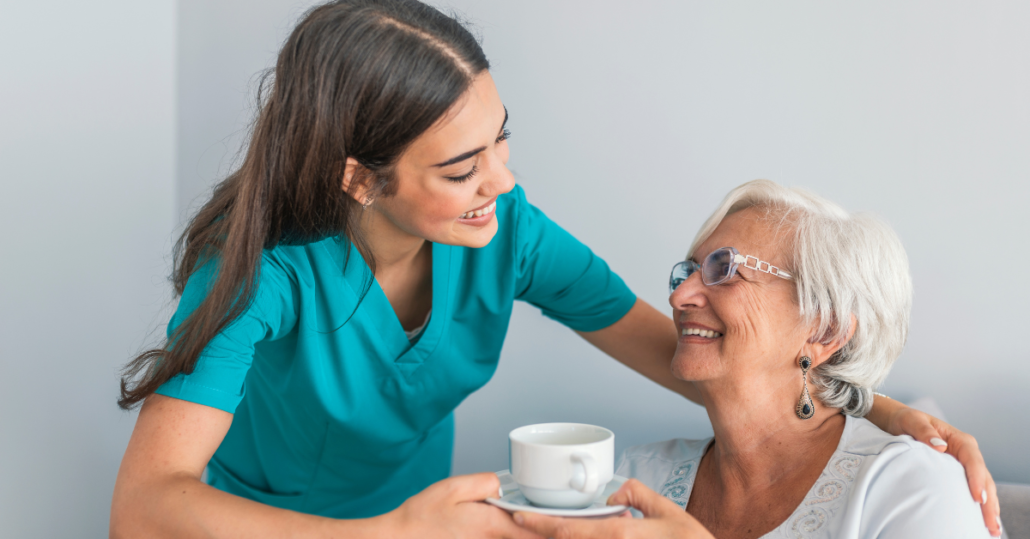
As the global population ages, families and caregivers are increasingly seeking effective ways to ensure the safety, health, and well-being of older adults living independently or with assistance. Elderly care monitoring systems have become essential tools for supporting aging loved ones, offering peace of mind and practical solutions for daily challenges. These technologies range from simple alert devices to comprehensive digital platforms, all designed to help seniors maintain independence while staying connected to caregivers and family.
Whether you are a family member, professional caregiver, or simply researching options for the future, understanding the available solutions and how they work is crucial. In this article, we’ll explore the types of monitoring technologies, their benefits, important features to consider, and how to choose the right system for your needs. For those interested in broader support tools, resources like elderly routine management tools can complement monitoring systems and enhance daily living.
Understanding Technology for Senior Monitoring
Modern elderly care monitoring systems use a mix of hardware and software to track health, activity, and safety. These solutions can be as simple as wearable alert buttons or as advanced as smart home sensors and AI-powered platforms. The main goal is to provide oversight without intruding on privacy or independence.
Some systems focus on emergency response, while others offer continuous tracking of daily routines, medication reminders, and even social engagement. For caregivers managing multiple aspects of senior care, integrating senior routine management tools can streamline daily schedules alongside monitoring.
Key Features of Modern Monitoring Solutions
When evaluating options, it’s important to consider the features that best address your loved one’s needs. Here are some of the most valuable capabilities found in today’s monitoring technologies:
- Fall detection: Automatically alerts caregivers if a fall is detected, even if the senior is unable to call for help.
- GPS location tracking: Useful for seniors who may wander or get lost, especially those with memory issues.
- Health monitoring: Tracks vital signs such as heart rate, blood pressure, and oxygen levels, sending alerts if readings are abnormal.
- Medication reminders: Ensures medications are taken on time, reducing the risk of missed doses.
- Two-way communication: Allows direct contact between the senior and caregivers through the device.
- Activity and routine tracking: Monitors daily habits and can alert caregivers to changes that might signal health concerns.
For those interested in supporting social engagement as well as safety, elderly social activity tracking solutions can complement monitoring systems by encouraging interaction and reducing isolation.

Types of Elderly Monitoring Devices and Platforms
The market offers a wide range of products, each catering to different needs and lifestyles. Understanding the main categories can help you make an informed decision:
- Wearable devices: These include smartwatches, pendants, and wristbands equipped with sensors for fall detection, GPS, and health monitoring. Many are designed to be discreet and comfortable for daily use.
- In-home sensors: Motion detectors, door sensors, and pressure mats can monitor movement and activity patterns throughout the home. These are ideal for seniors who spend most of their time indoors.
- Smart home integrations: Some systems connect with voice assistants and smart appliances, enabling automation and remote monitoring of home environments.
- Comprehensive platforms: These combine multiple features—such as health tracking, emergency alerts, and routine management—into a single app or dashboard for caregivers.
For families who value companionship as much as safety, exploring elderly companionship tracking tools can further support emotional well-being alongside physical health.
Benefits for Seniors and Caregivers
The advantages of using elderly care monitoring systems extend beyond basic safety. Here are some of the key benefits:
- Peace of mind: Both seniors and their families gain reassurance knowing help is available when needed.
- Increased independence: Older adults can maintain autonomy while still having support in place for emergencies.
- Early intervention: Continuous monitoring allows for quick response to health changes or accidents, potentially preventing serious outcomes.
- Reduced caregiver stress: Remote oversight means caregivers can check in without being physically present at all times.
- Personalized care: Data collected by these systems can help tailor care plans to individual needs and routines.
For those supporting loved ones with memory challenges, resources like calendar tools for dementia progression can be a valuable addition to a monitoring setup.

How to Choose the Right Senior Monitoring Solution
Selecting the best system depends on individual circumstances, preferences, and health needs. Here are some factors to consider:
- Level of independence: Consider whether the senior lives alone, with family, or in a care facility. Some systems are better suited for fully independent living, while others integrate with professional care services.
- Health conditions: Look for features that address specific health concerns, such as heart monitoring for cardiac patients or GPS tracking for those with dementia.
- Ease of use: Devices should be simple to operate, with clear instructions and minimal maintenance.
- Budget: Costs can vary widely. Some solutions require monthly subscriptions, while others are one-time purchases.
- Integration with other tools: Combining monitoring with senior companionship tracking or routine management apps can provide a more holistic approach to care.
FAQ: Common Questions About Elderly Monitoring
Are monitoring systems intrusive to seniors’ privacy?
Most modern solutions are designed to balance safety with respect for privacy. Many devices only track essential data, and some allow users to control what information is shared with caregivers or family members.
Do these systems require Wi-Fi or internet access?
Many advanced platforms use Wi-Fi or cellular networks to send alerts and updates. However, basic devices like personal emergency response buttons may operate independently of internet connections.
Can monitoring systems help with medication management?
Yes, many products include medication reminders and tracking features. These can help ensure that seniors take their medications on schedule, reducing the risk of missed doses or accidental double dosing.
How do I know which features are most important?
Start by assessing your loved one’s daily routine, health status, and living environment. Prioritize features that address their specific risks and needs, and consider consulting with healthcare professionals for recommendations.
As technology continues to advance, elderly care monitoring systems are becoming more accessible and adaptable, offering greater support for seniors and those who care for them. By understanding the available options and how they fit into your caregiving strategy, you can help ensure a safer, more connected, and fulfilling life for your aging loved ones.