

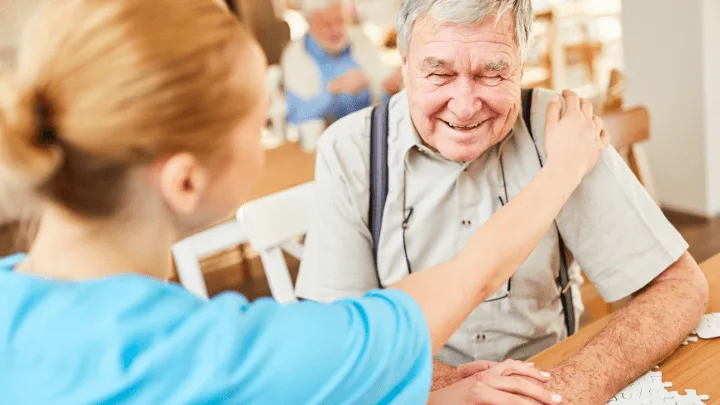
As the global population ages, the importance of elderly companionship tracking continues to grow. Many families and caregivers are searching for effective ways to ensure older adults remain socially engaged, safe, and well-supported in their daily lives. Modern tracking solutions offer practical tools to monitor not only the physical well-being of seniors but also their social interactions and emotional health. These technologies and strategies can help reduce isolation, improve quality of life, and provide peace of mind for loved ones.
This article explores the latest trends, technologies, and best practices for monitoring companionship and engagement among seniors. Whether you are a family member, professional caregiver, or senior living community manager, understanding these solutions can help you make informed decisions about supporting the social and emotional needs of older adults.
For those interested in related approaches to senior care, you may also want to learn about senior fall prevention tracking to further enhance safety and well-being at home.
Why Social Engagement Matters for Older Adults
Maintaining regular social contact is essential for seniors’ mental and physical health. Studies show that frequent interaction with friends, family, and caregivers can help reduce the risk of depression, cognitive decline, and even some chronic illnesses. Loneliness and isolation, on the other hand, are linked to increased health risks and a lower quality of life.
By using companionship tracking tools, families and care providers can monitor the frequency and quality of social interactions, ensuring that seniors remain connected and engaged. These solutions are particularly valuable for those living alone or in assisted living environments where regular check-ins may be challenging.
Types of Elderly Companionship Tracking Technologies
The market offers a variety of options for monitoring and supporting companionship among older adults. Here are some of the most common and effective technologies:
- Wearable Devices: Smart watches and fitness trackers can log daily activities, detect movement, and even prompt users to connect with loved ones or caregivers. Many devices also include emergency alert features.
- Mobile Apps: There are dedicated applications designed to track social visits, phone calls, and video chats. Some apps allow caregivers to set reminders for regular check-ins or schedule virtual visits.
- In-Home Sensors: Discreet sensors placed around the home can monitor movement patterns, detect unusual inactivity, and alert family members if something seems amiss.
- Companion Robots: Advanced robotics are being used in some settings to provide conversation, reminders, and even companionship for seniors, especially those with limited mobility.
- Online Platforms: Digital communities and social networks tailored for seniors help foster new connections and encourage regular interaction.
Key Features to Look for in Companionship Monitoring Solutions
When evaluating options for elderly companionship tracking, consider the following features to ensure the solution meets your needs:
- Ease of Use: Devices and apps should have simple interfaces suitable for seniors with varying levels of tech comfort.
- Privacy and Security: Data protection is crucial, especially when monitoring personal routines and health information.
- Customizable Alerts: Look for systems that allow you to tailor notifications for missed check-ins, inactivity, or changes in routine.
- Integration with Other Care Tools: Some solutions can be linked with health monitoring or senior bathing routine tracking for a more comprehensive approach.
- Support for Multiple Users: If several family members or caregivers are involved, choose a platform that allows shared access and communication.

Integrating Companionship Tracking into Daily Routines
To maximize the benefits of these monitoring solutions, it’s important to weave them into the daily lives of seniors in a way that feels natural and supportive. Here are some practical tips:
- Start Small: Introduce one tool at a time, such as a wearable device or a simple check-in app, to avoid overwhelming the user.
- Encourage Participation: Involve seniors in the setup and customization process so they feel empowered and in control.
- Combine with Other Wellness Strategies: Pair companionship monitoring with senior mental wellness tracking to support holistic well-being.
- Regularly Review Data: Use the insights from tracking tools to identify patterns, celebrate improvements, and address any concerns promptly.
- Stay Flexible: Adjust routines and technology choices as needs and preferences evolve over time.
Benefits for Families and Caregivers
For those supporting older adults, companionship tracking offers several key advantages:
- Peace of Mind: Knowing that a loved one is regularly interacting with others and following a healthy routine can reduce anxiety for family members.
- Early Detection of Issues: Unusual patterns, such as missed visits or sudden withdrawal, can be flagged early, allowing for timely intervention.
- Improved Communication: Shared platforms enable families and caregivers to coordinate visits, share updates, and support each other.
- Personalized Support: Data-driven insights help tailor care plans to each individual’s preferences and needs.
Challenges and Considerations
While the benefits are significant, there are also challenges to consider when implementing elderly companionship tracking solutions:
- Privacy Concerns: Seniors may worry about being monitored too closely. It’s important to discuss boundaries and ensure transparency.
- Technology Barriers: Not all older adults are comfortable with digital devices. Providing training and ongoing support is essential.
- Cost: Some solutions, especially advanced wearables or in-home sensors, may require a financial investment.
- Reliability: Devices and apps should be tested for accuracy and dependability before relying on them for safety or well-being.
Best Practices for Successful Implementation
To get the most out of companionship monitoring, consider these best practices:
- Prioritize Consent: Always involve seniors in decisions about monitoring and respect their preferences.
- Provide Training: Offer clear instructions and ongoing support to help users become comfortable with new technologies.
- Encourage Social Activities: Use tracking insights to suggest group activities, outings, or virtual meetups.
- Monitor Holistically: Combine companionship data with other wellness metrics, such as those from elderly fall prevention tracking, for a complete picture of well-being.
- Stay Informed: Keep up with the latest research and product updates to ensure you’re using the most effective tools available.
Additional Resources and Expert Guidance
For more detailed advice on supporting seniors at home, you can read this comprehensive guide to building a daily routine for seniors in home care. Combining routine-building with companionship monitoring can significantly enhance both safety and happiness for older adults.
Frequently Asked Questions
What is elderly companionship tracking and how does it work?
Elderly companionship tracking refers to the use of technology and structured routines to monitor and encourage social interaction among seniors. This can involve wearable devices, mobile apps, in-home sensors, or even digital platforms that log visits, calls, and activities. The goal is to reduce isolation, promote engagement, and provide actionable insights for caregivers and families.
Are these tracking solutions safe and private for seniors?
Most modern solutions prioritize privacy and data security, but it’s important to review each product’s policies and involve seniors in all decisions. Transparency, consent, and clear communication are key to maintaining trust and comfort.
Can companionship monitoring be combined with other wellness tools?
Yes, many platforms allow integration with health monitoring, medication reminders, and safety features such as fall detection. This holistic approach provides a more complete picture of a senior’s well-being and helps families coordinate care more effectively.