

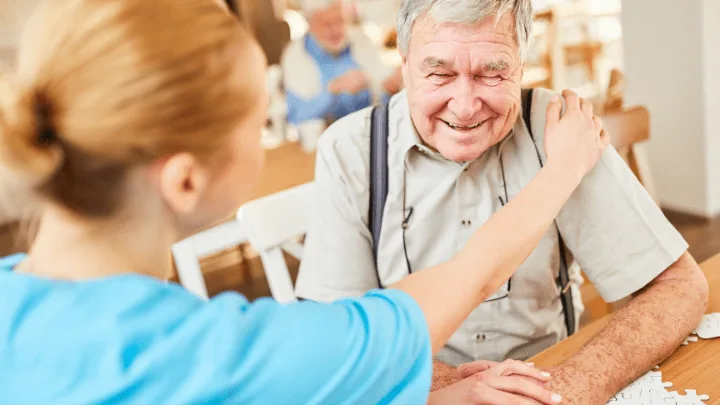
Falls are a leading cause of injury among older adults, making elderly fall prevention tracking a crucial part of maintaining safety and independence. By monitoring daily routines, identifying risk factors, and implementing proactive strategies, families and caregivers can significantly reduce the likelihood of falls. This guide explores practical methods, tools, and best practices for keeping seniors safe at home and in care settings.
Consistent observation and documentation help spot patterns and intervene early. Whether you’re a family member, professional caregiver, or senior yourself, understanding how to track and prevent falls is essential for long-term well-being. For those interested in broader daily care strategies, you may also find value in daily schedule tracking for elderly to support overall routine management.
Why Monitoring Falls in Seniors Matters
Tracking incidents and near-misses is more than just record-keeping—it’s a proactive approach to safeguarding health. Falls can lead to fractures, hospitalizations, and a loss of confidence, often resulting in reduced mobility and independence. By maintaining a log of when, where, and how falls or stumbles occur, caregivers can identify patterns and triggers, such as slippery floors, poor lighting, or medication side effects.
Early intervention, informed by careful observation, can help prevent future incidents. This process also supports communication with healthcare providers, ensuring that medical advice is tailored to the senior’s unique risks and needs.
Key Components of an Effective Fall Tracking System
A comprehensive approach to elderly fall prevention tracking involves several elements:
- Incident Logs: Record every fall, stumble, or near-miss, including time, location, activity, and possible causes.
- Environmental Assessments: Regularly inspect living spaces for hazards such as loose rugs, clutter, or inadequate lighting.
- Routine Reviews: Track changes in mobility, balance, and strength through daily or weekly check-ins.
- Medication Monitoring: Note any new prescriptions or changes that might affect balance or alertness.
- Communication: Share findings with healthcare professionals to adjust care plans as needed.
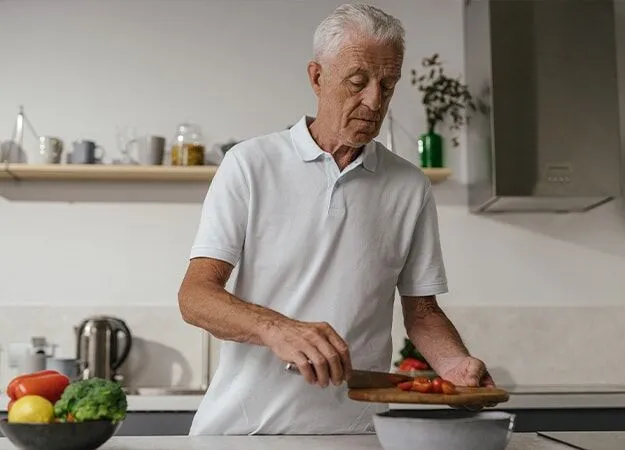
Tools and Technology for Tracking Falls
Modern technology offers a range of solutions to support fall monitoring. Wearable devices, such as smart watches, can automatically detect sudden movements or impacts and alert caregivers. These devices often include features like step counters, heart rate monitoring, and emergency call buttons, providing peace of mind for both seniors and their families.
In addition to wearables, there are mobile apps and home monitoring systems designed specifically for older adults. These tools can log incidents, remind users to take medications, and even provide real-time updates to family members. For those seeking structured routines, elderly daily routine tracking can complement fall prevention efforts by promoting regular activity and reducing risks associated with inactivity or confusion.
Practical Steps for Reducing Fall Risk
While tracking is essential, prevention is the ultimate goal. Here are some actionable strategies to minimize hazards:
- Remove Tripping Hazards: Keep walkways clear of cords, rugs, and clutter.
- Improve Lighting: Use night lights and ensure all rooms are well-lit, especially stairways and bathrooms.
- Install Safety Features: Add grab bars in bathrooms and handrails on stairs.
- Encourage Physical Activity: Gentle exercises, such as walking or balance training, help maintain strength and coordination. Explore senior outdoor activities for ideas.
- Review Medications: Work with healthcare providers to identify drugs that may cause dizziness or drowsiness.
- Schedule Regular Vision Checks: Poor eyesight increases the risk of accidents.
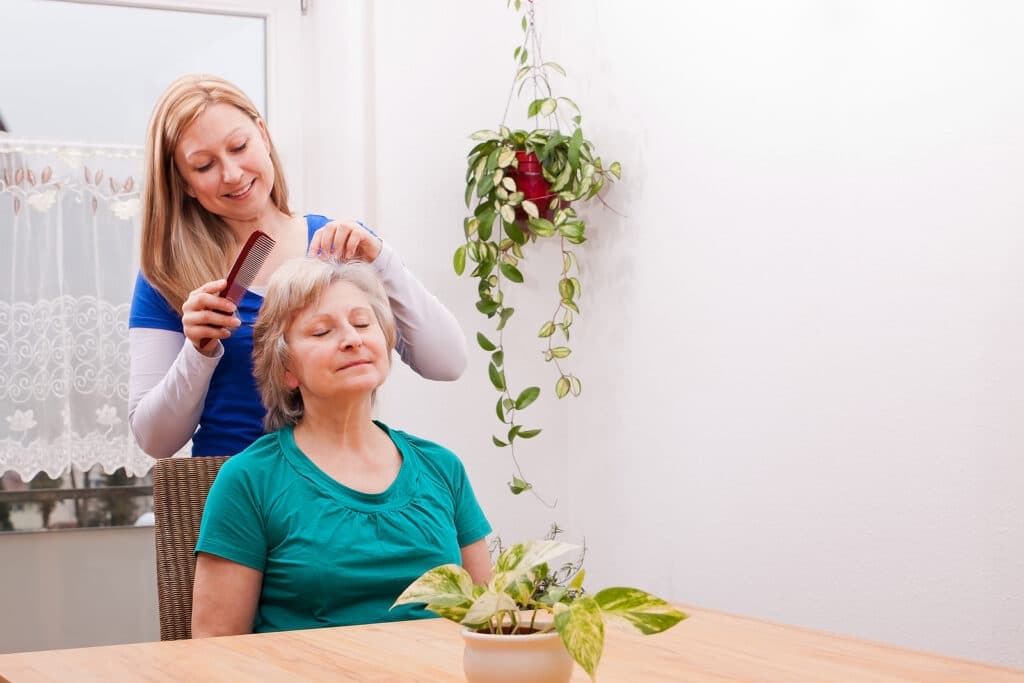
Integrating Fall Prevention With Daily Routines
Incorporating fall prevention into everyday life helps make safety a habit rather than a chore. Establishing consistent routines—such as scheduled exercise, regular hydration, and timely medication—can reduce confusion and fatigue, both of which are common contributors to falls. Community involvement, like joining senior clubs, also encourages social interaction and physical activity, further lowering risk.
For caregivers, using checklists or digital trackers can streamline the process of monitoring and reporting. Families may also benefit from resources on how to build a daily routine for seniors in home care, which often includes tips for integrating safety checks and fall prevention measures into daily schedules.
Benefits of Consistent Elderly Fall Prevention Tracking
Regularly monitoring fall risks and incidents offers several advantages:
- Early Detection: Spotting changes in mobility or behavior allows for timely intervention.
- Personalized Care: Data-driven insights help tailor support to each individual’s needs.
- Peace of Mind: Families and caregivers gain confidence knowing that proactive steps are being taken.
- Reduced Healthcare Costs: Preventing falls can minimize hospital visits and long-term complications.
For additional ideas on keeping seniors active and engaged, explore senior recreation options that promote both physical and mental well-being.
Frequently Asked Questions
What Should I Record When Tracking Falls in Seniors?
Document the date, time, location, activity at the time of the fall, possible causes, and any injuries sustained. Also note environmental factors, footwear, and whether assistive devices were used. This information helps identify patterns and inform prevention strategies.
How Can Technology Help With Fall Prevention?
Wearable devices and home monitoring systems can detect sudden movements, send alerts, and log incidents automatically. Many smart watches offer features like emergency calls and health tracking, making it easier to monitor seniors remotely and respond quickly if a fall occurs.
Are There Simple Changes I Can Make at Home to Reduce Fall Risk?
Yes. Remove tripping hazards, improve lighting, install grab bars and handrails, and keep frequently used items within easy reach. Regular exercise and vision checks are also important for maintaining balance and awareness.
How Often Should Fall Risk Assessments Be Done?
Assessments should be conducted at least annually, or whenever there is a change in health status, medication, or living environment. Ongoing monitoring is recommended for those with a history of falls or mobility issues.
Is It Helpful to Involve Seniors in the Tracking Process?
Absolutely. Engaging older adults in monitoring their own routines and risks promotes independence and awareness. Encourage open communication and involve them in decision-making about safety measures.
By adopting a structured approach to elderly fall prevention tracking, families and caregivers can create a safer environment and support seniors in maintaining their independence and quality of life.