

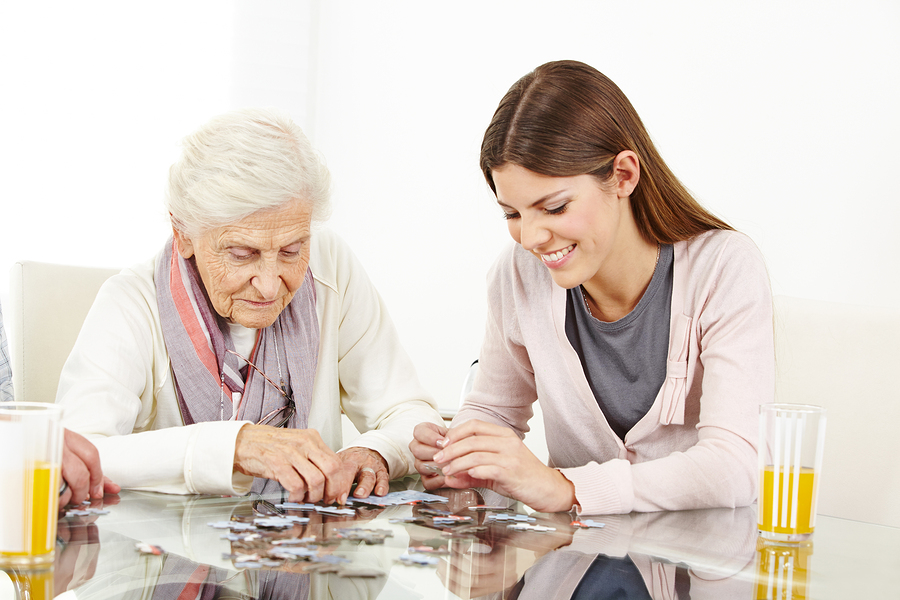
Supporting older adults in maintaining daily structure is essential for their health, safety, and overall well-being. As people age, memory lapses and changes in routine can lead to missed medications, skipped meals, or forgotten appointments. Elderly routine reminders play a crucial role in helping seniors stay on track, promoting independence while reducing stress for both individuals and their caregivers.
Whether you are a family member, a professional caregiver, or someone seeking to improve your own daily habits, understanding how to implement effective reminders can make a significant difference. In this article, we’ll explore practical strategies, tools, and tips for establishing consistent routines, and highlight resources that can further enhance daily living for seniors.
For those interested in tracking specific aspects of daily care, such as hygiene or fall prevention, resources like senior bathing routine tracking can complement the use of reminders and help ensure nothing is overlooked.
Why Consistent Daily Reminders Matter for Seniors
Aging often brings changes in memory, attention, and physical ability. These changes can make it harder for older adults to remember important tasks, leading to missed medications, irregular meals, or skipped hygiene routines. Routine reminders for seniors help reinforce structure, reduce anxiety, and support independence.
- Medication adherence: Timely reminders ensure that prescriptions are taken as directed, reducing health risks.
- Nutrition and hydration: Prompting regular meals and water intake helps maintain energy and prevent dehydration.
- Personal hygiene: Reminders for bathing, brushing teeth, and grooming support dignity and health.
- Appointments and activities: Staying on schedule with medical visits and social events enhances quality of life.
Establishing a predictable routine also benefits caregivers, making it easier to coordinate care and monitor changes in behavior or health.
Types of Elderly Routine Reminders
There are several ways to help seniors remember their daily tasks. The best approach often combines technology with traditional methods, tailored to the individual’s preferences and abilities.
Visual and Written Cues
Simple visual aids can be highly effective, especially for those who prefer tangible reminders. Examples include:
- Wall calendars: Mark important dates and daily routines in large, easy-to-read print.
- Whiteboards or sticky notes: Place reminders in visible locations, such as the bathroom mirror or refrigerator.
- Checklists: Daily or weekly checklists can help track completed tasks and reinforce consistency.
For those living with dementia, using a calendar to help keep track of dates as dementia progresses can provide reassurance and reduce confusion.
Digital Tools and Devices
Technology offers a range of solutions for elderly routine reminders, from basic alarms to sophisticated wearable devices:
- Smartphones and tablets: Built-in alarm and reminder apps can prompt medication times, appointments, and more.
- Voice assistants: Devices like Amazon Alexa or Google Home can announce reminders aloud at set times.
- Wearable devices: Smart watches designed for seniors can vibrate or display notifications for important tasks.
- Specialized reminder clocks: Large-display clocks with customizable messages are ideal for those with vision or cognitive challenges.
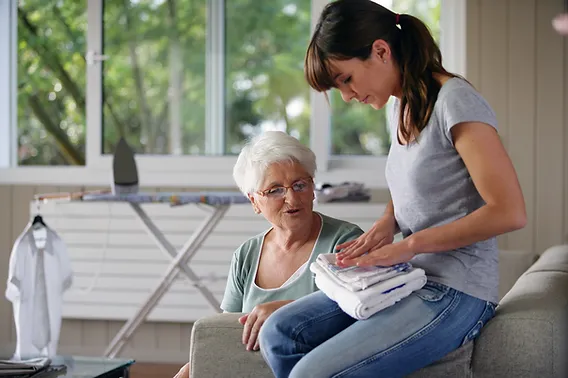
Caregiver Support and Verbal Prompts
Human interaction remains invaluable. Family members, friends, or professional caregivers can offer gentle verbal reminders throughout the day. This approach is especially helpful for those who may not respond well to technology or written notes.
Combining personal reminders with digital or visual cues can reinforce routines and provide a sense of security.
Building Effective Habits with Routine Reminders
Creating a successful system for daily reminders involves more than just setting alarms. Here are some practical steps to help seniors build and maintain healthy habits:
- Personalize the routine: Tailor reminders to the individual’s schedule, preferences, and cognitive abilities.
- Keep it simple: Avoid overwhelming the person with too many prompts at once. Focus on the most important tasks.
- Be consistent: Use the same method and timing for reminders each day to establish familiarity.
- Encourage participation: Involve the senior in creating their routine, which can boost motivation and memory retention.
- Monitor and adjust: Regularly review the system to ensure it remains effective, making changes as needed.
For those interested in tracking other aspects of wellness, such as senior mental wellness tracking, integrating these tools with daily reminders can provide a holistic approach to care.
Integrating Reminders into Personal Care and Safety
Reminders can be especially valuable in supporting personal hygiene and safety routines. For example, prompts for bathing, brushing teeth, or taking medications at set times help maintain health and prevent complications.

In addition to reminders, using resources like a senior personal hygiene tracking checklist can help monitor progress and ensure all aspects of care are addressed.
For safety, reminders to use mobility aids, check for hazards, or perform regular movement can help prevent falls. Those interested in more comprehensive solutions may benefit from exploring senior fall prevention tracking and related guides.
Tips for Caregivers: Making Reminders Work
Caregivers play a key role in supporting seniors with daily reminders. Here are some tips to maximize effectiveness:
- Stay patient and positive: Gentle encouragement is more effective than criticism or frustration.
- Use multiple methods: Combine visual, verbal, and digital cues for best results.
- Respect independence: Allow the senior to complete tasks on their own whenever possible, stepping in only when needed.
- Communicate clearly: Use simple language and repeat reminders as necessary.
- Monitor for changes: Watch for signs that routines or reminders need to be adjusted, such as increased forgetfulness or resistance.
Adapting your approach as needs change is crucial. For example, if mobility becomes a concern, referencing an elderly fall prevention tracking guide alongside reminders can help maintain safety and confidence.
Frequently Asked Questions
What are the most effective types of reminders for seniors?
The most effective reminders depend on the individual’s preferences and abilities. Many older adults benefit from a combination of visual cues (like calendars and checklists), digital reminders (such as alarms or smart watches), and verbal prompts from caregivers. Personalizing the approach and keeping it consistent are key factors in success.
How can technology help with daily routines for older adults?
Technology can make daily routines easier to manage by providing timely alerts for medications, appointments, meals, and more. Devices like smartphones, tablets, and wearable smart watches can deliver reminders in various forms—sound, vibration, or on-screen notifications. Specialized clocks and voice assistants are also helpful for those with vision or cognitive challenges.
How do I encourage my loved one to use reminders without feeling patronized?
Involving your loved one in setting up their routine and choosing reminder methods can help them feel empowered rather than patronized. Focus on supporting independence and explain how reminders can make daily life easier. Use positive language and offer choices, so the senior feels respected and in control.