

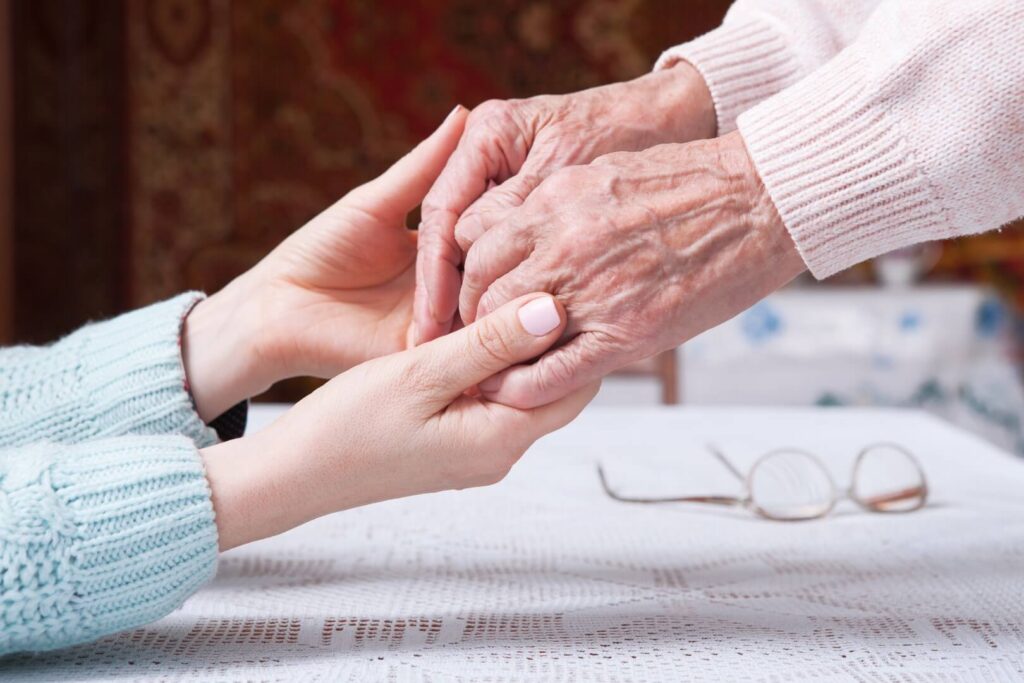
Staying socially active is essential for older adults, supporting both mental and physical health. As people age, maintaining connections and participating in group activities can become more challenging due to mobility issues, health concerns, or changes in living situations. That’s why elderly social activity tracking has become an important tool for caregivers, families, and seniors themselves. By monitoring participation in social events, group outings, and daily interactions, it’s possible to spot patterns, encourage engagement, and address isolation before it becomes a problem.
This guide explores practical ways to monitor and support social engagement for seniors. Whether you’re a caregiver, a family member, or an older adult looking to stay connected, you’ll find actionable advice and resources here. For those interested in related wellness topics, our senior mental wellness tracking article offers additional insights into supporting healthy aging.
Why Monitoring Social Engagement Matters for Seniors
Regular social interaction is linked to improved cognitive function, reduced risk of depression, and a higher quality of life for older adults. When seniors withdraw from social activities, it can be an early sign of health or emotional issues. By keeping track of social participation, caregivers and families can identify changes in behavior and intervene early.
- Prevents isolation: Tracking helps ensure that seniors aren’t spending too much time alone.
- Supports mental health: Social engagement is a key factor in maintaining emotional well-being.
- Encourages routine: Scheduled activities provide structure and purpose.
- Identifies trends: Noticing a decline in participation can prompt timely conversations and support.
For those also interested in safety, our senior fall prevention tracking resource outlines how to monitor and reduce fall risks alongside social activity.
Methods and Tools for Elderly Social Activity Tracking
There are several effective ways to monitor social involvement for older adults. The best approach depends on the individual’s preferences, abilities, and living situation. Here are some practical options:
Manual Tracking With Journals or Calendars
A simple paper calendar or daily journal can be used to record participation in group events, phone calls, visits, and hobbies. This method is accessible for those who prefer traditional tools or have limited experience with technology.
- Mark days with social activities
- Note the type of interaction (e.g., family visit, club meeting, video call)
- Review weekly or monthly to spot patterns
Digital Solutions and Wearables
Technology has made it easier to track daily routines and social engagement. Smart watches and activity trackers can monitor movement, location, and sometimes even prompt reminders for scheduled events. Some devices are designed specifically for seniors, offering easy-to-read displays and emergency features.

Digital logs can be shared with family or healthcare providers, making it easier to coordinate care. For those interested in maintaining other aspects of daily living, see our senior bathing routine tracking guide for additional tips.
Caregiver and Community Reports
In assisted living or community settings, staff often keep records of resident participation in group activities. These reports can be valuable for families who want to stay informed about their loved one’s social life. Regular communication with caregivers helps ensure that any changes in engagement are noticed and addressed promptly.
Best Practices for Supporting Social Involvement
Tracking is only part of the process. Encouraging and supporting social activity requires a proactive approach. Here are some strategies to help seniors stay connected:
- Personalize activities: Choose events that match the individual’s interests and abilities.
- Set realistic goals: Start with small, achievable steps, such as one group activity per week.
- Use reminders: Calendar alerts or gentle prompts can help seniors remember scheduled events.
- Celebrate participation: Acknowledge and praise efforts to stay engaged, no matter how small.
- Address barriers: Identify and resolve obstacles like transportation, mobility, or hearing issues.
For a comprehensive approach to daily well-being, our senior personal hygiene tracking checklist can complement social activity monitoring.

Integrating Social Activity Data With Other Wellness Metrics
Combining social participation records with other health and wellness data gives a fuller picture of a senior’s overall well-being. For example, tracking social engagement alongside physical activity, sleep, and nutrition can help caregivers and families identify patterns and make informed decisions.
If you’re interested in a holistic approach, consider reading our elderly fall prevention tracking guide, which covers another critical aspect of senior care.
Common Challenges and Solutions in Social Activity Monitoring
While keeping tabs on social involvement is beneficial, it’s not without challenges. Privacy concerns, resistance to change, and technology barriers can all play a role. Here are some practical solutions:
- Privacy and dignity: Always involve the senior in decisions about tracking and respect their preferences.
- Technology comfort: Choose tools that match the user’s comfort level, and provide training or support as needed.
- Consistency: Make tracking a routine part of daily or weekly check-ins, rather than an occasional task.
- Collaboration: Work with family, friends, and care staff to share responsibility and insights.
For more ideas on supporting seniors, the comprehensive checklist for taking care of elderly parents offers valuable tips and reminders for families.
FAQ: Elderly Social Activity Tracking
What are the main benefits of monitoring social activities for older adults?
Tracking social engagement helps prevent isolation, supports mental health, and allows caregivers to spot early signs of withdrawal or depression. It also encourages seniors to maintain a routine and stay involved in their communities.
How can technology help with tracking social participation?
Devices like smart watches and activity trackers can automatically log movement, prompt reminders for events, and share data with caregivers or family. These tools make it easier to monitor routines and ensure seniors are staying active.
What should I do if I notice a decline in social involvement?
If a senior is participating less in social activities, start by having an open conversation to understand any underlying issues. It may be helpful to consult with healthcare providers or community staff to address potential health, mobility, or emotional barriers.