


Ensuring the safety of individuals with Alzheimer’s is a growing concern, especially when it comes to preventing falls. Fall detection for Alzheimer’s patients has become an essential component in caregiving strategies. With the increasing prevalence of Alzheimer’s disease, understanding and implementing effective fall detection methods is crucial.
Falls are a significant risk for seniors and can lead to serious injuries. This risk is even higher for those with Alzheimer’s due to cognitive impairments that affect balance and awareness. Implementing reliable fall detection devices can greatly enhance safety.
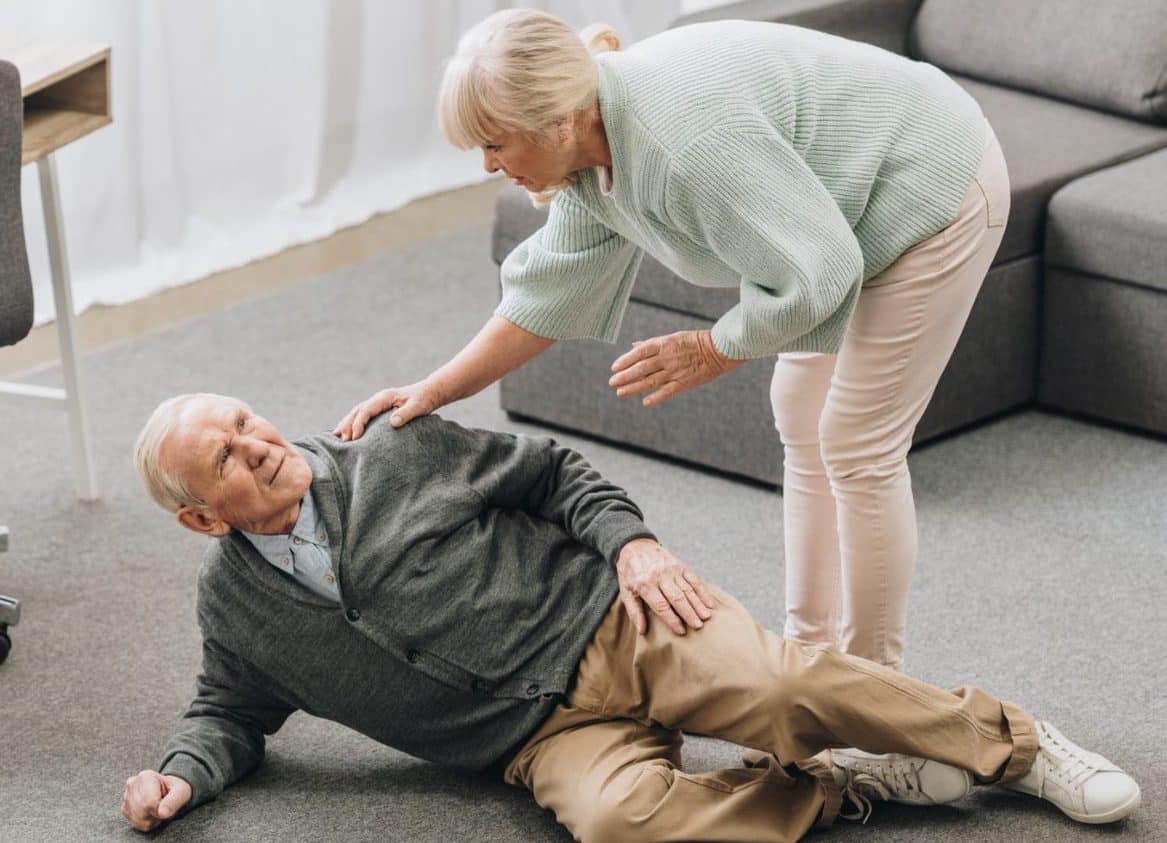
Why Fall Detection is Crucial for Alzheimer’s Patients
Alzheimer’s patients often struggle with memory and perception, making them more susceptible to falls. Fall detection technology not only helps in quick response but also provides peace of mind for caregivers.
Understanding the Risks
The risk of falls increases with age, and for Alzheimer’s patients, this risk is compounded by their cognitive challenges. They may forget to use walking aids or ignore environmental hazards, leading to falls. According to the CDC, falls are a leading cause of injury among seniors, making prevention critical.
How Technology Aids in Fall Detection
Modern technology offers various solutions to detect falls and alert caregivers immediately. These include wearable devices, like smartwatches, which can detect sudden movements and send alerts. Non-wearable systems are also available, which use sensors placed around the home to monitor activity.
Wearable Devices
Wearables are a popular choice for fall detection. They offer mobility and constant monitoring. Devices such as smartwatches can track movements and even detect irregularities that might indicate a fall. For more information on choosing the right device, visit non-wearable fall systems.
Non-Wearable Systems
These systems use sensors installed in strategic locations within the home. They provide a passive way to monitor movements and are ideal for those who may forget to wear a device. Learn more about these systems at impact of falls.
Implementing Fall Prevention Strategies
Alongside technology, implementing strategies to reduce fall risks is essential. This includes home modifications, physical exercises to improve balance, and regular health check-ups.
Home Environment Modifications
Making small changes around the home can significantly reduce fall risks. This includes installing grab bars, improving lighting, and removing tripping hazards.
Exercise and Physical Therapy
Encouraging regular physical activity can improve strength and balance, reducing the likelihood of falls. Exercises should be tailored to the individual’s abilities, focusing on balance and coordination.
Community and Caregiver Support
Support from the community and caregivers is invaluable. Educating caregivers on fall risks and detection technologies ensures they are equipped to provide the best care.
Training for Caregivers
Providing caregivers with training on the use of fall detection devices and emergency response can enhance care quality. Resources such as the Fall Prevention Brochure offer detailed guidelines.
Community Resources
Local community centers often provide programs aimed at fall prevention. These include exercise classes and home safety assessments.
Conclusion: Enhancing Safety for Alzheimer’s Patients
Integrating technology and proactive strategies is key to enhancing the safety of Alzheimer’s patients. By understanding the risks and implementing effective fall detection methods, we can significantly reduce the occurrence of falls and improve the quality of life for these individuals.
FAQ
What is the best fall detection device for Alzheimer’s patients?
There are various devices available, each with its features. It is important to consider the patient’s specific needs and lifestyle when choosing a device.
How do fall detection systems work?
These systems use sensors to detect unusual movements and send alerts to caregivers or emergency services.
Can fall detection systems integrate with other health monitoring devices?
Yes, many fall detection systems can integrate with other health monitoring devices, providing a comprehensive health management solution.
This article contains affiliate links. We may earn a commission at no extra cost to you.