

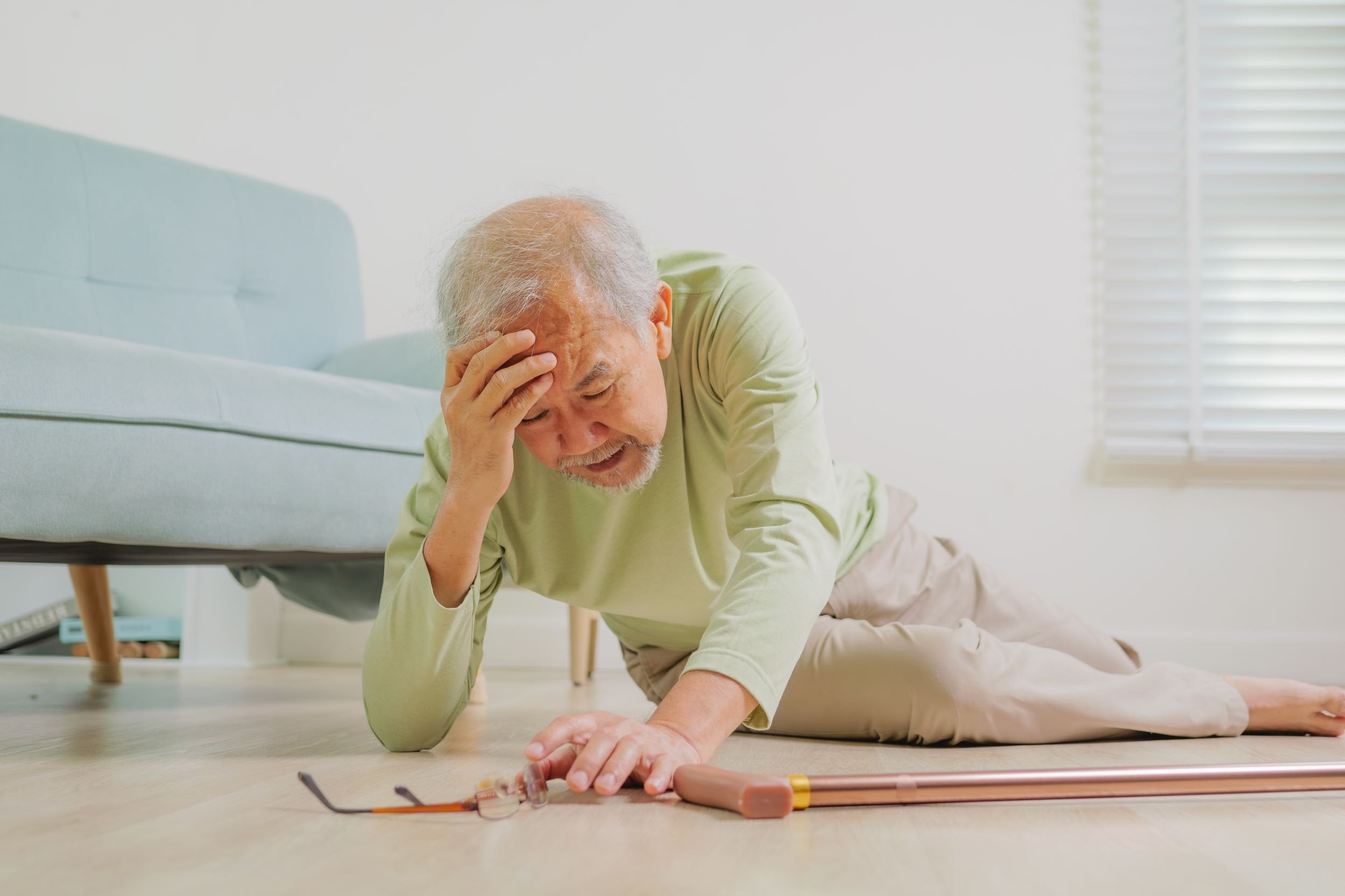
Ensuring the safety of our elderly population in nursing homes is a crucial aspect of elder care. Fall prevention in nursing homes is a vital component in protecting residents from potential injuries that can drastically affect their quality of life. By understanding the common causes of falls, implementing preventive measures, and fostering an environment of safety, nursing homes can significantly reduce the risk of falls among their residents.
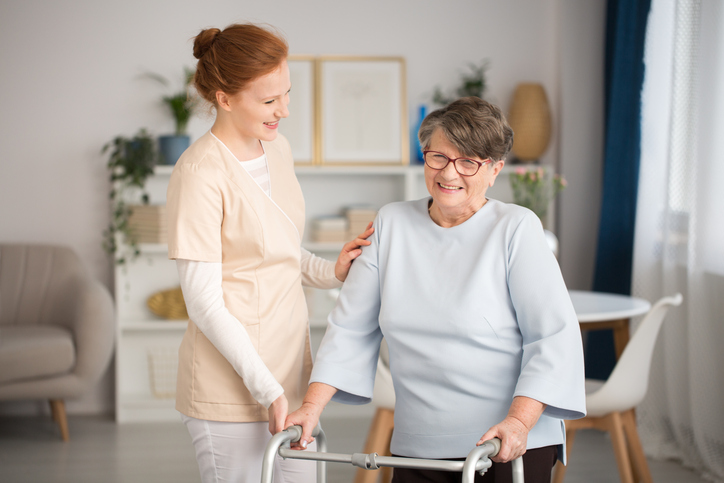
Understanding the Importance of Fall Prevention
Falls are a leading cause of injury among the elderly, often resulting in serious outcomes such as fractures, hospitalizations, and in some cases, even death. In nursing homes, where residents may already have limited mobility or cognitive impairments, the need for fall prevention becomes even more critical. Preventing falls not only safeguards the physical health of residents but also enhances their confidence and independence.
Common Causes of Falls in Nursing Homes
Understanding the root causes of falls is the first step in prevention. Some common factors contributing to falls in nursing homes include:
- Environmental Hazards: Cluttered walkways, poor lighting, and slippery floors can create dangerous environments for residents.
- Medication Side Effects: Certain medications can cause dizziness or drowsiness, increasing the risk of falls.
- Mobility Issues: Weakness, balance disorders, and other physical limitations can make it difficult for residents to move safely.
- Cognitive Impairments: Conditions like dementia can lead to disorientation and increased fall risk.
Implementing Effective Fall Prevention Strategies
Implementing comprehensive strategies in nursing homes can significantly reduce the incidence of falls. Here are some key approaches:
Regular Risk Assessments
Conducting regular assessments of residents’ fall risk is essential. This includes evaluating their physical abilities, reviewing medications, and identifying potential environmental hazards. For more in-depth information on assessing fall risks, visit Recognize Fall Risk.
Enhancing the Physical Environment
Simple modifications can make a significant difference. Installing grab bars, ensuring proper lighting, and maintaining clear walkways are effective ways to reduce environmental hazards.
Personalized Exercise Programs
Exercise programs tailored to residents’ abilities can help improve strength, balance, and coordination, reducing the risk of falls. Learn more about the benefits of exercise in fall prevention by visiting Fall Prevention Tips.
Medication Management
Regularly reviewing and managing medications can help mitigate side effects that contribute to falls. Consulting with healthcare providers to adjust dosages or switch medications can be beneficial.
The Role of Caregivers in Fall Prevention
Caregivers play a pivotal role in fall prevention. Their daily interactions with residents allow them to identify changes in behavior or physical condition that may increase fall risk. Caregivers should be trained to recognize these signs and take appropriate action.
Communication and Education
Educating residents about fall risks and prevention strategies promotes their active participation in maintaining their safety. Clear communication between caregivers, residents, and families is vital in developing effective prevention plans.
Utilizing Technology for Fall Detection
Advancements in technology offer innovative solutions for fall detection and prevention. Devices such as wearable sensors and alert systems can provide real-time monitoring and immediate response in case of falls. For more on the latest fall detection devices, visit Fall Detection Devices.
Creating a Culture of Safety
A culture of safety within nursing homes is essential to preventing falls. This involves fostering an environment where staff, residents, and families work collaboratively to prioritize safety and address potential risks promptly.
Regular Training and Development
Ongoing training for staff on fall prevention techniques and strategies ensures they are equipped to handle emergencies and implement preventive measures effectively.
Encouraging Resident Participation
Empowering residents to take an active role in their safety can make a significant impact. Encouraging them to report hazards and participate in exercise programs enhances their sense of control and well-being.
The Impact of Fall Prevention on Quality of Life
Effective fall prevention strategies have a profound impact on the quality of life for nursing home residents. By reducing the incidence of falls, residents experience increased mobility, confidence, and independence, leading to a more fulfilling and enjoyable life.
Reducing Caregiver Stress
Fall prevention also alleviates stress among caregivers, enabling them to focus on providing quality care without the constant worry of fall-related incidents. For more insights on managing caregiver stress, visit Caregiver Stress.
Promoting Independence
By prioritizing fall prevention, nursing homes empower residents to maintain their independence and engage in daily activities with confidence, enhancing their overall well-being.
Conclusion
Fall prevention in nursing homes is a multifaceted approach that requires collaboration, dedication, and vigilance. By understanding the causes of falls, implementing effective strategies, and fostering a culture of safety, nursing homes can significantly reduce the risk of falls and improve the quality of life for their residents. Through continuous education, technology integration, and personalized care, we can create a safer environment for our elderly population.
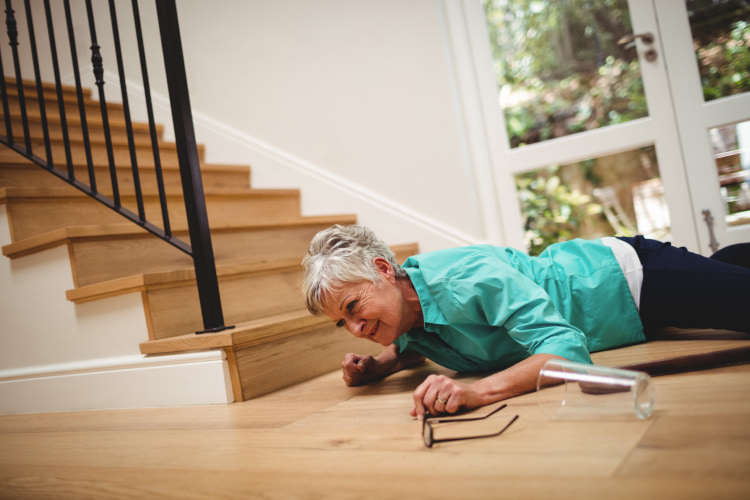
FAQ
What are the common causes of falls in nursing homes?
Common causes include environmental hazards, medication side effects, mobility issues, and cognitive impairments.
How can caregivers help in fall prevention?
Caregivers can help by conducting risk assessments, managing medications, and utilizing technology for fall detection.
What role does exercise play in fall prevention?
Exercise improves strength, balance, and coordination, which are crucial in reducing the risk of falls among nursing home residents.
This article contains affiliate links. We may earn a commission at no extra cost to you.