

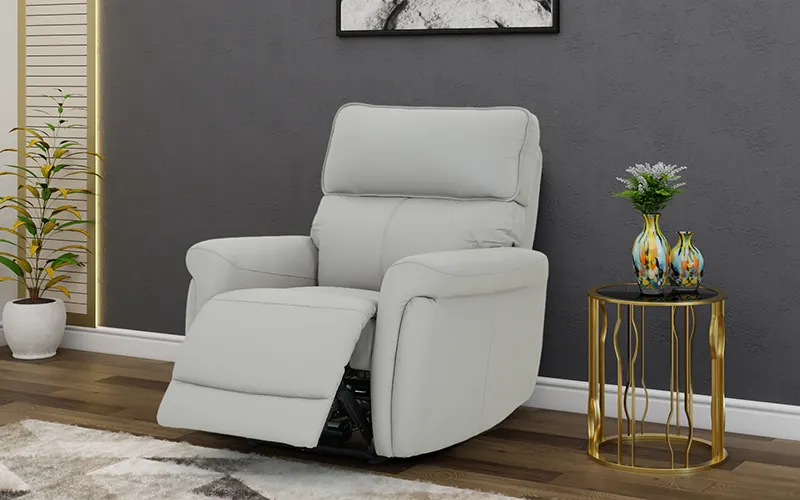
Finding the right recliner for someone living with Parkinson’s disease can make a significant difference in their daily comfort, safety, and independence. The process involves more than just picking a comfortable chair—there are unique mobility, stability, and support needs to consider. Understanding how to choose a recliner for a person with Parkinson’s is essential for caregivers and families aiming to improve quality of life at home.
Parkinson’s disease often brings challenges such as muscle stiffness, tremors, and difficulty with movement. These symptoms can make it hard to get in and out of standard chairs, maintain a comfortable sitting position, or operate complex controls. The right recliner can help by offering tailored support, easy-to-use features, and enhanced safety.
Before diving into specific recliner features, it’s helpful to explore other supportive technology for seniors. For example, voice controlled tablets can empower those with limited mobility to stay connected and entertained with minimal effort. Pairing the right recliner with accessible devices can further enhance independence and comfort at home.
Key Considerations When Selecting a Recliner for Parkinson’s
Choosing a supportive chair for someone with Parkinson’s involves evaluating several factors. Here are the most important aspects to keep in mind:
- Ease of Use: Controls should be simple, intuitive, and within easy reach. Complicated buttons or levers can be difficult for those with tremors or limited dexterity.
- Stability and Safety: The chair should be sturdy, with a solid base that won’t tip or slide. Anti-slip feet and a wide footprint help prevent accidents.
- Support and Comfort: Look for adequate lumbar and neck support, as well as cushioning that relieves pressure points. Adjustable headrests and armrests can add to comfort.
- Assistance with Standing: Lift-assist or power lift recliners gently raise the user to a standing position, reducing strain on muscles and joints.
- Material and Cleanability: Easy-to-clean upholstery is important, especially if spills or incontinence are concerns. Breathable fabrics can help with temperature regulation.
Understanding Different Types of Recliners
There are several types of recliners available, each with unique benefits. When considering how to choose a recliner for a person with Parkinson’s, it’s important to match the chair’s features to the individual’s needs and symptoms.
- Manual Recliners: These require physical effort to adjust. They may not be ideal for those with significant mobility challenges or muscle weakness.
- Power Recliners: Operated by a remote or simple buttons, these allow users to change positions with minimal effort. Some models offer infinite positioning for customized comfort.
- Lift Chairs: Designed specifically for people who have difficulty standing up, lift chairs gently tilt forward to help users transition from sitting to standing safely.
)
Essential Features to Look For
When narrowing down your options, focus on features that address the specific challenges faced by those with Parkinson’s. Here are some must-have elements:
- Lift Mechanism: Power lift functionality is especially helpful for those with muscle weakness or balance issues. It allows the user to stand up with minimal effort and reduces the risk of falls.
- Large, Simple Controls: Oversized buttons or a straightforward remote make it easier for users with tremors or limited hand strength to operate the recliner independently.
- Sturdy Armrests: Firm, well-padded armrests provide leverage when sitting or standing, and offer extra support for stability.
- Reclining Range: Infinite or multi-position recliners allow users to find the most comfortable angle for rest, reading, or watching TV.
- Adjustable Head and Lumbar Support: Customizable support helps relieve muscle tension and maintain proper posture.
- Easy-to-Clean Upholstery: Leather, faux leather, or treated fabrics are practical choices for long-term care and maintenance.
For more insights on the benefits of reclining chairs for seniors, including health and comfort advantages, see this comprehensive resource.
Safety and Accessibility Tips
Safety is a top priority when selecting any furniture for someone with mobility challenges. Here are some practical tips to ensure the recliner is as safe and accessible as possible:
- Place the chair on a flat, non-slip surface to prevent movement.
- Ensure there is enough space around the recliner for easy entry and exit, as well as for caregivers to assist if needed.
- Test the controls and lift mechanism before purchase to confirm they are easy to use and responsive.
- Consider models with battery backup in case of power outages, so the user isn’t left stranded in a reclined or lifted position.
- Check that the chair’s height matches the user’s needs—feet should rest flat on the floor when seated, and the seat should not be too deep or high.
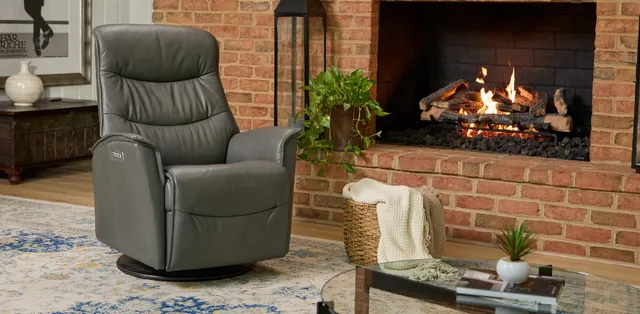
Additional Tips for Caregivers and Families
Beyond the chair itself, there are other ways to support someone with Parkinson’s at home. Consider these suggestions:
- Arrange the living space so that the recliner is easily accessible and close to other frequently used items, such as a phone or reading materials.
- Pair the recliner with a small side table for drinks, medication, or remotes.
- Encourage regular movement and stretching, as sitting for long periods can increase stiffness.
- Explore other helpful devices, like easy to use smartphones for seniors, to further enhance independence and communication.
Frequently Asked Questions
What type of recliner is best for someone with Parkinson’s disease?
A power lift recliner is often the best choice, as it assists users in standing up and sitting down safely. Look for models with simple controls, sturdy construction, and adjustable support features.
Are manual recliners suitable for people with Parkinson’s?
Manual recliners can be difficult to operate for those with muscle weakness, tremors, or limited mobility. Power-operated chairs are generally safer and more user-friendly for people with Parkinson’s disease.
How do I ensure the recliner is safe for daily use?
Choose a chair with a stable base, anti-slip feet, and easy-to-use controls. Place it on a flat surface and ensure there’s enough space around it for movement. Test the lift and reclining functions before regular use, and consider a model with battery backup for added safety.
What other features should I consider for comfort?
Look for adjustable lumbar and head support, breathable and easy-to-clean upholstery, and armrests that provide good leverage. Infinite positioning and memory settings can also enhance comfort for daily use.
Investing in a thoughtfully chosen recliner can greatly improve comfort, safety, and independence for someone living with Parkinson’s. By focusing on the needs outlined above, families and caregivers can make an informed decision that supports both well-being and peace of mind.