

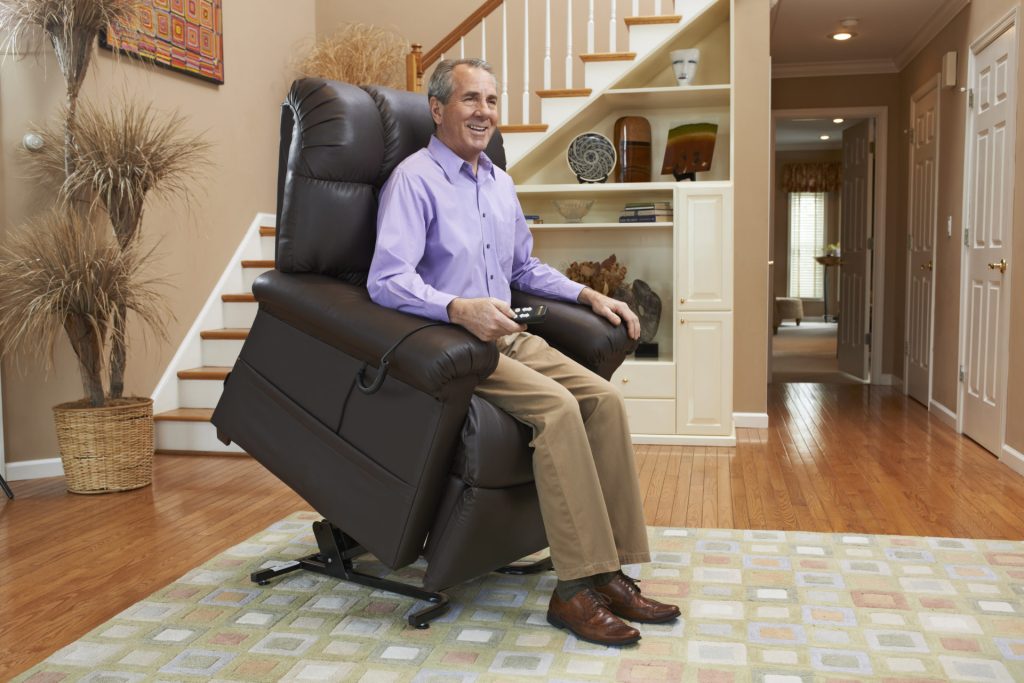
Finding a comfortable and secure recliner is essential, especially for those who prioritize safety and long-term durability. The right chair can make daily relaxation safer and more enjoyable, but not all recliners are created equal. Understanding how to choose a recliner with a sturdy frame helps prevent accidents, supports mobility, and ensures your investment lasts for years.
Whether you’re shopping for yourself, a loved one, or a senior family member, it’s important to look beyond just the fabric and cushioning. The internal structure of the chair is what determines its true strength and reliability. In this article, we’ll break down what to look for in a robust recliner, how to assess frame quality, and which features contribute most to safety and peace of mind.
For those interested in other supportive technology for seniors, you may also want to explore voice controlled tablets that make daily tasks easier and more accessible.
Why Frame Strength Matters in Recliners
The frame is the foundation of any recliner. A weak or poorly constructed frame can lead to wobbly seating, unexpected collapses, or even injuries. For seniors or anyone with mobility concerns, a solid frame is non-negotiable. It not only supports body weight but also withstands the repeated motion of reclining and returning upright.
When considering how to choose a recliner with a sturdy frame, keep in mind that the frame’s material, design, and assembly quality all play a role in its strength. A reliable chair should feel stable in every position and show no signs of flexing or creaking when you sit or stand up.
Key Materials for a Durable Recliner Frame
Frame material is the first indicator of a chair’s potential lifespan and safety. Here are the most common options:
- Solid Hardwood: The gold standard for strength and longevity. Hardwoods like oak, maple, or birch are dense, resist warping, and handle weight well. Look for recliners that specify kiln-dried hardwood frames.
- Plywood: High-quality, multi-layered plywood can be strong if it’s thick and properly constructed. However, avoid recliners made with thin or low-grade plywood, as these are prone to bending and breaking.
- Metal: Steel or reinforced metal frames are often found in power recliners and lift chairs. These provide excellent support, especially for heavier users or those who need extra stability.
- Particleboard or MDF: These materials are less expensive but far less durable. Recliners made with these should be avoided if safety and longevity are priorities.

Construction Details That Impact Safety
Beyond materials, the way a recliner is built determines its real-world performance. Here’s what to look for:
- Joints and Fasteners: Strong recliners use dowels, screws, and corner blocks at stress points. Avoid models held together only by staples or glue.
- Reinforced Corners: Extra bracing in the corners of the seat and back adds stability and prevents wobbling.
- Welded Metal Parts: In metal frames, look for continuous welds rather than spot welding, which can weaken over time.
- Weight Capacity: Always check the manufacturer’s listed weight limit. A higher capacity often signals a stronger frame.
It’s also wise to test the chair in person if possible. Sit, recline, and return upright several times. The chair should remain stable, with no shifting, squeaking, or visible movement in the frame.
Features That Enhance Recliner Safety
While a sturdy frame is critical, other features can further improve safety and comfort:
- Anti-Tip Design: Some recliners have a wider base or anti-tip feet to prevent accidents, especially for those with balance issues.
- Lift Mechanism: Lift chairs gently raise the user to a standing position, reducing strain and fall risk. These often have reinforced frames to handle the extra stress.
- Locking Recline Positions: The ability to lock the chair in various positions adds security, so the recliner doesn’t move unexpectedly.
- Non-Slip Feet: Rubber or gripped feet keep the chair from sliding on smooth floors.
For more insights on the pros and cons of different recliner types for older adults, see this detailed guide to recliner chairs for elderly people.

Evaluating Recliner Quality Before Purchase
It’s not always easy to judge a recliner’s build quality by appearance alone. Here are practical steps to ensure you’re selecting a chair with a robust frame:
- Request Specifications: Ask the retailer or manufacturer for details about the frame material, construction methods, and weight capacity.
- Read Reviews: Look for feedback mentioning long-term durability, stability, and any issues with frame failure.
- Check Warranty: A longer frame warranty (5 years or more) usually signals the manufacturer’s confidence in their product.
- Test in Store: If possible, visit a showroom. Sit in the chair, shift your weight, and try all functions. The recliner should feel solid and supportive at every angle.
- Inspect Underside: If allowed, look underneath the chair for visible reinforcements, thick wood or metal, and secure fasteners.
Additional Tips for Choosing a Safe Recliner
Beyond the frame, consider these factors to maximize comfort and safety:
- Seat Height: Choose a seat height that allows your feet to rest flat on the floor, making it easier to stand up safely.
- Armrest Support: Sturdy, well-padded armrests provide extra leverage when sitting or rising.
- Easy-to-Use Controls: For power recliners, make sure the remote or buttons are simple and within reach.
- Upholstery: Durable, easy-clean fabrics add to the chair’s longevity and hygiene.
If you’re also interested in other accessible technology, check out easy to use smartphones for seniors for more ways to support independent living.
FAQ
What Is the Best Frame Material for a Safe Recliner?
Solid hardwood and reinforced steel are considered the best materials for a strong, durable recliner frame. These materials provide excellent support, resist warping, and handle daily use well. Avoid particleboard or MDF, as they are less reliable over time.
How Can I Tell If a Recliner Frame Is Sturdy?
Check for details like thick, kiln-dried hardwood or heavy-gauge steel, reinforced joints with screws and corner blocks, and a high weight capacity. Test the chair by sitting and moving in it—there should be no wobbling, creaking, or visible flexing.
Are Power Recliners Safer Than Manual Recliners?
Power recliners, especially lift chairs, often have reinforced frames and anti-tip features, making them a safe choice for those with mobility issues. However, the key is to ensure any recliner—manual or powered—has a solid, well-constructed frame and meets your specific safety needs.
Conclusion
Choosing a recliner with a reliable frame is one of the most important steps for ensuring safety and comfort at home. Focus on high-quality materials, solid construction, and features that support your needs. By following these guidelines, you can confidently select a chair that offers both relaxation and peace of mind for years to come.