


As our loved ones age, ensuring their well-being becomes paramount. Among the numerous health facets, mental health in the elderly often requires special attention. **How to improve mental health in the elderly** is a question many caregivers ponder, given its profound impact on overall quality of life.
Paying attention to mental health is not just about addressing negative conditions but also about enhancing happiness, purpose, and satisfaction in the golden years. In this article, we explore various strategies, backed by research and expert opinion, to bolster the mental health of our senior population.
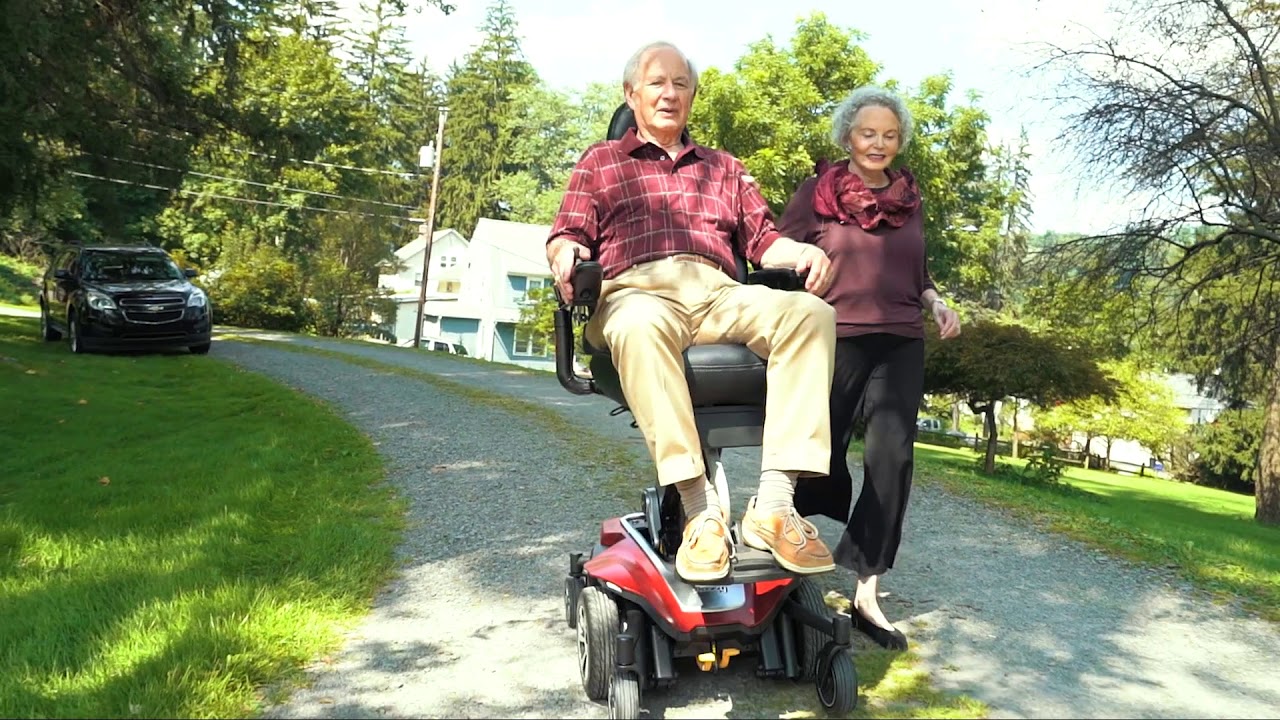
Understanding Mental Health in the Elderly
Elderly individuals may face unique challenges such as social isolation, cognitive decline, and chronic physical illnesses. It’s essential to understand that mental health encompasses emotional, psychological, and social well-being and these aspects can be interconnected.
The Importance of Mental Health Care
Without adequate mental health care, elderly individuals can experience significant declines in their overall health. Effective management can reduce symptoms of depression, anxiety, and improve overall mental functioning.
Factors Affecting Mental Health in the Elderly
- Chronic illnesses
- Mobility limitations
- Loss of loved ones
- Changes in living situations, like moving to assisted living
Role of Social Connections
Maintaining healthy social connections can dramatically improve mental health. Regular contact, whether in person or through digital means, can help alleviate loneliness.
Strategies for Improving Mental Health
Encourage Active Lifestyle
Physical activities, such as walking or yoga, can improve mental health by releasing endorphins and other mood-enhancing chemicals.
Engage in Cognitive Activities
Challenge the brain with puzzles, memory games, or learning new skills like drawing or playing an instrument to keep the mind sharp.
Nutritional Impact
A balanced diet, rich in essential vitamins and minerals, supports both physical and mental health.
Regular Health Check-Ups
Timely medical appointments can help detect and manage underlying health issues that might affect mental health. For more insights on senior health, you might find this diaper rash solution helpful.
Creating a Supportive Environment
Manage Stress
Teach relaxation techniques like meditation or deep breathing exercises to help manage stress.
Home Safety and Comfort
Ensure that the home environment is safe and comfortable. Modifying living spaces can also enhance mental well-being.
Therapeutic Interventions
Counseling and therapy can positively impact seniors by providing them space to express feelings and process changes.
The Role of Caregivers
Education and Training
Caregivers should be equipped with tools and information to provide the best mental health support possible.
For tips on elderly care, refer to Georgetown Homecare.
Understanding Common Conditions
Conditions like depression, anxiety, and dementia can impact seniors significantly. It’s important to understand these conditions and their management.
Identifying Symptoms
Timely identification of symptoms can lead to prompt treatment. Symptoms may include changes in sleep, appetite, and energy levels.
Mental Health Exercises
Purposeful breathing, gratitude lists, and positive affirmations can be powerful tools for improving mental health.
Community Resources
Senior Centers and Social Groups
These resources provide excellent opportunities for socializing and staying active within a supportive community.
Online Resources and Forums
The digital age brings opportunities to connect with others experiencing similar circumstances, offering a platform for support and advice.
Conclusion
Improving mental health in elderly individuals requires a multi-faceted approach. From physical activity and nutrition to mental stimulation and social interaction, each plays a crucial role. With dedication and the right resources, we can greatly enhance the quality of life for our seniors.

Frequently Asked Questions
What are some early signs of decline in mental health in elderly individuals?
Early signs may include forgetfulness, mood swings, withdrawal from social activities, or confusion. It’s important to consult healthcare professionals for an accurate diagnosis.
How can caregivers support mental health in seniors?
Caregivers can offer emotional support, encourage social interaction, ensure regular medical checkups, and facilitate recreational activities.
Are there specific foods known to boost mental health in the elderly?
A diet rich in fruits, vegetables, omega-3 fatty acids, and whole grains may support brain health and improve mood.
This article contains affiliate links. We may earn a commission at no extra cost to you.