

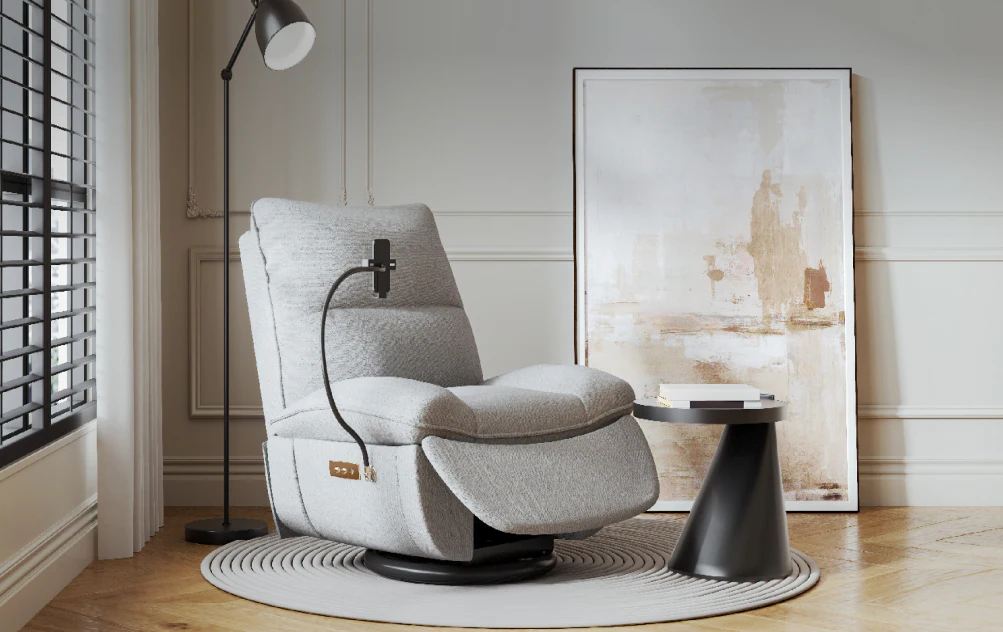
Finding the best way to arrange a recliner in a compact living space can be challenging. With limited square footage, every inch counts, and the placement of larger furniture like a recliner can make a significant difference in both comfort and functionality. Whether you’re furnishing a cozy apartment, a small den, or a bedroom, a well-thought-out layout ensures you enjoy the benefits of a recliner without sacrificing movement or style.
This article provides practical strategies for arranging a reclining chair in tight quarters, including tips for maximizing space, improving accessibility, and maintaining a balanced look. If you’re interested in learning about the what is a zero gravity recliner for seniors and its health benefits, you’ll find that certain recliner types are especially well-suited for small rooms.
Key Considerations for Recliner Placement in Tight Spaces
Before moving furniture, it’s important to assess your room’s layout and traffic flow. Start by measuring the available floor area and the recliner’s dimensions—both in its upright and fully reclined positions. This helps prevent blocking walkways or doors and ensures the chair can fully extend without bumping into other furniture.
- Measure Twice: Always check the width, depth, and reclined length of your chair.
- Allow for Movement: Leave enough space for foot traffic and easy access to other parts of the room.
- Consider Power Sources: If your recliner is electric, make sure it’s near an outlet or use a safe extension cord.
- Think About Lighting: Position the chair where you have good natural or task lighting for reading or relaxing.
For those interested in ergonomics, the impact of recliner seat depth on posture is another factor to keep in mind, especially in smaller rooms where seating options are limited.
Best Layout Ideas for Arranging a Recliner in a Compact Room
There are several effective strategies for integrating a reclining chair into a small living area. The following ideas can help you make the most of your space while maintaining comfort and style.
Corner Placement for Space Efficiency
Placing your recliner in a corner is one of the most efficient ways to utilize limited floor space. This arrangement keeps the chair out of main traffic paths and can create a cozy reading or TV nook. Make sure the back of the recliner isn’t flush against the wall—leave a few inches for the reclining mechanism to operate smoothly.
Floating Layouts for Flexibility
Instead of pushing all furniture against the walls, consider a floating layout. Position the recliner at an angle or slightly away from the wall to define a separate seating zone. This can help break up a boxy room and make the area feel more open. Use a small rug or side table to anchor the chair visually.
Pairing with Multi-Functional Furniture
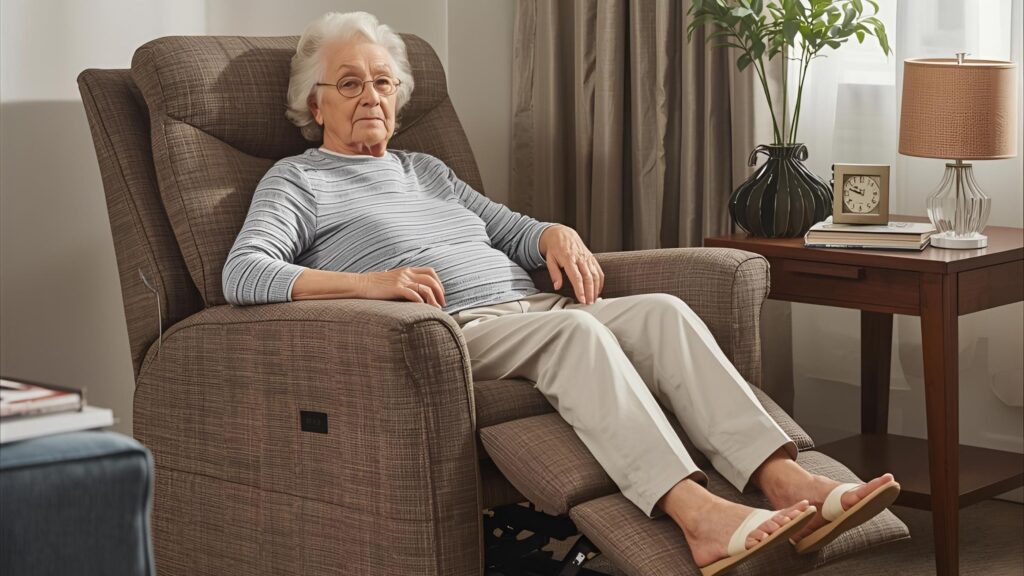
In a small room, every piece of furniture should earn its place. Pair your recliner with compact, multi-purpose items like a storage ottoman or a narrow side table. This approach maximizes utility without crowding the space.
Optimizing for Accessibility and Comfort
When arranging your recliner, consider who will use it most. For seniors or those with limited mobility, ensure the chair is easy to access from the main entrance and not blocked by other furniture. For more tips, see our guide on tips for using recliners with limited mobility.
Choosing the Right Recliner for Small Rooms
Not all recliners are created equal when it comes to compact spaces. Here are a few features to look for:
- Wall-Hugger Recliners: These models require less clearance from the wall, making them ideal for tight spots.
- Petite or Slimline Designs: Narrower frames and shorter seat depths take up less floor space.
- Manual vs. Power Recliners: Manual recliners often have a smaller footprint, but power models can offer more positioning options. Learn more about the benefits of electric lift recliners for those who need extra assistance.
- Infinite Position Recliners: These allow for precise adjustments, which can be especially helpful in small rooms. For more details, check out the benefits of infinite position recliners.
Tips for Maintaining Flow and Functionality
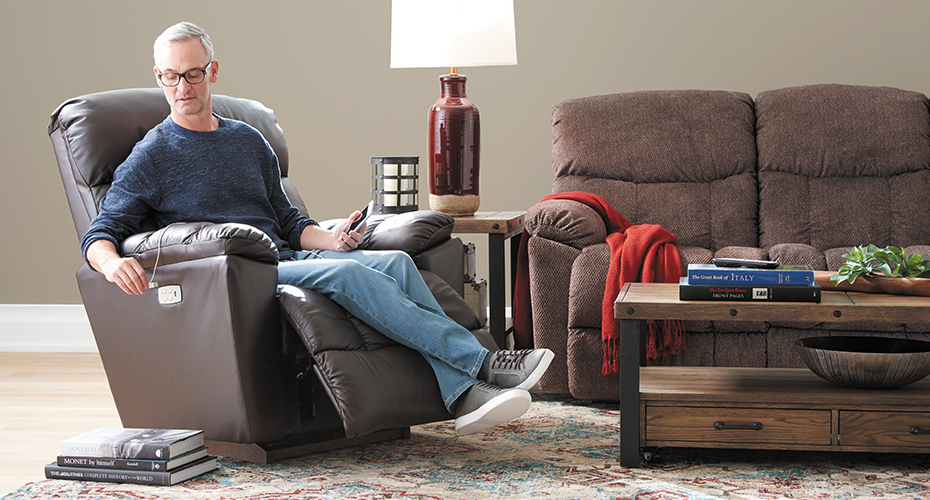
A successful room layout balances comfort with practicality. Here are some additional tips for keeping your space organized and inviting:
- Keep Pathways Clear: Avoid placing the recliner where it blocks doors, windows, or main walkways.
- Use Light Colors: Lighter upholstery and walls can make a small room feel more spacious.
- Declutter Regularly: Remove unnecessary items to prevent the space from feeling cramped.
- Rotate the Chair: Occasionally change the orientation of your recliner to refresh the room’s look and improve wear.
- Maintain Your Recliner: For smooth operation, see our advice on how to lubricate recliner mechanisms.
Frequently Asked Questions
How much space should I leave behind a recliner in a small room?
For traditional recliners, leave at least 12–18 inches between the back of the chair and the wall to allow for full extension. Wall-hugger models may need as little as 4–6 inches, making them a better fit for compact areas.
Can I place a recliner in front of a window?
Yes, as long as the recliner doesn’t block the window’s function or access. Consider the height of the chair’s back and whether it will interfere with opening or closing curtains and windows.
What type of recliner is best for small rooms?
Wall-hugger and slimline recliners are ideal for tight spaces. Look for models with a smaller footprint and features like infinite positioning for greater flexibility.
How can I make my small room look bigger with a recliner?
Choose a recliner in a light color, keep the surrounding area uncluttered, and use mirrors or vertical storage to create the illusion of more space.
Is it possible to use a power recliner in a small room?
Absolutely. Just ensure there’s an accessible power outlet nearby and that the chair’s movement won’t be obstructed by other furniture.