

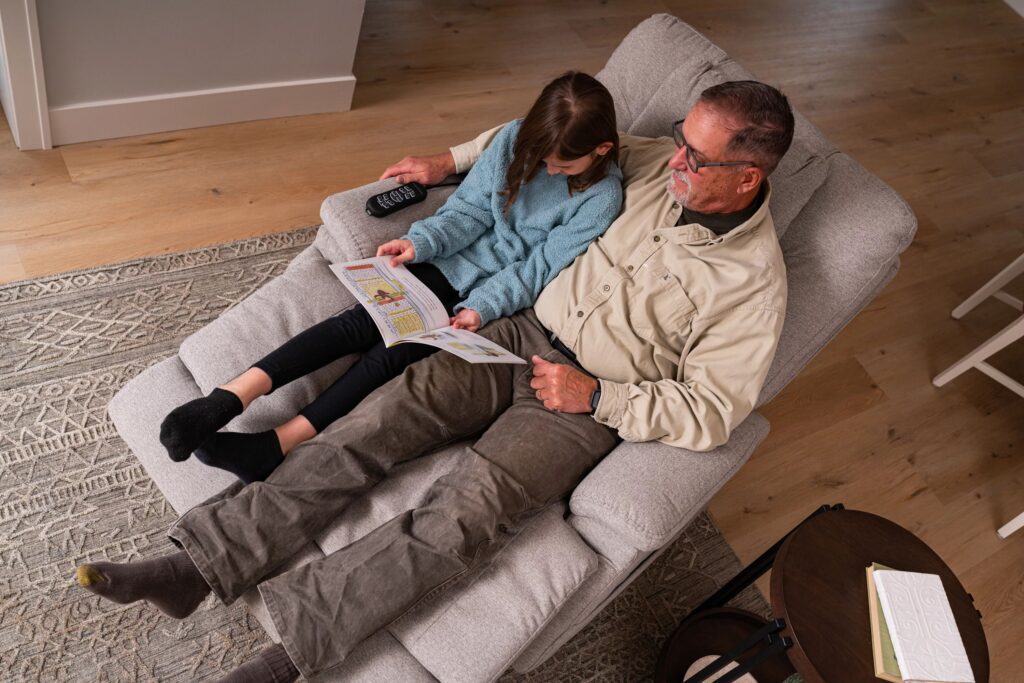
Many people find that sleeping in a recliner offers relief from discomfort, helps with certain medical conditions, or simply provides a cozy alternative to a traditional bed. Whether you’re recovering from surgery, managing chronic pain, or just seeking a more restful night, understanding how to use a recliner for sleeping can make a significant difference in your comfort and well-being.
Recliners are designed to support your body in a semi-upright position, which can reduce pressure on the back and joints, improve circulation, and even help with breathing issues. However, to get the most benefit and avoid potential problems, it’s important to choose the right chair, set it up correctly, and follow practical safety guidelines. For those interested in optimizing their seating for neck and back support, learning about the benefits of a high backrest for seniors can be especially helpful.
Choosing the Right Recliner for Restful Sleep
Not all recliners are equally suited for overnight use. When selecting a chair for sleeping, consider the following features to maximize both comfort and safety:
- Supportive Backrest: A high backrest provides essential neck and head support, reducing strain and promoting proper alignment.
- Adjustable Positions: Look for models that allow you to fine-tune the angle of recline, so you can find the most comfortable sleeping posture.
- Sturdy Construction: A stable base and solid frame are crucial for safety, especially if you plan to use the recliner frequently for rest.
- Easy-to-Use Controls: Power recliners are ideal for those with limited mobility, while manual options may suit others. For a detailed comparison, see this guide to manual vs. power riser recliners.
- Breathable Upholstery: Choose fabrics that help regulate temperature and wick away moisture for a more pleasant sleeping experience.
If your recliner squeaks or feels unstable, addressing these issues before sleeping is important. You can find practical advice on how to fix a squeaky recliner chair to ensure a quiet and secure rest.
Setting Up Your Recliner for a Comfortable Night
Preparing your chair for sleep involves more than just leaning back. Follow these steps to create a restful and safe environment:
- Adjust the Recline Angle: Find a position that supports your back and legs without causing discomfort. A semi-reclined angle (about 120–140 degrees) is often ideal for most people.
- Add Pillows and Blankets: Use a lumbar pillow to support your lower back, and place a small cushion under your knees to relieve pressure. A lightweight blanket can help regulate your temperature throughout the night.
- Clear the Area: Make sure the space around your recliner is free from tripping hazards, especially if you may need to get up during the night.
- Keep Essentials Nearby: Place a water bottle, phone, or medications within arm’s reach to avoid unnecessary movement.
- Protect Your Floors: If your chair is heavy or moves frequently, consider learning how to protect floors from heavy recliners to prevent scratches or damage.

Safety Considerations When Sleeping in a Recliner
While reclining chairs can be a safe and comfortable option for sleep, it’s important to be aware of potential risks and how to minimize them:
- Prevent Falls: Make sure the chair is on a flat, stable surface. If you use a lift chair, double-check that the mechanism is functioning properly before resting.
- Monitor Circulation: Prolonged pressure on certain areas can reduce blood flow. Shift positions occasionally and use cushions to relieve pressure points.
- Watch for Numbness: If you notice tingling or numbness in your legs or arms, adjust your position or take a short walk.
- Use the Footrest Safely: Always return the footrest to its original position before standing up to avoid tripping.
- Check for Obstructions: Ensure pets or objects aren’t under the chair before reclining or lowering the footrest.
For those using power recliners, it’s wise to know how to replace a lift chair backup battery so you’re never left without the ability to adjust your position, especially during overnight use.
Tips for Improving Sleep Quality in a Recliner
Getting a good night’s rest in a chair requires a few adjustments compared to sleeping in a bed. Here are some practical suggestions:
- Maintain a Consistent Routine: Try to go to bed and wake up at the same time each day, even when using a recliner.
- Limit Screen Time: Avoid using electronic devices right before sleep, as the light can disrupt your natural sleep cycle.
- Optimize Room Temperature: A cool, quiet environment promotes deeper rest. Adjust your thermostat or use a fan if needed.
- Block Out Light: Use blackout curtains or a sleep mask to minimize disturbances from outside light sources.
- Stay Hydrated, But Not Too Much: Drink enough water during the day, but limit fluids close to bedtime to reduce nighttime trips to the bathroom.
- Try Relaxation Techniques: Gentle stretches, deep breathing, or calming music can help you unwind before settling in for the night.
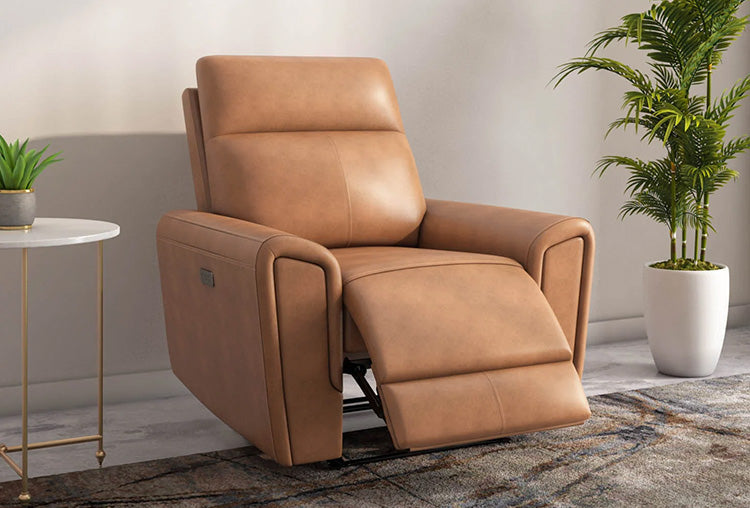
Arranging Your Space for Safe Recliner Use
The placement of your chair can impact both comfort and safety. Here are some guidelines for arranging your room:
- Allow Sufficient Clearance: Make sure there’s enough space behind and in front of the recliner for full extension and easy access.
- Position Near Outlets: If you use a power recliner, place it close to a wall outlet to avoid running cords across walkways.
- Keep Pathways Clear: Remove rugs or clutter that could cause trips when getting in or out of the chair.
- Consider Room Layout: For tips on maximizing space, especially in smaller rooms, see this guide on how to position a recliner in a small room.
Thoughtful arrangement helps you enjoy the benefits of your recliner without sacrificing safety or convenience.
Frequently Asked Questions
Is it safe to sleep in a recliner every night?
For many people, sleeping in a recliner is safe, especially if it provides relief from pain or medical conditions. However, it’s important to monitor for signs of poor circulation, discomfort, or pressure sores. If you have specific health concerns, consult your doctor before making it a nightly habit.
What’s the best position for sleeping in a recliner?
A semi-reclined angle that supports your back and keeps your legs slightly elevated is generally recommended. Use pillows for added support and adjust the chair to minimize pressure on your joints.
How can I make my recliner more comfortable for sleeping?
Adding a lumbar pillow, using a soft blanket, and ensuring the chair is adjusted to your preferred angle can all enhance comfort. Regularly check for squeaks or instability and address any issues promptly.
Can sleeping in a recliner help with sleep apnea or acid reflux?
Yes, elevating your upper body can reduce symptoms of sleep apnea and acid reflux for some individuals. A recliner allows you to maintain this position comfortably throughout the night.