

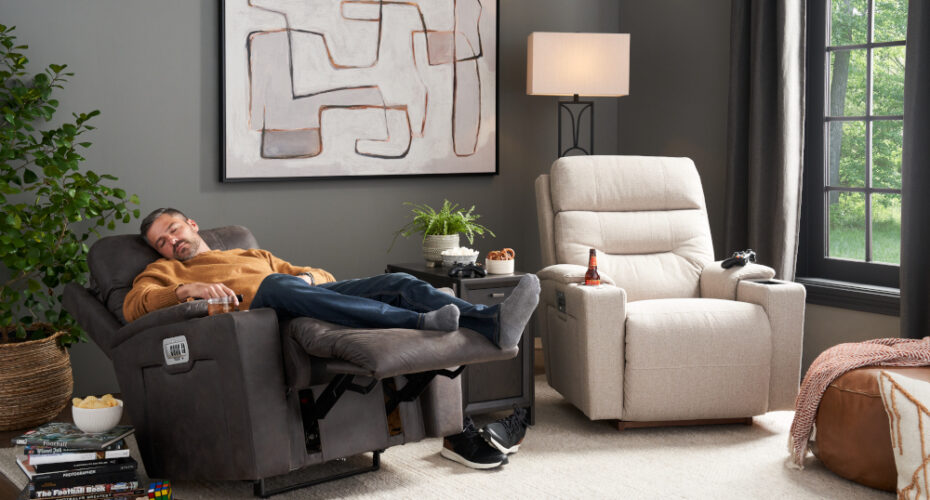
Recovering from surgery often requires careful attention to comfort, mobility, and safety at home. Many individuals find that using a recliner can make the healing process more manageable, offering support and ease of movement. However, it’s essential to understand the best practices for using a recliner during recovery to avoid strain, falls, or setbacks. This article provides practical advice for safely incorporating a recliner into your post-surgery routine, including setup tips, movement strategies, and helpful resources.
For those interested in maintaining their recliner’s cleanliness during recovery, you may also want to review our guide on how to clean microfiber recliner chairs to keep your seating area hygienic and comfortable.
Why Recliners Are Helpful for Post-Surgery Recovery
Recliners are often recommended by healthcare professionals for their ability to provide customizable support and promote proper positioning. After surgery, especially procedures involving the back, hips, knees, or abdomen, it’s vital to minimize unnecessary movement and maintain a posture that reduces pressure on healing tissues. Recliners allow users to adjust their position easily, elevating legs or reclining the back to relieve discomfort and swelling.
For seniors and those with limited mobility, models with lift assistance or riser features can further reduce the risk of falls and make standing up less strenuous. To understand more about the benefits of recliners for seniors, including comfort and mobility advantages, explore our in-depth resource.
Setting Up Your Recliner for Safe Use
Proper setup is crucial for ensuring your recliner is both comfortable and safe during your recovery. Here are some key steps to follow:
- Choose the Right Location: Place the recliner in a quiet, accessible area with enough space to fully extend and maneuver around it. Avoid placing it near stairs or uneven flooring.
- Stabilize the Base: Ensure the recliner sits flat on the floor. If needed, use non-slip pads or a rug with a rubber backing to prevent sliding.
- Keep Essentials Nearby: Arrange a table or organizer within arm’s reach for medications, water, phone, and remote controls. This minimizes the need to get up frequently.
- Check the Mechanism: Test the reclining and lifting functions before use. If your recliner is electric, ensure the power cord is safely tucked away to prevent tripping.
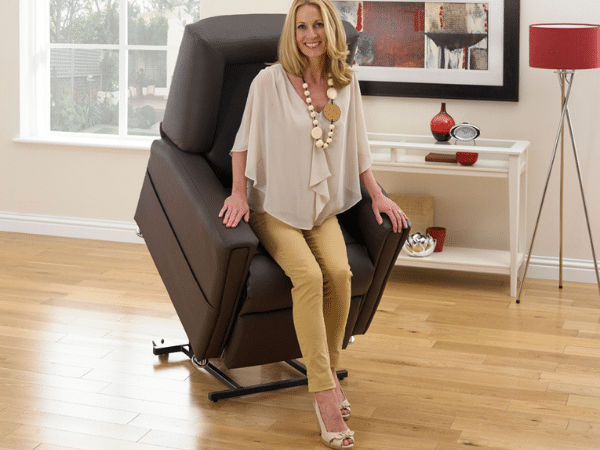
Safe Techniques for Getting In and Out of a Recliner
One of the most important aspects of using a recliner safely after surgery is learning how to sit down and stand up without causing injury or discomfort. Follow these steps for safer transfers:
- Prepare the Chair: If your recliner has a lift function, raise it to a position where the seat is slightly higher than your knee. This reduces the effort needed to sit or stand.
- Use Armrests: Place both hands firmly on the armrests for stability. Avoid using only one arm or pulling on nearby furniture.
- Move Slowly: When sitting, back up until you feel the seat behind your legs, then gently lower yourself. When standing, scoot forward to the edge, plant your feet, and push up using your legs and arms together.
- Ask for Help if Needed: If you feel unsteady, ask a caregiver or family member to assist, especially in the first days after surgery.
For additional support, consider recliners with riser or lift features. Our article on the benefits of riser recliners for seniors explains how these models enhance safety and independence.
Positioning Tips for Comfort and Healing
Correct positioning in your recliner can help reduce swelling, prevent stiffness, and promote circulation. Here are some recommendations:
- Elevate Your Legs: If advised by your doctor, use the footrest to keep your legs elevated above heart level. This can minimize swelling after lower limb or abdominal surgery.
- Support Your Back: Place a small pillow or rolled towel behind your lower back for extra lumbar support. For more on this, see our guide on the importance of lumbar support in senior chairs.
- Avoid Slouching: Sit upright with your back against the chair to maintain good posture and reduce strain on healing areas.
- Change Positions Regularly: Shift your weight or adjust the recline angle every hour to prevent pressure sores and stiffness.

Additional Safety Considerations for Recliner Use After Surgery
While recliners can be a valuable tool for recovery, it’s important to be aware of potential risks and how to mitigate them:
- Monitor for Dizziness: Some medications or changes in position can cause lightheadedness. Stand up slowly and pause before walking.
- Prevent Tripping Hazards: Keep pathways clear of cords, rugs, or clutter around the recliner.
- Follow Medical Advice: Always adhere to your healthcare provider’s recommendations regarding sitting, reclining, and movement restrictions.
- Stay Hydrated and Take Breaks: Use a timer or reminder to get up and move as allowed to promote circulation and prevent stiffness.
For those considering a new chair, lift models can provide additional safety and ease. Learn more about their advantages in this comprehensive overview of lift chairs and recliners for seniors and people with disabilities.
Maintaining Your Recliner During Recovery
Keeping your recliner clean and in good condition is especially important when you’re spending extended periods in it. Use washable covers or throws to protect the upholstery from spills or stains. Regularly wipe down armrests and controls with a disinfectant, and check for any mechanical issues that could affect safety. For detailed maintenance advice, refer to our article on how to clean microfiber recliner chairs.
Frequently Asked Questions
Can I sleep in a recliner after surgery?
Many people find sleeping in a recliner more comfortable after certain surgeries, especially if lying flat is difficult. Always consult your doctor for specific recommendations, and use pillows for extra support as needed.
How do I know if my recliner is safe for post-surgery use?
Check that the chair is stable, easy to operate, and provides adequate support. Lift or riser features can be especially helpful for those with limited mobility. If you have concerns, ask your healthcare provider for guidance.
What should I avoid when using a recliner during recovery?
Avoid sudden movements, slouching, or sitting for prolonged periods without changing position. Keep the area around your chair free of obstacles, and do not attempt to adjust or repair mechanical parts while seated.