

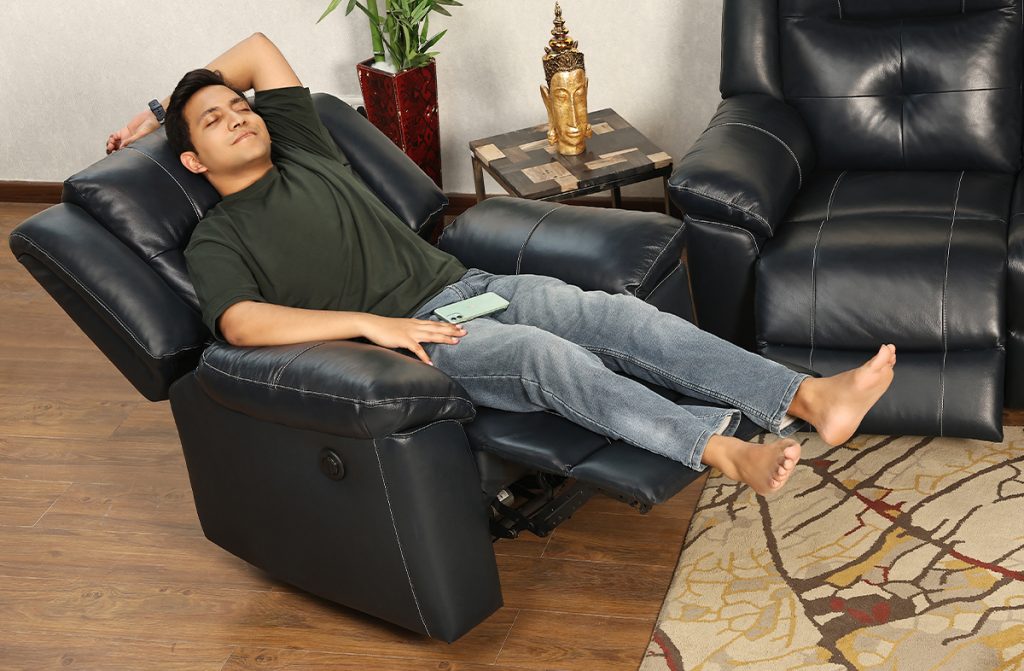
The way we sit has a significant effect on our comfort, mobility, and long-term well-being. Among the many factors that influence sitting posture, recliner seat depth is often overlooked. Yet, the depth of a recliner seat directly affects how your spine aligns, how much support your lower back receives, and whether you can maintain a healthy posture for extended periods.
For seniors and anyone spending substantial time in a recliner, understanding how seat depth interacts with spinal health is crucial. The right seat depth can help prevent slouching, reduce back pain, and support the natural curves of the spine. On the other hand, an ill-fitting seat may contribute to discomfort and even long-term musculoskeletal issues.
If you’re interested in other aspects of recliner safety and ergonomics, such as weight capacity limits for senior recliners, you’ll find additional resources throughout this article.
Why Recliner Seat Depth Matters for Posture
The impact of recliner seat depth on posture is most evident in how the seat supports the thighs and lower back. If the seat is too deep, your back may not reach the lumbar support, causing you to slouch or lean forward. Conversely, a seat that’s too shallow fails to support your thighs, leading to pressure points and poor circulation.
Proper seat depth allows you to sit with your back fully supported while your feet rest flat on the floor. This position helps maintain the spine’s natural S-curve, reducing strain on the lower back and neck. For seniors, who may have reduced flexibility or mobility, the right seat depth can make getting in and out of the chair much easier and safer.
How Seat Depth Affects Spinal Alignment
Spinal health depends on keeping the vertebrae in their natural alignment. When a recliner’s seat depth is not suited to your body, several issues can arise:
- Insufficient lumbar support: A deep seat may prevent your lower back from contacting the chair’s lumbar cushion, increasing the risk of slouching.
- Increased pelvic tilt: Poor seat depth can cause the pelvis to rotate backward, flattening the lumbar curve and placing extra pressure on spinal discs.
- Leg discomfort: A shallow seat may place too much weight on the thighs, restricting blood flow and causing numbness or discomfort.
For those recovering from surgery or managing chronic pain, maintaining proper spinal alignment is even more important. You can learn more about safe recliner use in recovery with these tips on using a recliner safely after surgery.
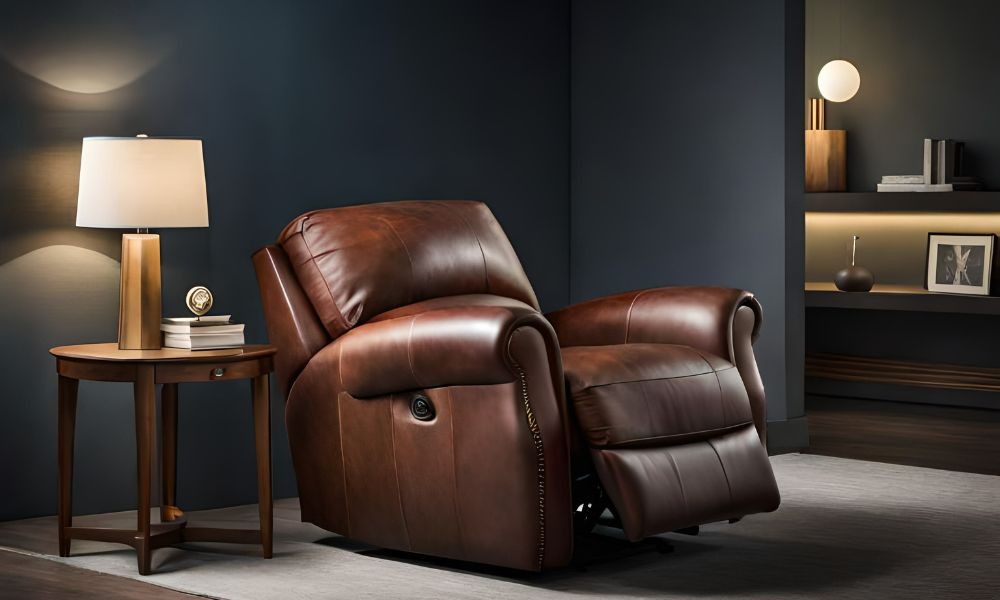
Choosing the Right Seat Depth for Your Body
Selecting a recliner with the correct seat depth involves measuring from the back of your hips to the back of your knees while sitting upright. Ideally, there should be a gap of about 2–3 inches between the edge of the seat and the back of your knees. This allows for full thigh support without restricting circulation or causing pressure behind the knees.
Here are some practical steps to ensure the seat depth suits your needs:
- Sit upright with your back against the recliner’s backrest.
- Check that your feet rest flat on the floor and your knees are at a right angle.
- Measure the distance from the backrest to the edge of the seat; ensure there’s a small gap behind your knees.
- If possible, test the recliner in-store or look for adjustable models to fine-tune the fit.
For those who want to know more about ergonomic features, such as the importance of lumbar support in senior chairs, exploring these details can help you make a more informed decision.
Seat Depth and Common Postural Problems
An improper seat depth can contribute to several common postural issues, especially in older adults:
- Slouching: Deep seats encourage users to slide forward, leading to rounded shoulders and a hunched back.
- Forward head posture: When the lower back isn’t supported, the head tends to jut forward, increasing neck strain.
- Hip and knee discomfort: Poor seat depth can force the hips and knees into awkward positions, making it harder to stand up or sit down safely.
Addressing these issues early can prevent chronic pain and mobility challenges. For tips on keeping your recliner clean and in good condition, see this guide on how to clean microfiber recliner chairs.

Additional Ergonomic Features to Consider
While seat depth is a key factor, it’s not the only consideration for healthy sitting. Other features that can enhance comfort and support include:
- Adjustable lumbar support: Helps maintain the spine’s natural curve.
- Seat height: Ensures feet rest flat on the floor, reducing knee and hip strain.
- Armrest positioning: Supports the arms and shoulders, preventing fatigue.
- Recline angle: Allows for weight distribution and pressure relief.
Those interested in advanced recliner options might want to explore what a dual motor lift chair offers for enhanced adjustability and comfort.
Benefits of Proper Seat Depth for Seniors
Seniors are particularly sensitive to the effects of poor posture and inadequate support. The right seat depth can:
- Reduce the risk of pressure sores by distributing weight evenly.
- Make it easier to stand up and sit down, enhancing safety and independence.
- Support circulation in the legs, reducing swelling and discomfort.
- Encourage proper alignment, which can help prevent falls and injuries.
For more information on the unique needs of older adults, see this overview of the benefits of reclining chairs for seniors.
Frequently Asked Questions
What is the ideal seat depth for a recliner?
The ideal seat depth typically allows you to sit with your back against the backrest and a gap of 2–3 inches between the edge of the seat and the back of your knees. This ensures proper thigh support and reduces pressure behind the knees.
How does seat depth affect lower back pain?
If the seat is too deep, your lower back may not receive enough support, leading to slouching and increased pressure on the lumbar region. A seat that’s too shallow can also cause discomfort by failing to support your thighs. Both scenarios can contribute to or worsen lower back pain.
Are adjustable recliners better for posture?
Adjustable recliners allow you to fine-tune seat depth, lumbar support, and recline angle, making it easier to achieve a healthy sitting position. This flexibility is especially beneficial for people with varying body types or specific postural needs.