

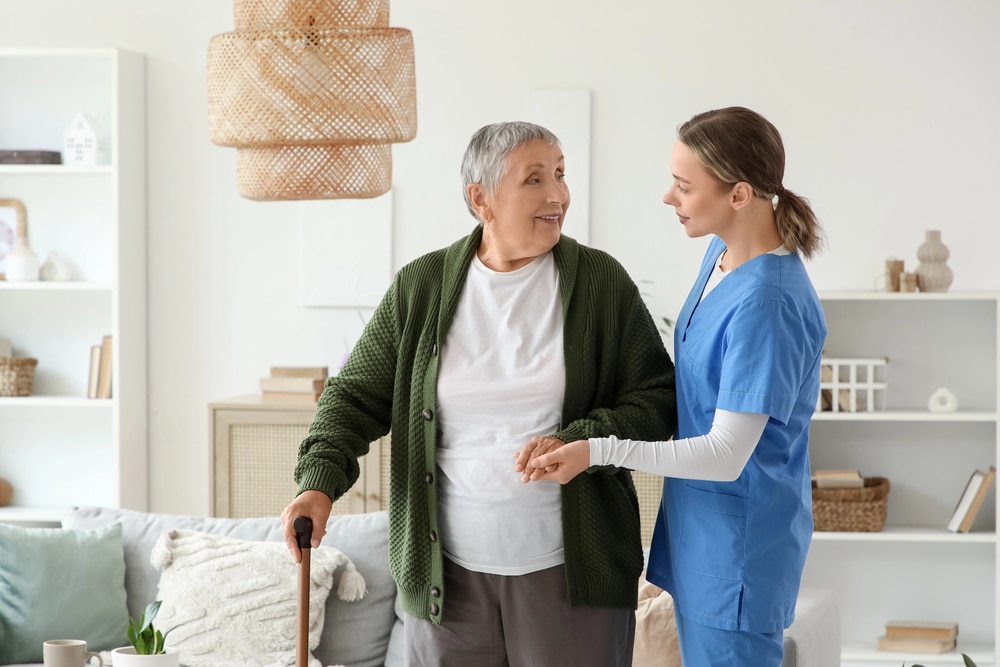
As people age, maintaining a consistent routine and ensuring safety at home become increasingly important. Senior daily alerts are designed to support older adults and their caregivers by providing timely reminders and notifications that help manage health, medication, and daily activities. These systems can play a crucial role in promoting independence, reducing risks, and offering peace of mind to families.
From medication reminders to safety checks, daily alert solutions are evolving rapidly. They can be tailored to individual needs, making them valuable for those living alone or with limited supervision. In this article, we’ll explore how these alert systems work, their key benefits, and how to choose the right options for your loved ones.
For those interested in comprehensive safety, senior fall prevention tracking can be an excellent complement to daily alert systems, helping to monitor and reduce the risk of accidents at home.
Understanding Daily Alert Systems for Seniors
Modern senior daily alerts come in various forms, from wearable devices to smartphone apps and home-based sensors. These tools are designed to help seniors remember important tasks, monitor their well-being, and respond quickly in case of emergencies. Some systems are as simple as a pillbox with an alarm, while others integrate advanced technology such as motion sensors and automatic fall detection.
The main goal is to provide consistent reminders and notifications that keep older adults on track with their routines. This can include:
- Medication reminders
- Hydration and meal prompts
- Appointment notifications
- Safety checks (e.g., door sensors, motion alerts)
- Emergency response features
By integrating these alerts into daily life, seniors can maintain a sense of autonomy while reducing the likelihood of missed medications or unattended emergencies.
Key Benefits of Using Daily Alerts for Older Adults
Implementing a reliable alert system brings several advantages, both for seniors and their caregivers. Some of the most significant benefits include:
- Improved medication adherence: Timely reminders help prevent missed or double doses, which is especially important for those managing multiple prescriptions.
- Enhanced safety: Alerts can notify caregivers or family members if a routine is missed or if unusual activity is detected, allowing for quick intervention.
- Greater independence: With the right support, seniors can continue living at home longer, maintaining their routines without constant supervision.
- Peace of mind: Families and caregivers gain reassurance knowing that their loved ones have an extra layer of protection and support.
- Customizable routines: Many systems allow for personalized schedules and alerts, adapting to changing needs over time.
For more ideas on establishing effective routines, you may find these daily routine suggestions for seniors helpful.
Types of Senior Daily Alert Solutions
There are several categories of daily alert tools available, each with unique features and benefits:
- Wearable devices: Smart watches and pendants can provide reminders, track activity, and offer emergency call buttons. Some models include health monitoring features like heart rate and blood pressure tracking.
- Mobile apps: Smartphone applications can send notifications for medications, appointments, and hydration. Many apps allow caregivers to monitor adherence remotely.
- Home-based systems: These include motion sensors, door alarms, and smart speakers that can provide voice reminders or detect unusual activity.
- Pill dispensers: Automated pillboxes can dispense the correct dose at the right time and alert users if a dose is missed.
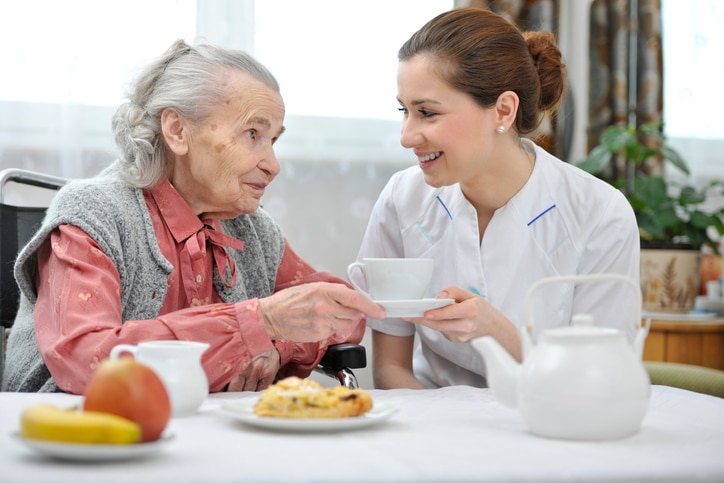
Choosing the right solution depends on the individual’s needs, comfort with technology, and the level of support required. For those who need help with personal care, integrating senior bathing routine tracking or senior personal hygiene tracking can further enhance daily wellness and safety.
How to Choose the Best Daily Alert System
Selecting an appropriate alert solution involves considering several factors:
- Ease of use: The system should be intuitive, with clear instructions and simple controls.
- Compatibility: Ensure the device or app works with existing technology in the home, such as smartphones or Wi-Fi networks.
- Customization: Look for options that allow you to set personalized reminders and adjust alert times as needed.
- Support and monitoring: Some systems offer caregiver portals or notifications if an alert is missed, which can be crucial for those living alone.
- Emergency features: Devices with built-in emergency response buttons or automatic fall detection add an extra layer of safety.
- Cost: Compare subscription fees, equipment costs, and any ongoing service charges.
Consulting with healthcare professionals or geriatric care managers can help identify the most suitable options for your situation.

Integrating Alerts with Broader Wellness Tracking
Daily alert systems are most effective when combined with other wellness tracking tools. Monitoring mental health, physical activity, and fall risks can provide a more comprehensive picture of an individual’s well-being. For example, senior mental wellness tracking can help identify changes in mood or cognition, while elderly fall prevention tracking focuses on reducing accident risks.
By integrating multiple solutions, families and caregivers can create a supportive environment that adapts to changing needs over time.
Tips for Maximizing the Effectiveness of Daily Alerts
- Involve the senior in setup: Encourage participation in choosing and setting up the system to increase comfort and acceptance.
- Regularly review and update alerts: Adjust reminders as routines or health needs change.
- Test emergency features: Periodically check that emergency buttons and notifications work as intended.
- Combine with regular check-ins: Use alerts as a supplement to, not a replacement for, personal visits or calls.
- Educate all users: Make sure both the senior and caregivers understand how to use the system and respond to alerts.
Frequently Asked Questions
What are the most important features to look for in a daily alert system for seniors?
The most valuable features include customizable reminders, ease of use, emergency response capabilities, and the ability to notify caregivers if an alert is missed. Compatibility with other devices and clear instructions are also essential.
Can daily alert systems help prevent accidents at home?
Yes, these systems can reduce the risk of accidents by reminding seniors to take medications, attend appointments, and follow safety routines. Some devices also include fall detection and emergency call functions, which can provide immediate assistance if needed.
Are there options for seniors who are not comfortable with technology?
Absolutely. There are simple solutions like pillboxes with alarms, basic wearable pendants, and voice-activated reminders that do not require smartphones or complex setup. The key is to choose a system that matches the user’s comfort level and needs.