

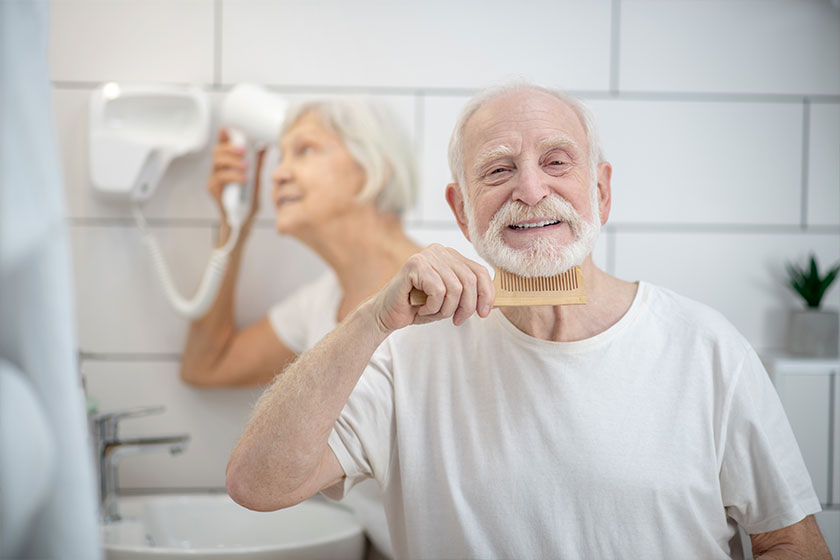
Staying socially active is a key factor in maintaining both mental and physical health as we age. For older adults, keeping track of social interactions can help identify patterns, encourage engagement, and support overall wellbeing. Senior social activity tracking is an approach that helps families, caregivers, and seniors themselves monitor and enhance daily connections, leading to a more fulfilling and healthier lifestyle.
This article explores practical ways to monitor social engagement, the benefits of doing so, and how technology and simple routines can make a positive difference. We’ll also highlight useful resources and tools, including related topics such as senior fall prevention tracking and wellness checklists, to support a holistic approach to healthy aging.
Why Monitoring Social Engagement Matters for Seniors
Regular social interaction is linked to improved mood, sharper cognitive function, and even better physical health. As people age, however, opportunities for connection can decrease due to retirement, mobility challenges, or changes in living situations. By implementing senior social activity tracking methods, families and caregivers can spot early signs of isolation and take steps to encourage more frequent and meaningful engagement.
Research shows that seniors who maintain strong social ties are less likely to experience depression, anxiety, and cognitive decline. Tracking social activities helps ensure that older adults are not only staying active but also enjoying a diverse range of interactions, from family visits to community events.
Methods and Tools for Social Activity Monitoring
There are several effective ways to keep tabs on social involvement for older adults. The right method depends on individual preferences, abilities, and the level of support available. Here are some common approaches:
- Manual Journals or Calendars: Writing down daily or weekly social activities in a notebook or calendar is a simple and accessible way to track engagement. This can include phone calls, group outings, or time spent with friends.
- Digital Apps and Wearables: Technology can make tracking easier and more accurate. Smart watches and activity trackers often include features for logging social events, reminders for scheduled calls, and even mood tracking.
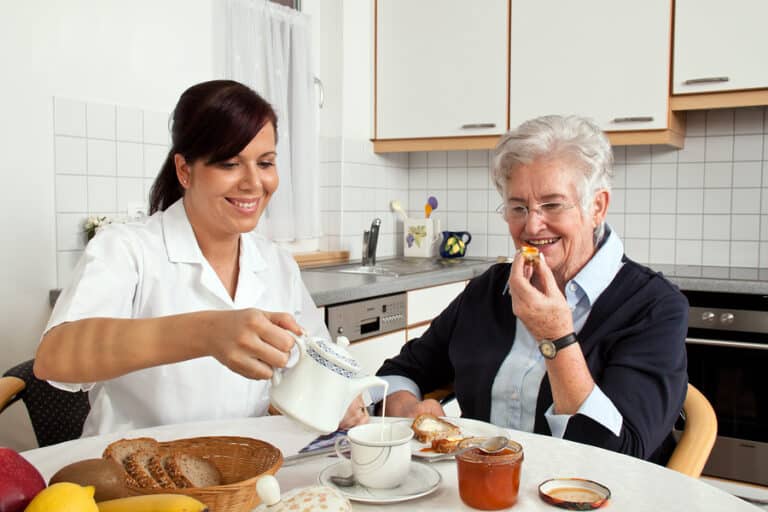
- Caregiver Checklists: For those receiving in-home care, caregivers can use structured checklists to monitor social participation alongside other daily routines. Templates like the free senior caregiver daily checklist template help ensure nothing is overlooked.
- Community Program Logs: Many senior centers and assisted living communities keep records of participation in group activities, which can be shared with families to keep everyone informed.
Key Benefits of Tracking Social Activities
Using social activity monitoring for older adults offers a range of advantages that go beyond simply recording events. Some of the main benefits include:
- Early Detection of Isolation: By observing patterns, caregivers and family members can quickly spot when a senior is withdrawing or missing regular interactions.
- Personalized Support: Tracking helps tailor activities to individual interests, making it easier to suggest outings or visits that are genuinely enjoyable.
- Improved Communication: Sharing tracked information with healthcare providers or family members ensures everyone is aware of the senior’s social health, leading to better coordinated care.
- Motivation and Accountability: Having a record of positive interactions can encourage seniors to continue engaging and trying new activities.
- Better Overall Wellbeing: Consistent social engagement supports mental, emotional, and even physical health, contributing to a higher quality of life.
Integrating Social Tracking with Other Wellness Routines
For the most effective results, social activity monitoring should be part of a broader wellness strategy. Combining it with routines such as senior bathing routine tracking or senior personal hygiene tracking can help create a comprehensive picture of daily life and wellbeing.
Many families find that using a single journal or digital app to track multiple aspects of health—including social, physical, and emotional activities—makes it easier to spot changes and adjust care plans as needed. This holistic approach can also foster more open conversations between seniors and their loved ones.

Choosing the Right Tools for Social Engagement Monitoring
Selecting the best method for tracking social activities for seniors depends on several factors, including comfort with technology, cognitive ability, and the level of independence. Here are some considerations:
- Ease of Use: Tools should be straightforward and accessible, whether it’s a paper calendar or a user-friendly app.
- Privacy: Respecting the senior’s privacy is essential. Always discuss what will be tracked and who will have access to the information.
- Integration: If possible, choose solutions that can combine social tracking with other wellness routines, such as senior mental wellness tracking.
- Reminders and Alerts: Some digital tools offer reminders for scheduled calls or events, which can be helpful for those with memory challenges.
- Sharing Capabilities: The ability to share updates with family or healthcare providers can improve support and coordination.
Tips for Encouraging Social Participation
Tracking is only one part of the equation. Encouraging regular social interaction is equally important. Here are some practical tips:
- Schedule regular calls or video chats with friends and family.
- Participate in group activities at local community centers or places of worship.
- Encourage hobbies that involve others, such as book clubs, gardening groups, or exercise classes.
- Use technology to connect with distant loved ones, including social media or online interest groups.
- Set achievable goals for weekly or monthly social engagements and celebrate milestones.
Frequently Asked Questions
What are the signs that a senior might be socially isolated?
Warning signs include a noticeable drop in social interactions, withdrawal from previously enjoyed activities, changes in mood or appetite, and increased forgetfulness. Regular social activity tracking can help identify these changes early.
How can technology help with monitoring social engagement?
Devices like smart watches and mobile apps can log activities, send reminders for scheduled calls or events, and provide easy ways to share updates with family or caregivers. These tools can make it simpler to maintain consistent engagement and spot patterns over time.
Is it necessary to track every social interaction?
Not every interaction needs to be recorded. The goal is to monitor overall patterns and ensure a healthy level of engagement. Focus on quality and variety rather than quantity, and adjust tracking methods to fit the senior’s preferences and comfort.
Conclusion
Keeping an eye on social involvement is a proactive step toward supporting the health and happiness of older adults. Whether using simple journals, digital tools, or caregiver checklists, senior social activity tracking empowers families and caregivers to promote meaningful connections and prevent isolation. By integrating these practices with other wellness routines, seniors can enjoy a richer, more connected life.