


As the population ages, ensuring the safety and well-being of older adults has become a top priority for families and caregivers. Senior tracking software has emerged as a practical solution, offering real-time monitoring, location tracking, and health insights for older individuals living independently or in care facilities. These digital tools help reduce risks, support daily routines, and provide peace of mind to loved ones and professionals alike.
This article explores how modern tracking platforms support health and care for seniors, what features to look for, and how to choose the right solution. For those interested in broader options, you can also learn about elderly tracking software to compare different technologies and approaches.
Understanding Digital Tools for Senior Safety
The landscape of senior tracking software has evolved rapidly in recent years. These platforms combine GPS location services, health monitoring, and communication features to help caregivers and family members stay connected with older adults. Whether used at home or in assisted living, these systems are designed to promote independence while minimizing risks such as wandering, falls, or missed medications.
Many solutions now integrate with wearable devices, smartphones, or dedicated sensors, providing a seamless and user-friendly experience. By leveraging these technologies, families can receive instant alerts if a loved one leaves a safe area or if unusual activity is detected.
Key Features of Modern Senior Monitoring Solutions
When evaluating digital care platforms, it’s important to consider the range of features offered. The best systems balance robust safety tools with ease of use for both seniors and caregivers. Below are some of the most valuable capabilities found in today’s leading options:
- Real-Time Location Tracking: GPS-enabled devices allow caregivers to know where their loved ones are at all times, reducing anxiety about wandering or getting lost.
- Health Monitoring: Many platforms track vital signs, activity levels, and sleep patterns, helping to identify changes in health before they become emergencies.
- Emergency Alerts: Panic buttons, fall detection, and automatic notifications ensure help can be summoned quickly if needed.
- Routine Reminders: Medication alerts and daily schedule prompts help seniors maintain independence and stick to healthy routines.
- Geofencing: Caregivers can set safe zones and receive notifications if the senior leaves a designated area.
- Communication Tools: Two-way calling and messaging features foster easy contact between seniors and their support network.
For a deeper dive into related technology, consider exploring senior care monitoring systems for home use, which often integrate with tracking platforms for a more comprehensive approach.
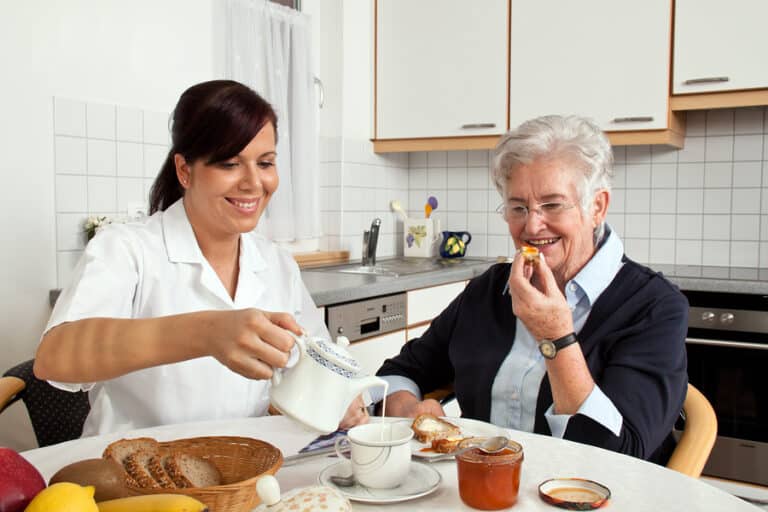
Benefits of Using Tracking Platforms for Older Adults
Adopting senior tracking software brings a range of advantages to both individuals and their caregivers. These benefits go beyond basic safety, supporting a higher quality of life and greater autonomy.
- Peace of Mind: Families can rest easier knowing they will be notified immediately if something is amiss.
- Increased Independence: Seniors can continue to live on their own or with minimal supervision, thanks to the safety net provided by digital monitoring.
- Faster Emergency Response: Quick alerts and location data help emergency responders or caregivers act swiftly in critical situations.
- Improved Health Outcomes: By tracking health metrics and routines, caregivers can spot early warning signs and intervene before issues escalate.
- Personalized Care: Data collected by these systems can inform tailored care plans and support more meaningful conversations with healthcare providers.
For those managing daily routines, elderly routine management tools can be a valuable complement to tracking solutions, helping seniors stay organized and engaged.
Choosing the Right Senior Tracking Solution
Selecting the best platform depends on the unique needs of the individual and their support network. Here are some factors to consider:
- User-Friendliness: The interface should be simple for both seniors and caregivers to navigate.
- Device Compatibility: Check if the software works with smartphones, wearables, or standalone devices.
- Privacy & Security: Ensure that data is encrypted and only accessible to authorized users.
- Customizable Alerts: Look for solutions that allow you to set personalized notifications and safe zones.
- Integration with Other Tools: Some platforms sync with health records, medication reminders, or home automation systems.
- Cost & Subscription: Compare pricing models, including any hardware or monthly service fees.
For caregivers seeking a structured approach, try using a free daily checklist template for senior caregivers to streamline routines and ensure nothing is overlooked.

Integrating Tracking Software with Daily Care
The most effective use of these digital solutions comes from integrating them into everyday routines. This means not only relying on alerts but also using the data to inform care decisions, adjust schedules, and communicate with healthcare professionals. Many families find that combining tracking tools with senior routine management tools creates a more holistic support system.
For those in home settings, pairing monitoring platforms with elderly care monitoring systems can further enhance safety and comfort, especially for individuals with memory loss or chronic health conditions.
Frequently Asked Questions
What is senior tracking software and how does it work?
These platforms use GPS, sensors, and health monitoring features to keep track of an older adult’s location, activity, and well-being. Caregivers can access this information through apps or web dashboards, receiving alerts if something unusual occurs.
Is it safe and private to use tracking technology for seniors?
Most reputable solutions use strong encryption and allow users to control who can access their information. It’s important to review privacy policies and ensure the system meets your family’s comfort level regarding data sharing.
Can these tools help with medication reminders and daily routines?
Yes, many platforms include features for scheduling reminders, prompting medication times, and tracking daily activities. This helps seniors maintain independence and supports caregivers in managing care plans.
Do I need special devices for these platforms to work?
Some solutions operate through smartphones or tablets, while others require dedicated wearables or sensors. It’s important to choose a system that matches the user’s comfort with technology and lifestyle needs.
Conclusion
Digital monitoring solutions have become essential tools in supporting the health, safety, and independence of older adults. By selecting the right platform and integrating it with daily routines, families and caregivers can provide better care while empowering seniors to live life on their own terms. As technology continues to advance, these solutions will only become more accessible and effective for those who need them most.