


Aging is a natural process that comes with its own set of challenges. As people grow older, they may experience reduced mobility, decreased strength, and other health issues. However, with the right support equipment for elderly, seniors can maintain their independence and continue to live comfortably in their homes. In this article, we will explore various types of support equipment, their benefits, and how they can significantly improve the quality of life for the elderly.

Understanding the Importance of Support Equipment
Support equipment plays a crucial role in helping seniors maintain their independence and safety. It includes a wide range of products designed to assist with daily activities, enhance mobility, and prevent accidents. By incorporating support equipment for elderly into their daily lives, seniors can enjoy greater autonomy and confidence.
Types of Support Equipment for Elderly
There are various types of support equipment available to assist the elderly in their daily routines. Let’s explore some of the most popular options:
Mobility Aids
Mobility aids are essential for seniors who have difficulty walking or maintaining balance. These aids include walkers, canes, and wheelchairs, which provide stability and support. For more information on choosing the right mobility aid, visit Intrepid USA.
Bathroom Safety Equipment
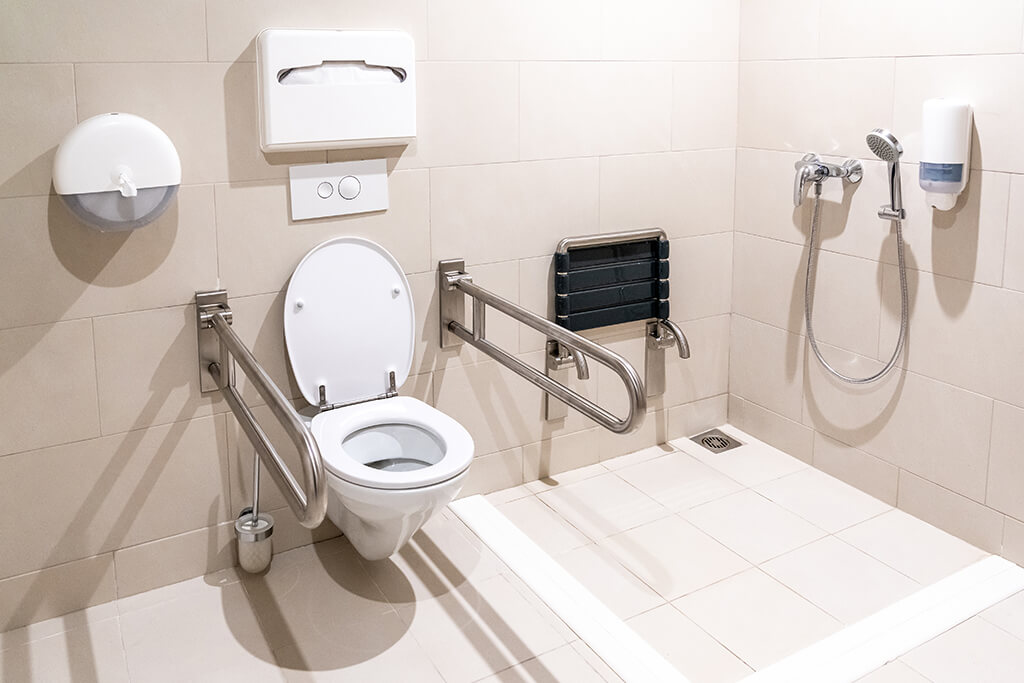
Bathrooms can be hazardous for seniors due to slippery surfaces and limited space. Bathroom safety equipment, such as grab bars, shower chairs, and raised toilet seats, can significantly reduce the risk of accidents. Check out bathroom stability for more options.
Bedroom Aids
Getting in and out of bed can be challenging for seniors with limited mobility. Bedroom aids, such as bed rails and adjustable bed frames, can help make this process easier and safer.
Kitchen Support Equipment
The kitchen can be a dangerous place for seniors, especially when it comes to lifting heavy items or reaching high shelves. Kitchen support equipment, like jar openers, non-slip mats, and step stools, can help seniors maintain their independence while cooking.
Living Room Aids
Seniors may need assistance with getting up from chairs or sofas. Living room aids, such as lift chairs and recliners, can provide the necessary support and comfort.
Benefits of Support Equipment for Elderly
There are numerous benefits to using support equipment for the elderly. These include:
Enhanced Safety
Support equipment reduces the risk of falls and accidents, providing seniors with a safer living environment.
Increased Independence
With the right equipment, seniors can perform daily activities without relying on others, fostering a sense of independence.
Improved Quality of Life
By using support equipment, seniors can maintain their dignity and enjoy a higher quality of life.
Peace of Mind for Caregivers
Knowing that their loved ones are using support equipment gives caregivers peace of mind, as they can be confident in the safety and well-being of the elderly.
Choosing the Right Support Equipment
Selecting the appropriate support equipment for elderly individuals involves considering their specific needs and preferences. Here are some tips to help you make the right choice:
Assess Individual Needs
Consider the specific challenges and limitations faced by the senior. This will help you determine which types of support equipment are most suitable.
Consult a Professional
Seek advice from healthcare professionals, such as occupational therapists or geriatric specialists, who can recommend appropriate support equipment based on the senior’s needs.
Consider the Home Environment
Evaluate the layout and accessibility of the senior’s home to ensure that the support equipment will fit seamlessly into their living space. For instance, if you’re considering bathroom aids, explore options like toilet aids.
Prioritize Comfort and Ease of Use
Ensure that the support equipment is comfortable and easy for the elderly individual to use. This will encourage consistent use and improve their overall experience.
Maintaining Support Equipment
Proper maintenance of support equipment is essential to ensure its longevity and effectiveness. Here are some tips for keeping the equipment in good condition:
Regular Inspections
Perform routine checks on the equipment to identify any signs of wear or damage. This will help prevent accidents and ensure the equipment remains safe to use.
Cleaning and Sanitization
Keep the equipment clean and sanitized to prevent the spread of germs and bacteria. This is especially important for items that come into direct contact with the skin.
Follow Manufacturer’s Guidelines
Adhere to the manufacturer’s instructions for maintenance and care. This will help preserve the equipment’s functionality and warranty.
Seek Professional Repairs
If any issues arise, consult a professional to repair the equipment rather than attempting to fix it yourself. This will ensure that the equipment remains safe and effective.
Conclusion
In conclusion, support equipment for elderly plays a vital role in enhancing the safety, independence, and quality of life for seniors. By carefully selecting the right equipment and maintaining it properly, seniors can continue to live comfortably and confidently in their homes. For more insights and tips on choosing the best support equipment, visit Institute on Aging.
FAQ
What is the most common support equipment for the elderly?
The most common support equipment includes mobility aids like walkers and canes, bathroom safety equipment such as grab bars and shower chairs, and bedroom aids like bed rails.
How do I choose the right support equipment for my elderly loved one?
Consider their specific needs, consult healthcare professionals, and evaluate their home environment to select the most suitable equipment.
How often should support equipment be inspected?
Support equipment should be inspected regularly, ideally once a month, to ensure it remains safe and functional.
This article contains affiliate links. We may earn a commission at no extra cost to you.