


As the global population ages, more seniors are choosing to remain in their homes for as long as possible. This trend, known as aging in place, is becoming increasingly feasible thanks to advancements in technology. By leveraging modern innovations, seniors can maintain their independence, enhance their quality of life, and feel secure in their own spaces.
In this article, we’ll explore various technology for aging in place solutions that are transforming the lives of older adults. From smart home devices to health monitoring systems, these tools are designed to support seniors in their day-to-day activities, ensuring they can live comfortably and safely in their homes.
Smart Home Technology
Smart home technology has revolutionized the way we live, offering convenience, security, and efficiency. For seniors, these devices can be particularly beneficial, providing support in numerous aspects of daily life.
Voice-Activated Assistants
Devices like Amazon’s Alexa and Google Home can be incredibly helpful for seniors. They allow for hands-free control of home functions, such as adjusting thermostats, turning on lights, or playing music. These voice-activated assistants can also set reminders for medication, appointments, or daily tasks, making them invaluable for seniors living independently.
Smart Lighting
Smart lighting systems can be programmed to adjust automatically, providing the right amount of light at any time of day. For seniors, this means no more fumbling for light switches in the dark, reducing the risk of falls and improving overall safety.
Health Monitoring Devices
Health monitoring devices are essential tools in ensuring the well-being of seniors. These devices track vital signs, detect potential health issues, and alert caregivers or medical professionals when necessary.
Wearable Technology
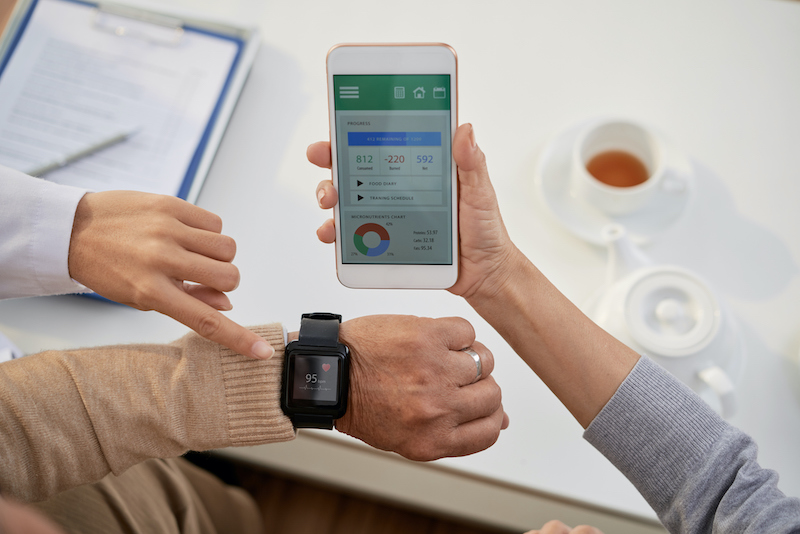
Wearable devices, such as smartwatches, can monitor heart rates, track steps, and even detect falls. Many of these devices have emergency response features, allowing seniors to call for help at the push of a button. Learn more about smartwatches for seniors.
Remote Patient Monitoring
Remote patient monitoring (RPM) systems allow healthcare providers to monitor patients’ health data from a distance. This is especially beneficial for seniors with chronic conditions, as it enables timely interventions and reduces the need for frequent doctor visits.
Safety and Security Technologies
Ensuring the safety and security of seniors is paramount when considering aging in place. Fortunately, there are numerous technologies designed to address these concerns.
Home Security Systems
Modern home security systems offer a range of features, including surveillance cameras, motion detectors, and emergency alerts. These systems provide peace of mind for seniors and their families, knowing that help is just a call away if needed.
Medical Alert Systems
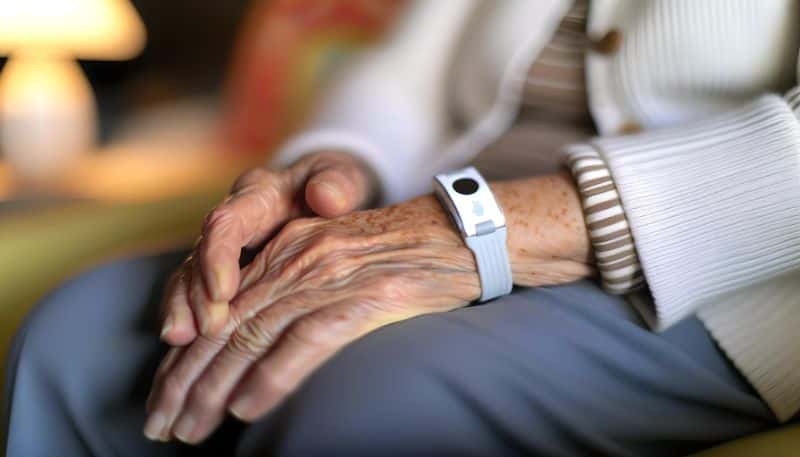
Medical alert systems are crucial for seniors living alone. These systems allow users to call for emergency assistance at the push of a button. They are often worn as pendants or bracelets, ensuring they are always within reach.
Communication Technologies
Staying connected with family and friends is vital for seniors’ mental and emotional well-being. Advances in communication technology make it easier than ever for seniors to stay in touch.
Video Calling Services
Services like Skype, Zoom, and FaceTime allow seniors to video chat with loved ones, bridging the gap when physical visits aren’t possible. These services help seniors feel less isolated and more connected to their families.
Social Media
Social media platforms offer seniors a way to engage with others, share experiences, and stay informed about the world. While some seniors may be hesitant to embrace social media, many find it an enriching way to stay connected.
Transportation and Mobility
For seniors who no longer drive, transportation technology can help maintain independence and mobility.
Ride-Sharing Apps
Apps like Uber and Lyft offer convenient and affordable transportation options for seniors. With just a few taps on a smartphone, seniors can arrange rides to appointments, social events, or shopping trips.
Automated Vehicles
While still in development, self-driving cars hold the promise of increased independence for seniors who can no longer drive. These vehicles could provide safe and reliable transportation, enabling seniors to remain active and engaged in their communities.
Entertainment and Leisure
Technology also plays a significant role in enhancing seniors’ leisure and entertainment options.
Streaming Services
Streaming services like Netflix, Hulu, and Amazon Prime offer a vast array of entertainment options. Seniors can enjoy movies, TV shows, and documentaries at their convenience, providing endless hours of enjoyment.
E-Readers and Audiobooks
E-readers and audiobooks offer seniors a convenient way to access books and literature. These devices are particularly useful for seniors with vision impairments, as they can adjust text size or listen to audio versions of their favorite books.
The Future of Aging in Place
The future of aging in place looks bright, with continuous advancements in technology offering new possibilities for seniors. As more devices become available, they will further enhance the comfort, safety, and independence of seniors choosing to remain in their homes.
Conclusion
In conclusion, technology for aging in place is transforming the way seniors live, providing them with the tools they need to maintain independence and enjoy a high quality of life. By embracing these technologies, seniors can continue to live comfortably in their homes, surrounded by the people and things they love.
Frequently Asked Questions (FAQ)
1. What is aging in place?
Aging in place refers to the ability of seniors to live in their own homes independently and safely, rather than moving to assisted living facilities or nursing homes.
2. How can technology help seniors age in place?
Technology can assist seniors in various ways, such as enhancing safety and security, monitoring health, improving communication, and providing entertainment and transportation options.
3. Are smart home devices easy for seniors to use?
Yes, many smart home devices are designed with user-friendly interfaces, making them easy for seniors to use. Voice-activated assistants, for example, allow for hands-free control of various home functions.
For further reading on the impact of technology on aging in place, consider visiting this study on technology for seniors.
This article contains affiliate links. We may earn a commission at no extra cost to you.