


Recliners are a popular choice for individuals seeking both relaxation and support, especially for those with limited mobility. The right chair can make a significant difference in daily comfort, independence, and safety. Whether you’re recovering from surgery, managing a chronic condition, or simply want to make everyday movements easier, understanding how to maximize the benefits of your recliner is essential.
This article offers practical advice for selecting, setting up, and using recliners to enhance comfort and accessibility. We’ll also discuss important considerations like safety, maintenance, and helpful features for those with mobility challenges. For those interested in the technical side, learning about the weight capacity limits for senior recliners can further inform your decision.
Choosing the Right Recliner for Accessibility
Selecting a recliner tailored to your needs is the first step toward improved comfort and mobility. Not all chairs are created equal—some offer features that are especially helpful for those with reduced strength or flexibility.
- Power lift recliners gently assist users in standing up and sitting down, reducing strain on joints and muscles.
- Look for models with easy-to-use remote controls or large, accessible buttons.
- Consider dual motor lift chairs for independent control of the backrest and footrest. Learn more about their advantages in our guide on what is a dual motor lift chair.
- Ensure the seat height and depth are suitable for your body size to make transfers easier.
- Choose upholstery that’s easy to clean and comfortable against the skin. For maintenance tips, see our article on how to clean microfiber recliner chairs.
Setting Up Your Recliner for Maximum Comfort
Proper placement and setup of your chair can greatly impact both comfort and safety. Here are some practical suggestions for optimizing your space:
- Position the recliner near frequently used items such as a phone, remote, or side table to minimize reaching.
- Make sure there’s enough clearance behind and in front of the chair for full range of motion.
- Place a non-slip rug or mat underneath to prevent sliding, especially on hard floors.
- If possible, keep the chair close to an electrical outlet for power recliners to avoid tripping hazards from extension cords.
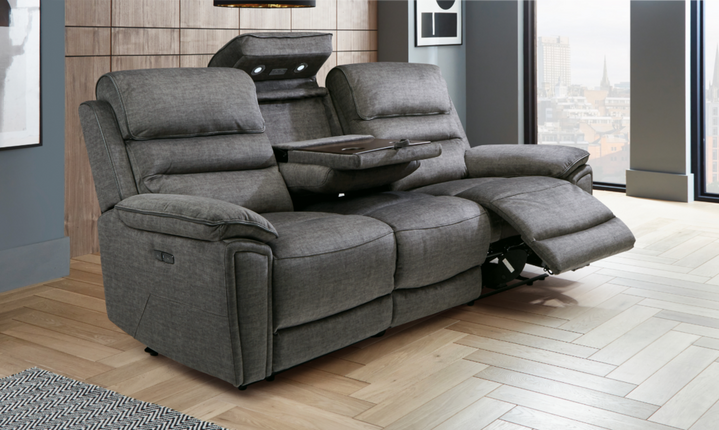
Best Practices for Safe Recliner Use With Mobility Challenges
Safety is paramount when using any type of seating, especially for those with restricted movement. Here are several tips for using recliners with limited mobility to ensure a secure and comfortable experience:
- Always check that the chair is fully upright before standing to prevent falls.
- Use the armrests for support when transferring in and out of the seat.
- If your recliner has a lift function, wait until the movement has stopped before attempting to stand.
- Keep the remote or control panel within easy reach at all times.
- For those recovering from surgery, review our guide on how to use a recliner safely after surgery for additional precautions.
Enhancing Comfort and Support in Your Recliner
Comfort goes beyond the basic function of reclining. Small adjustments and accessories can make a big difference for those with mobility concerns:
- Add a lumbar pillow or cushion for extra lower back support. The importance of lumbar support in senior chairs cannot be overstated for back health.
- Use a lightweight blanket that’s easy to adjust without straining.
- Consider a side pocket organizer for remotes, reading glasses, or medications.
- Adjust the recline angle to relieve pressure on joints and improve circulation.

Maintaining and Cleaning Your Recliner
Keeping your chair in good condition ensures it remains safe and comfortable for daily use. Here are some straightforward maintenance tips:
- Wipe down surfaces regularly with a damp cloth to prevent dust buildup.
- Check moving parts and electrical components for signs of wear or malfunction.
- Follow the manufacturer’s instructions for cleaning upholstery. For microfiber, review our dedicated advice on how to clean microfiber recliner chairs.
- Schedule periodic inspections if your recliner is used heavily or by multiple people.
Additional Resources and Support
For those seeking more information on comfort, mobility, and independence, consider reading about the top benefits of lift chair recliners on trusted mobility blogs. These resources offer in-depth insights into how specialized seating can improve quality of life for seniors and those with mobility challenges.
Frequently Asked Questions
What features should I look for in a recliner if I have limited mobility?
Key features include a power lift mechanism, easy-to-use controls, supportive armrests, and adjustable lumbar support. Dual motor models allow for independent movement of the backrest and footrest, providing greater flexibility and comfort.
How can I make getting in and out of my recliner safer?
Always ensure the chair is in its upright position before standing. Use the armrests for stability, and if your chair has a lift function, wait until it has fully stopped before moving. Placing the chair on a non-slip surface can also help prevent accidents.
How do I keep my recliner clean and in good condition?
Regularly wipe down the chair with a soft, damp cloth and follow the manufacturer’s cleaning instructions for the upholstery. Inspect moving parts and electrical components periodically, and address any issues promptly to maintain safety and comfort.