


Introduction to Problems Faced by the Elderly
In the realm of modern society, one must ask the pressing question: what are the problems faced by the elderly in our society? As our global population ages at an unprecedented rate, these challenges become ever more significant. Recognizing the difficulties that our elderly citizens encounter is vital to fostering a supportive and inclusive environment. In this article, we delve deep into the various issues impacting the lives of seniors and explore potential solutions to ease their daily lives.
The Aging Population: A Global Overview
The global trend towards an aging population is undeniable. According to the World Health Organization, by 2050, the world’s population of individuals aged 60 years and older is expected to total 2 billion. As societies progress, it’s crucial to adapt and address the problems faced by the elderly to ensure that all generations can enjoy a high quality of life.
Healthcare Challenges and Accessibility
Healthcare issues are at the forefront of the problems that the elderly face. Many seniors experience difficulty accessing the care they need due to mobility issues, high costs, and long waiting periods. Additionally, several seniors struggle with chronic health conditions that deteriorate with age, such as arthritis, diabetes, and heart disease. Twisted bowel concerns, for instance, can complicate healthcare needs and require special attention.
Understanding the Costs of Healthcare
One of the most significant barriers for the elderly is the increasing cost of healthcare services. Many are on fixed incomes, making it challenging to afford essential medical treatments and medications. Public policies and programs that focus on reducing financial burdens are imperative for improving access to healthcare for seniors.
Mental Health and Emotional Well-being
Mental health is a critical aspect of overall well-being, yet it is often neglected among the elderly. Conditions such as depression and anxiety are common, often stemming from loneliness, social isolation, or the loss of loved ones. Supporting mental health through community engagement and accessible therapy options should be a priority.
Addressing Loneliness and Isolation
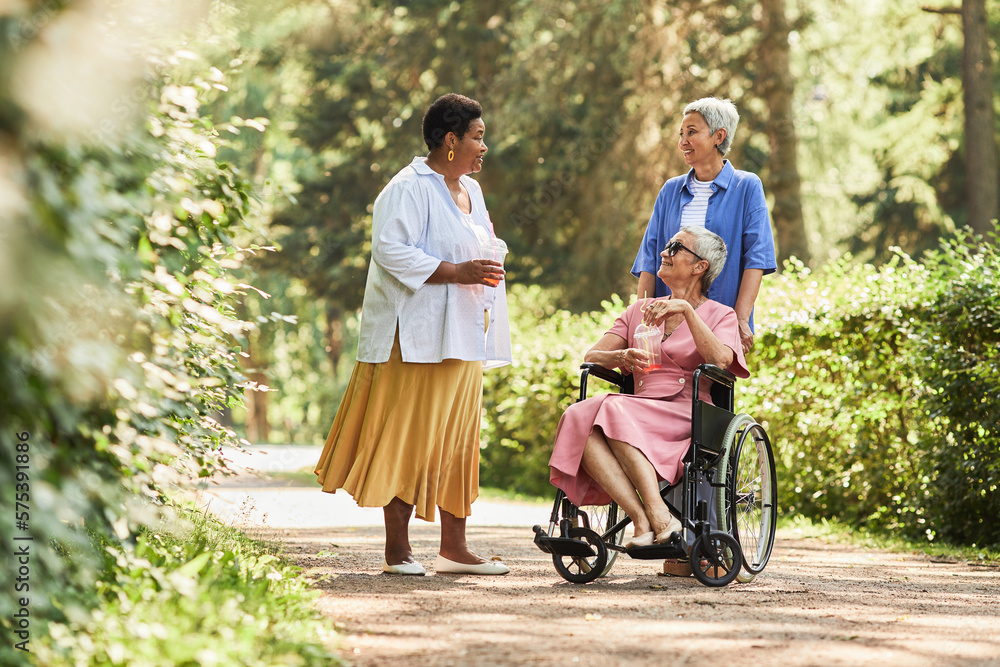
Social isolation is another profound issue impacting seniors. Many elderly individuals live alone, far from family and friends, which can exacerbate mental health issues. Community centers, social programs, and volunteering opportunities can play a crucial role in alleviating these feelings of loneliness.
Physical Health and Mobility Concerns
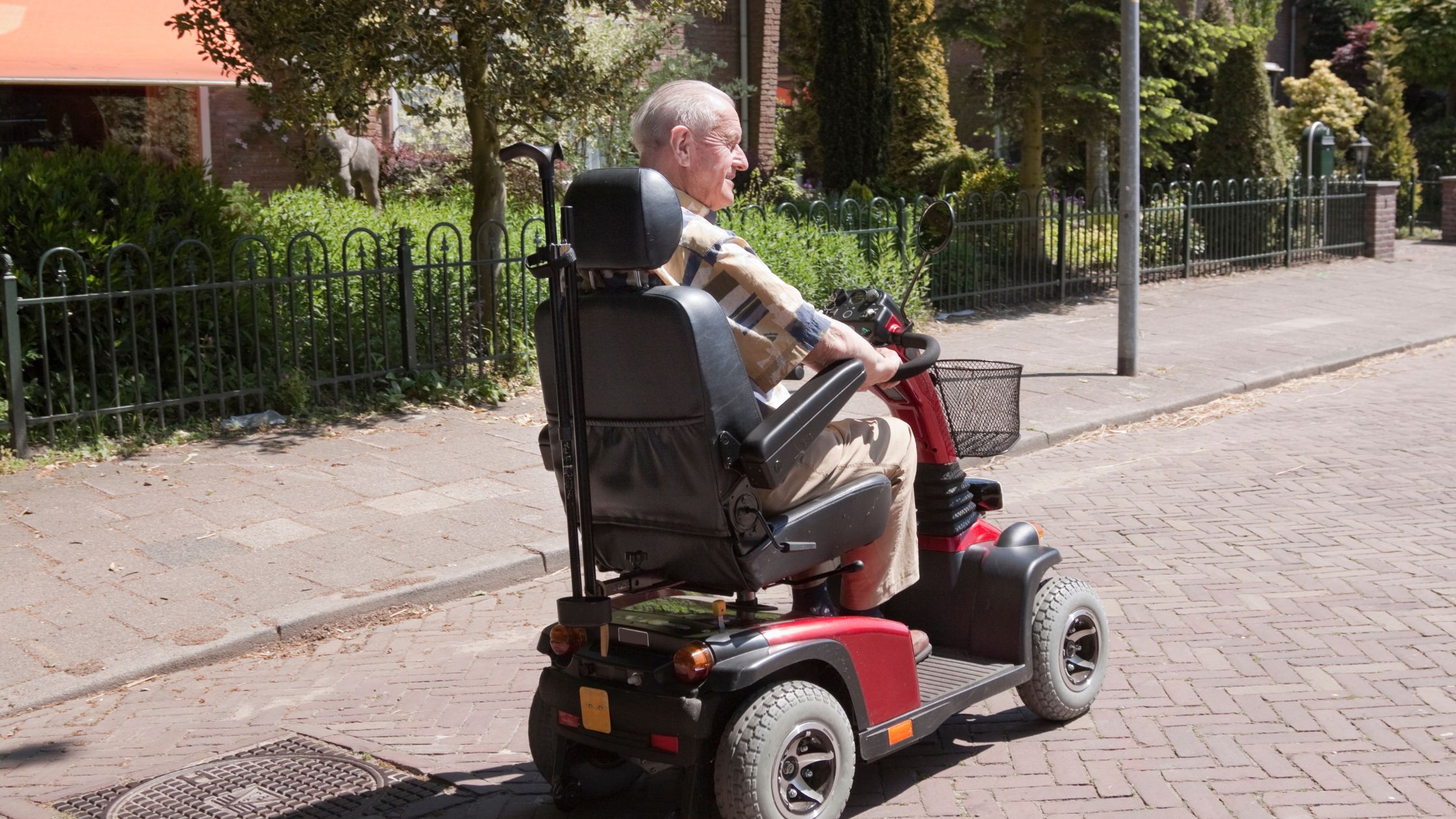
The aging process often comes with physical limitations. Balance and mobility issues can lead to an increased risk of falls and injuries. Accessible infrastructure and public spaces are vital to improving mobility for seniors. You can also explore helpful guides on dealing with hoarseness problems in the elderly.
Home Modifications for Safety
Ensuring that living environments are safe and accommodating is crucial. This might involve installing grab bars in bathrooms, removing tripping hazards, and ensuring that homes have adequate lighting. Technology can also assist, with advancements such as fall detection devices providing an added layer of security.
Financial Concerns and Economic Insecurity
Many elderly individuals face economic challenges due to insufficient savings and fixed incomes. Inflation and rising costs of living further strain their financial situations. Financial literacy programs and advisories can help seniors better manage their resources.
Pension Systems and Retirement Planning
Supportive pension systems and effective retirement planning are necessary components of alleviating economic pressures on the elderly. Instituting programs that provide guidance on financial management and planning can empower seniors to lead more economically stable lives.
The Role of Caregivers and Family
Caregivers play an essential role in the well-being of the elderly, yet they also face their unique challenges. Balancing caregiving responsibilities with personal and professional obligations can be overwhelming. Recognizing the contributions of caregivers and providing resources to support them can greatly benefit both parties.
Caregiver Support Systems
Communities can aid caregivers by offering respite services, support groups, and training programs that equip them with the skills needed to provide effective care. These efforts can enhance the quality of life for caregivers and the elderly alike.
Technology: A Double-Edged Sword
While technology can vastly improve the lives of the elderly by offering connectivity and innovative health solutions, it can also widen the existing digital divide. Many seniors encounter difficulties navigating modern technologies.
Bridging the Digital Divide
Educational programs designed to teach seniors how to use new technologies can be beneficial. By bridging the digital gap, seniors can access a wealth of information and services with ease.
Inclusion and Advocacy
Elderly individuals deserve representation and voice within the community. Advocating for their rights and supporting inclusive policies can ensure their needs are met.
Community Participation
Encouraging elderly involvement in community activities and decision-making processes fosters a sense of belonging and empowers them to advocate for themselves.
Conclusion: A Call to Action
Understanding what are the problems faced by the elderly in our society leads us to consider actionable solutions. The issues are multifaceted, ranging from healthcare and financial concerns to mental health and social inclusion. By addressing these challenges head-on with empathy and innovation, we can work towards a society where aging individuals are supported, valued, and empowered.
FAQ Section
Q1: What is one common issue affecting the elderly?
A1: One common issue is healthcare accessibility, where seniors face barriers due to cost and mobility limitations.
Q2: How can communities support elderly mental health?
A2: Communities can offer social programs, create engagement opportunities, and provide access to mental health resources.
Q3: What role does technology play in elderly care?
A3: Technology offers avenues to improve connectivity, health monitoring, and access to information, though challenges in digital literacy remain.
This article contains affiliate links. We may earn a commission at no extra cost to you.