

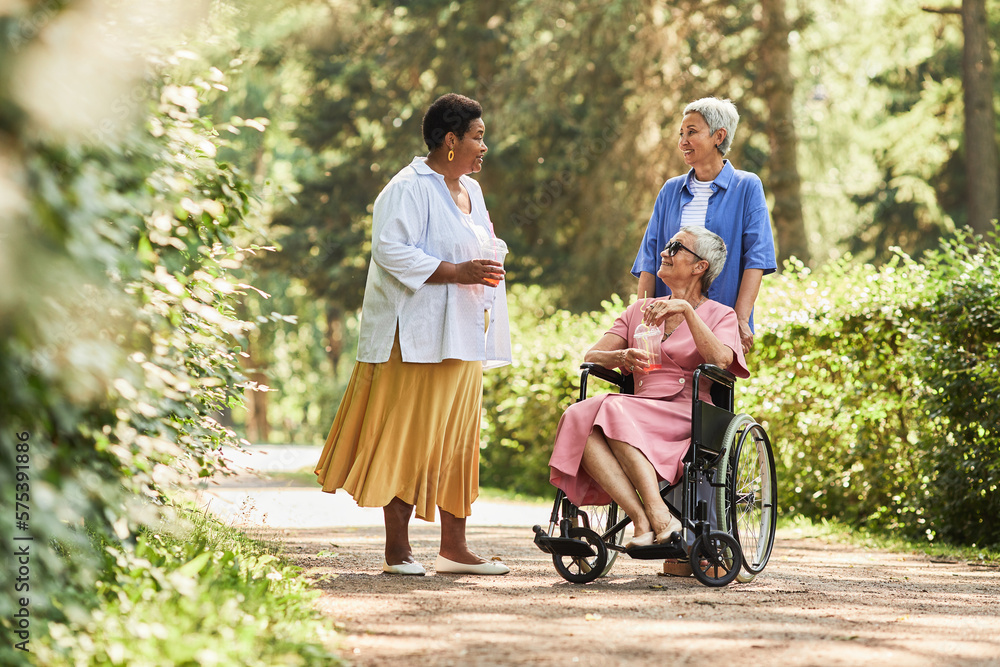
Understanding what causes nausea in elderly women is important for ensuring their well-being. Nausea can be a distressing symptom, affecting daily life and overall health. By identifying underlying causes, we can devise effective solutions. In this article, we’ll explore factors contributing to nausea, helping readers gain insight and knowledge.

Understanding Nausea
Nausea is a sensation of unease and discomfort in the stomach, often accompanied by the urge to vomit. It’s important to recognize that nausea isn’t a disease itself, but rather a symptom of an underlying issue. In elderly women, several factors can contribute to this discomfort.
Common Causes of Nausea in Elderly Women
Medication Side Effects
Many elderly women rely on medications to manage various health conditions. Unfortunately, some of these medications can cause nausea as a side effect. It’s crucial to consult with healthcare providers to determine if medication adjustments are necessary.
Chronic Health Conditions
Chronic illnesses such as diabetes and kidney disease can affect the digestive system, leading to nausea. Managing these conditions effectively can help alleviate symptoms.
Changes in Diet
As people age, their dietary needs change. Consuming foods that are difficult to digest or that don’t align with their nutritional requirements can trigger nausea in elderly women.
Emotional and Psychological Triggers
Stress, anxiety, and depression are common among seniors and can have a direct impact on the digestive system, causing nausea. Addressing these emotional factors is crucial for improving overall well-being.
Diagnosing the Cause of Nausea
Identifying the precise cause of nausea in elderly women can be challenging, but healthcare providers use various techniques such as medical history reviews, physical examinations, and diagnostic tests to pinpoint the root cause.
Medical History Review
Doctors gather detailed information about the patient’s health history, including current medications and chronic conditions, to better understand potential causes of nausea.
Physical Examinations
A thorough physical examination can provide valuable insights, helping to rule out specific underlying issues and focusing on potential triggers.
Diagnostic Tests
Medical tests such as blood tests, imaging, or endoscopy may be conducted to investigate the root cause of nausea.
Treatment and Management Strategies
Once the cause of nausea is identified, appropriate treatment plans can be developed. These may include medication adjustments, dietary changes, and lifestyle modifications.
Lifestyle Modifications
Incorporating gentle exercises, relaxation techniques, and stress management strategies can help alleviate nausea symptoms and contribute to improved quality of life.
Dietary Adjustments
Adopting a well-balanced diet that suits the nutritional needs of elderly women can help prevent nausea. Consulting a nutritionist may be beneficial.
Medication Revisions
If medications are causing nausea, consulting a healthcare professional for alternative options or dosage adjustments is necessary.
Prevention of Nausea
Preventative steps can minimize the incidence of nausea in elderly women. Maintaining regular check-ups, adhering to prescribed medications, and leading a balanced lifestyle are crucial.
Regular Check-Ups
Frequent visits to healthcare providers help monitor health conditions and address concerns early, preventing the onset of nausea.
Medication Adherence
Taking medications as directed and not self-medicating helps prevent adverse effects and potential gastrointestinal disruptions.
Balanced Lifestyle
Incorporating a balanced lifestyle with adequate rest, nutrition, and physical activity reduces the risk of nausea, enhancing well-being.
For more detailed insights on improving elderly health, consider exploring how long an elderly person can live with certain conditions through this informative guide.
Resources for Elderly Care
It’s essential to support elderly women experiencing nausea by providing them with resources and assistance. Engaging healthcare providers, family, and community services ensures a holistic approach to their care.
Additional elderly care tips can be found in articles about home care for seniors, like this one on caring for an elderly person.
FAQ
How can family members help?
Family members can help by encouraging a balanced diet, monitoring medication intake, and providing emotional support.
What lifestyle changes can alleviate nausea?
Regular physical activity, stress management techniques, and adequate nutrition can alleviate nausea and improve health.
Why is it important to seek medical evaluation?
Seeking medical evaluation ensures that underlying issues are addressed, preventing severe complications and promoting health.

Conclusion
The well-being of elderly women is important, and understanding what causes nausea in elderly women is crucial for providing them with a comfortable and healthy life. By recognizing the underlying causes and implementing appropriate strategies, we can help alleviate nausea and enhance their quality of life. Stay informed, remain proactive, and prioritize health to support the well-being of elderly individuals.
This article contains affiliate links. We may earn a commission at no extra cost to you.