

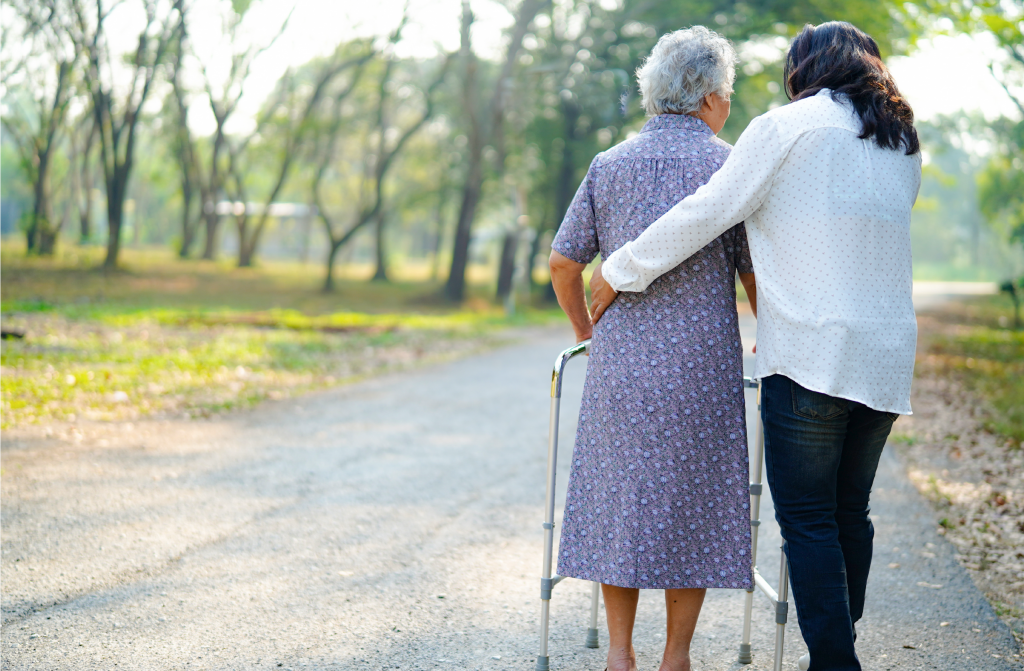
Growing older brings new priorities, and for many, the desire to remain in their own homes is at the top of the list. Aging in place means living independently and safely in your familiar environment as you age, rather than moving to assisted living or other care facilities. With thoughtful planning and a few practical adjustments, it’s possible to enjoy comfort, autonomy, and peace of mind at home for years to come.
This guide explores essential strategies for creating a secure, accessible, and enjoyable living space. From home modifications and technology to community resources and daily routines, you’ll find actionable advice to support your journey toward self-reliant living. If you’re interested in broader wellness approaches, you might also benefit from our resource on senior wellness.
Why Home Safety Is the Foundation of Independent Living
A secure environment is the cornerstone of successful aging in place. Falls and accidents are among the most common risks for older adults, but many hazards can be minimized with proactive changes. Start by assessing your home for potential dangers and addressing them before they become issues.
- Remove tripping hazards: Secure loose rugs, clear clutter, and ensure walkways are wide and unobstructed.
- Install grab bars: Place sturdy bars in bathrooms near toilets and showers for added support.
- Improve lighting: Use bright, energy-efficient bulbs and add night lights in hallways and bathrooms.
- Non-slip surfaces: Add non-slip mats in the bathroom and kitchen to prevent falls.
- Check smoke and carbon monoxide detectors: Test alarms regularly and replace batteries as needed.
For a more comprehensive approach to creating a secure home, refer to our senior safety resource, which offers additional tips tailored to older adults.
Essential Home Modifications to Support Mobility
Maintaining mobility is vital for independence. Simple home modifications can make daily routines easier and reduce the risk of injury. Consider these practical updates:
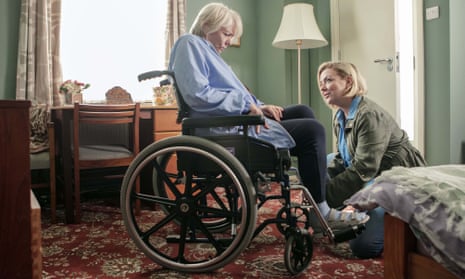
- Widen doorways: Accommodate walkers or wheelchairs by expanding door frames where possible.
- Ramp installations: Replace steps with ramps at entrances for smoother access.
- Lever-style handles: Swap round doorknobs for lever handles, which are easier to operate for those with arthritis or limited grip strength.
- Adjustable showerheads and seats: Make bathing safer and more comfortable by adding a shower seat and handheld showerhead.
- Lowered countertops and cabinets: Ensure kitchen and bathroom storage is within easy reach.
These changes not only enhance safety but also promote confidence and self-sufficiency. For more ideas on maintaining an active lifestyle, see our guide on senior fitness.
Smart Technology for Enhanced Comfort and Security
Technology can play a significant role in supporting aging in place. Modern devices offer convenience, safety, and peace of mind for both seniors and their families. Here are some helpful options:
- Medical alert systems: Wearable devices that connect users to emergency help at the push of a button.
- Smart home assistants: Voice-activated devices can control lights, thermostats, and reminders for medication or appointments.
- Video doorbells and security cameras: Monitor visitors and enhance security without leaving your seat.
- Automatic pill dispensers: Help manage complex medication schedules and reduce the risk of missed doses.
- Motion sensor lighting: Lights that turn on automatically at night can prevent falls and make nighttime navigation safer.
These tools can be tailored to individual needs and preferences, making daily life more manageable and less stressful.
Daily Routines and Community Support for Independent Living
Beyond physical modifications, daily habits and social connections are crucial for thriving at home. Establishing consistent routines and tapping into local resources can make a significant difference.
- Stay active: Gentle exercises, such as walking or stretching, help maintain strength and balance. Explore our senior lifestyle ideas for more inspiration.
- Connect with others: Regular visits from friends, family, or neighbors reduce isolation and provide emotional support.
- Use transportation services: Many communities offer rides for seniors to medical appointments, shopping, or social events.
- Access home care services: Professional caregivers can assist with personal care, housekeeping, and meal preparation as needed.
- Join local programs: Senior centers and community organizations often host classes, activities, and support groups.
Promoting Mobility and Preventing Falls
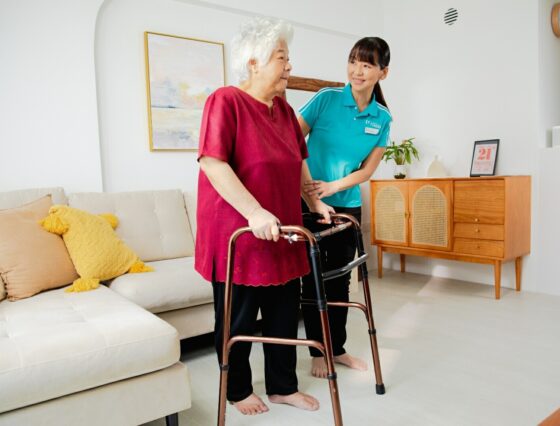
Maintaining movement and preventing falls are essential for safe, independent living. Regular exercise, proper footwear, and mobility aids can all contribute to stability and confidence. For more detailed strategies, you can explore this comprehensive guide to increasing mobility for seniors.
- Exercise regularly: Activities like tai chi, yoga, or swimming improve balance and flexibility.
- Wear supportive shoes: Choose non-slip, well-fitting footwear for everyday use.
- Use canes or walkers: Mobility aids provide extra support when moving around the home or outdoors.
- Schedule vision checks: Good eyesight is vital for avoiding obstacles and staying safe.
- Keep frequently used items accessible: Store essentials within easy reach to avoid unnecessary stretching or climbing.
Planning for the Future: When to Seek Extra Help
Even with the best preparation, needs can change over time. Recognizing when to seek additional support is a key part of maintaining independence. Watch for signs such as increased difficulty with daily tasks, frequent falls, or changes in health status.
Options for extra help include:
- In-home care: Professional caregivers can assist with personal care, medication management, and household chores.
- Meal delivery services: Nutritious, ready-to-eat meals support health and reduce the burden of cooking.
- Home health services: Nurses and therapists can provide medical care and rehabilitation at home.
- Family and friends: Don’t hesitate to ask loved ones for help with errands, transportation, or companionship.
For more on maintaining autonomy as your needs evolve, our senior independence guide offers practical advice for adapting to change.
Frequently Asked Questions
What are the most important home modifications for aging in place?
The most impactful changes include installing grab bars in bathrooms, improving lighting throughout the home, removing tripping hazards, and adding non-slip mats. Widening doorways and adding ramps can also make a big difference for those with mobility challenges.
How can technology help seniors remain independent at home?
Devices like medical alert systems, smart home assistants, and motion sensor lighting increase safety and convenience. These tools can remind you to take medication, alert help in emergencies, and make daily routines easier to manage.
When should someone consider seeking extra support?
If daily tasks become difficult, if there are frequent falls, or if health conditions change, it may be time to explore in-home care, meal delivery, or other support services. Early planning ensures that help is available when needed, allowing you to maintain your independence as long as possible.