

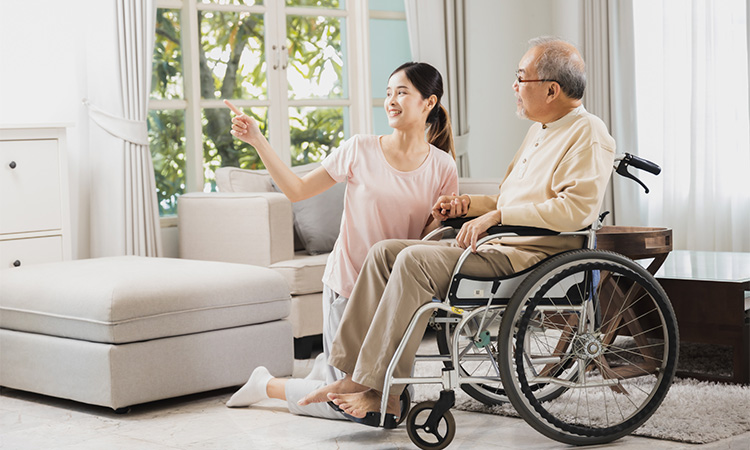
As people age, maintaining independence and safety at home becomes increasingly important. The right assistive devices for seniors can make daily activities easier, boost confidence, and reduce the risk of accidents. From mobility aids to smart home technology, a wide range of solutions are available to help older adults live more comfortably and securely.
In this guide, we’ll explore practical tools and equipment that support everyday living for older adults. Whether you’re a senior looking to enhance your quality of life or a caregiver seeking the best options, understanding what’s available can make a significant difference. For those interested in broader strategies to support healthy, active aging, you may also find value in our resource on senior wellness.
Understanding the Role of Daily Living Aids
Everyday tasks such as bathing, dressing, moving around the house, and preparing meals can become challenging with age. Assistive devices for seniors are specifically designed to bridge these gaps, allowing older adults to maintain autonomy and dignity. These tools range from simple grab bars to advanced electronic monitoring systems.
Choosing the right aids depends on individual needs, living arrangements, and health conditions. Consulting with occupational therapists or healthcare professionals can help identify the most suitable products for each person.
Mobility Solutions for Greater Independence
Mobility is a key aspect of independent living. Devices that support walking, standing, and transferring can help prevent falls and encourage activity. Here are some common mobility aids:
- Canes and Walking Sticks: Offer balance support for those with mild instability.
- Walkers and Rollators: Provide more stability and often include seats for resting.
- Wheelchairs and Transport Chairs: Essential for those with limited lower body strength or endurance.
- Stair Lifts: Allow safe access to upper floors without the risk of climbing stairs.
- Transfer Boards and Poles: Help with moving from bed to chair or toilet safely.
Home Safety Devices for Seniors
Preventing accidents at home is a top priority. Safety-focused assistive devices for seniors can minimize hazards and provide peace of mind for both users and their families.
- Grab Bars and Handrails: Install in bathrooms, hallways, and stairways for extra support.
- Non-Slip Mats and Flooring: Reduce the risk of slips in wet areas.
- Shower Chairs and Raised Toilet Seats: Make bathing and toileting safer and more comfortable.
- Motion Sensor Night Lights: Illuminate pathways at night to prevent falls.
- Bed Exit Alarms: Alert caregivers if a senior leaves the bed unexpectedly, reducing fall risk.
Technology and Smart Home Tools
Modern technology offers a new level of support for older adults. Smart home devices and wearable technology can enhance safety, provide reminders, and connect users with caregivers or emergency services.
- Medical Alert Systems: Wearable devices that summon help at the press of a button.
- Voice-Activated Assistants: Enable hands-free control of lights, thermostats, and communication.
- Automated Pill Dispensers: Ensure medications are taken on time and in the correct dose.
- Remote Monitoring Sensors: Track movement, detect falls, and send alerts to family or caregivers.
- Video Doorbells and Security Cameras: Increase security and allow visual communication with visitors.
Personal Care and Hygiene Aids
Maintaining personal hygiene is essential for health and well-being. Specialized devices can make grooming, bathing, and dressing easier for those with limited mobility or dexterity.
- Long-Handled Sponges and Brushes: Help reach difficult areas during bathing.
- Button Hooks and Zipper Pulls: Assist with dressing independently.
- Electric Toothbrushes and Razors: Reduce the effort needed for daily grooming.
- Bath Lifts: Allow safe entry and exit from the bathtub.
Kitchen and Eating Assistance
Preparing meals and eating can be challenging for those with arthritis, tremors, or reduced strength. Kitchen aids are designed to make these activities safer and more manageable.
- Easy-Grip Utensils: Feature larger handles for better control.
- Non-Slip Bowls and Plates: Prevent spills and make eating easier.
- Jar Openers and Reachers: Help open containers and access items on high shelves.
- Automatic Shut-Off Appliances: Reduce fire risk by turning off when not in use.
Choosing the Right Products for Individual Needs
Selecting the most effective assistive devices for seniors depends on personal circumstances, health status, and preferences. It’s important to involve the user in decision-making and, when possible, test products before purchasing. Consulting with healthcare professionals can ensure that the chosen aids truly address the specific challenges faced.
For those seeking more ideas on living comfortably and independently, our article on senior lifestyle offers additional inspiration.

Tips for Safe and Effective Use of Senior Aids
To maximize the benefits of daily living aids, follow these practical tips:
- Regularly inspect equipment for wear and tear, and replace when necessary.
- Ensure devices are installed correctly, especially grab bars and safety rails.
- Keep pathways clear and free of clutter to prevent tripping hazards.
- Educate users and caregivers on proper operation of electronic aids.
- Personalize device placement for convenience and accessibility.
For a comprehensive list of ways to enhance safety at home, see this collection of safety tips for older adults.
If you’re interested in more ways to support confident, self-reliant living, our senior independence guide provides further guidance.
FAQ: Common Questions About Senior Living Aids
What are the most essential assistive devices for seniors living alone?
Key items include grab bars, non-slip mats, motion sensor night lights, medical alert systems, and mobility aids like canes or walkers. These products address the most common risks and help maintain independence.
How do I choose the right daily living aids for my needs?
Start by assessing specific challenges or areas where assistance is needed. Consult with healthcare professionals, try out products when possible, and prioritize comfort and ease of use. Involving the user in the selection process ensures better acceptance and effectiveness.
Are there financial assistance programs for purchasing senior aids?
Many communities offer programs through local agencies, insurance, or nonprofit organizations to help offset the cost of essential devices. Check with healthcare providers or local senior centers for available resources.
Conclusion
The right assistive devices for seniors can transform daily living, making homes safer and routines more manageable. By understanding available options and matching them to individual needs, older adults and their families can promote independence, comfort, and peace of mind. For more on staying active and strong, see our guide to senior fitness, and for home safety, explore our senior safety tips.