


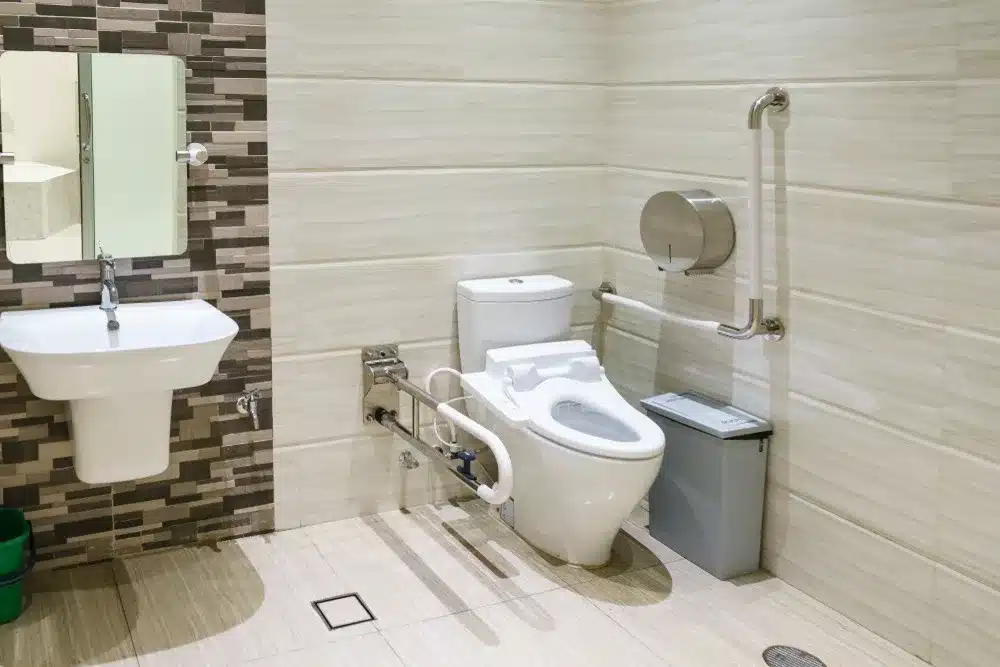
Creating a bathroom layout for wheelchair accessibility is a crucial aspect of ensuring independence and safety for individuals with mobility challenges. Whether you’re redesigning a home for a loved one or planning a public facility, understanding the essentials of accessible bathroom design is critical. This article explores the key elements of designing a bathroom that accommodates wheelchair users, focusing on safety, comfort, and functionality.
Understanding Wheelchair Accessibility
Before diving into design specifics, it’s important to comprehend what wheelchair accessibility entails. An accessible bathroom allows users to maneuver freely, ensuring all fixtures and amenities are within reach and easy to use. This involves thoughtful consideration of space, height, and stability features.
Space Requirements
The foundation of an accessible bathroom is ample space. According to the Americans with Disabilities Act (ADA), a wheelchair-accessible bathroom should have at least 60 inches of turning radius. This allows users to navigate the space comfortably without obstruction.
Doorways and Entryways
Doorways should be at least 32 inches wide to accommodate most wheelchairs. Consider installing sliding doors or doors that swing outward to maximize interior space. Ensure that door handles are easy to grasp and operate, such as lever-style handles.
Thresholds
Eliminate thresholds wherever possible, or ensure they are no more than 1/2 inch high. This minimizes the risk of tripping and eases wheelchair entry and exit.
Bathroom Fixtures
Toilets
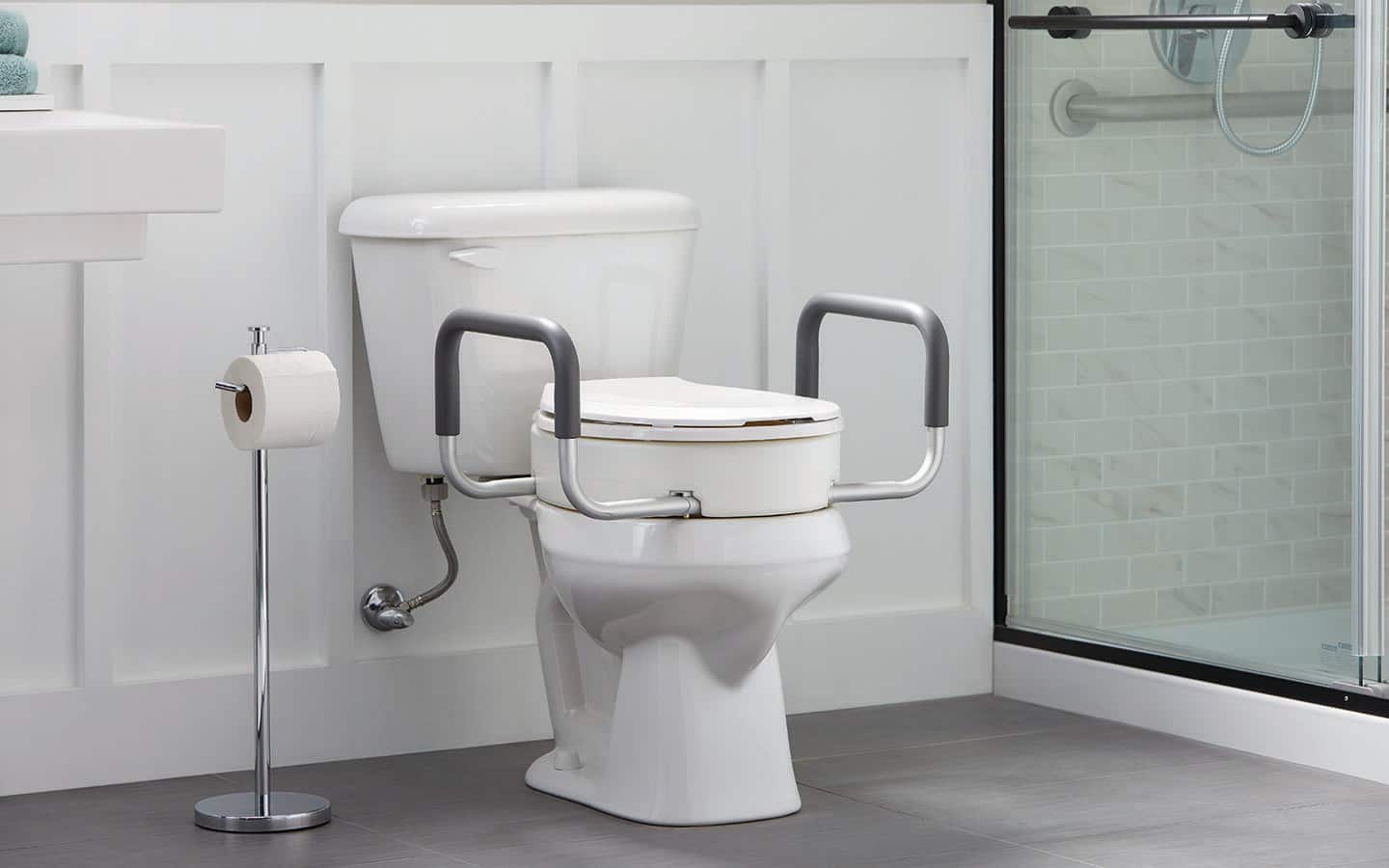
Install toilets at a height of 17 to 19 inches from the floor to the top of the seat. This height is more comfortable for wheelchair users and seniors. Consider adding grab bars on adjacent walls for additional support.
Sinks
Sinks should be mounted at a height accessible to wheelchair users, typically between 29 to 34 inches above the floor. Ensure there is enough knee clearance underneath, about 27 inches high, 30 inches wide, and 19 inches deep.
Faucets
Use lever-operated, push-type, or electronically controlled faucets. These options are easier to operate for individuals with limited hand strength.
Shower and Bathtub Design
Opt for a roll-in shower with no curb to allow easy wheelchair access. Include a built-in bench or a portable shower chair. Install a handheld showerhead with a hose at least 60 inches long for flexibility.
Grab Bars
Position grab bars in showers and tubs to provide stability. They should be 33 to 36 inches off the floor and able to support at least 250 pounds.
Lighting and Visibility
Ensure adequate lighting throughout the bathroom. Use motion-sensor lights for convenience. Contrast colors between walls, floors, and fixtures to aid those with visual impairments.
Flooring Considerations
Choose non-slip flooring materials to prevent accidents. Avoid rugs or mats that can bunch up and create tripping hazards.
Additional Safety Features
Emergency Call Systems
Install an emergency call button or cord within reach of the toilet and shower area.
Mirror Placement
Mirrors should be tilted downward to accommodate users seated in wheelchairs.
Cost Considerations
While designing an accessible bathroom can be an investment, there are cost-effective solutions available. Look for grants or assistance programs that may help offset expenses.
For more information on bathroom safety renovations, check out cost of bathroom safety renovations.
Conclusion
Designing a bathroom layout for wheelchair accessibility is essential for promoting independence and ensuring safety. By understanding and implementing the necessary design elements, you can create a bathroom that is functional, comfortable, and inclusive.
FAQs
What is the ideal turning radius for a wheelchair in a bathroom?
The ideal turning radius is at least 60 inches to ensure easy maneuverability.
How high should accessible toilets be?
Accessible toilets should be 17 to 19 inches from the floor to the top of the seat.
What type of flooring is best for wheelchair-accessible bathrooms?
Non-slip flooring materials are best to ensure safety and prevent accidents.
This article contains affiliate links. We may earn a commission at no extra cost to you.