


As we age, understanding the connection between cognitive decline and fall risk becomes increasingly important. This topic is especially relevant for seniors and their families, as it highlights crucial aspects of health and safety that can impact daily life.
Understanding Cognitive Decline
Cognitive decline refers to the gradual loss of brain functions such as memory, thinking, and reasoning skills. This decline can lead to difficulties in performing everyday tasks, increasing the risk of falls.
Factors Contributing to Cognitive Decline
Several factors can contribute to cognitive decline, including age, genetics, lifestyle choices, and underlying medical conditions. Understanding these factors is essential for developing strategies to mitigate risks.
Signs of Cognitive Decline
Early signs of cognitive decline include memory lapses, confusion, and difficulty concentrating. Recognizing these symptoms early can help in seeking timely intervention.
Link Between Cognitive Decline and Fall Risk
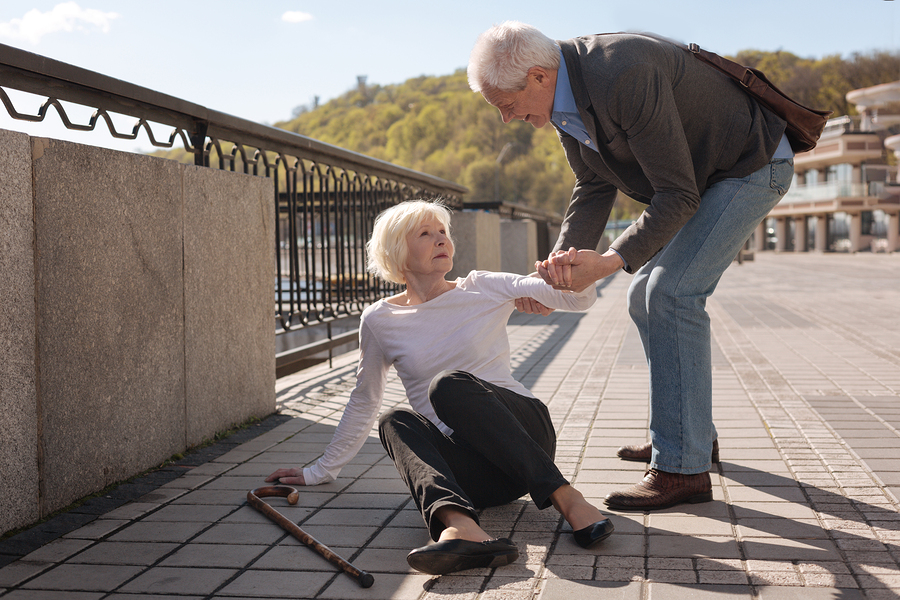
The connection between cognitive decline and fall risk is significant. As cognitive abilities diminish, individuals may experience impaired judgment, reduced balance, and slower reaction times, all of which can increase the likelihood of falls.
Impact of Balance and Coordination
Balance and coordination are critical in preventing falls. Cognitive decline can affect these skills, making seniors more susceptible to accidents.
Role of Medications
Medications used to manage conditions related to cognitive decline can sometimes have side effects that increase fall risk. It’s important for healthcare providers to regularly review and adjust medications as needed.
Prevention Strategies
Preventing falls in individuals experiencing cognitive decline requires a comprehensive approach. This includes physical exercises to improve strength and balance, as well as cognitive training to enhance mental functions.
Exercise and Physical Activity
Regular physical activity helps maintain muscle strength and improve balance, reducing the risk of falls. Activities like walking, swimming, and tai chi are particularly beneficial.
Cognitive Training
Cognitive exercises, such as puzzles and memory games, can help maintain mental acuity and potentially slow the progression of cognitive decline.
Home Safety Modifications
Making modifications to the home environment can significantly reduce the risk of falls. This includes removing tripping hazards, installing grab bars, and ensuring adequate lighting.
Technology and Assistive Devices
Technology, such as non-wearable fall detection systems, can provide additional safety. These systems can alert caregivers immediately in the event of a fall, ensuring prompt assistance.
For more information on fall detection systems, visit this link.
Role of Healthcare Providers
Regular check-ups with healthcare providers are crucial for managing both cognitive decline and fall risk. They can offer personalized advice and intervention strategies.
Monitoring Progression
Healthcare providers can monitor the progression of cognitive decline and adjust treatment plans accordingly. This proactive approach is essential in minimizing fall risk.
Emotional and Social Support
Emotional and social support from family and community can greatly enhance the quality of life for individuals facing cognitive decline. Staying connected with loved ones and participating in social activities can provide mental stimulation and emotional well-being.
Community Resources
Many communities offer resources and programs designed to support seniors. These can include fitness classes, support groups, and educational workshops.
The Importance of Regular Assessments
Regular assessments by healthcare professionals can help in identifying changes in cognitive function and mobility, allowing for timely interventions to reduce fall risk.
Personalized Care Plans
Developing personalized care plans that address both physical and cognitive health can lead to better outcomes and a safer living environment for seniors.
For practical tips on recognizing fall risks in the elderly, check out this guide.
Conclusion
Understanding the relationship between cognitive decline and fall risk is crucial for improving the safety and well-being of older adults. By addressing both cognitive and physical health, making home modifications, and leveraging community and technological resources, we can create a supportive environment that minimizes risks and enhances quality of life.

FAQ Section
What are the early signs of cognitive decline?
Early signs include memory lapses, confusion, and difficulty concentrating. Recognizing these symptoms early can help in seeking timely intervention.
How does exercise help in reducing fall risk?
Exercise helps maintain muscle strength and improves balance, which are critical in preventing falls.
What home modifications can reduce fall risk?
Home modifications include removing tripping hazards, installing grab bars, and ensuring adequate lighting.
For further information on fall prevention, consider visiting the National Council on Aging.
This article contains affiliate links. We may earn a commission at no extra cost to you.