


As people age, the risk of falls and hospitalization in elderly significantly increases. This is a critical public health issue, as falls are a leading cause of injury and death among older adults. Understanding the risks and available preventive measures can help reduce the incidence of falls and improve the quality of life for the elderly.

Why Are Falls So Common in the Elderly?
There are several reasons why falls are more common among older adults. These include age-related changes in balance and gait, chronic health conditions, and the side effects of medications. Additionally, environmental hazards such as poor lighting and slippery floors can increase the risk of falls.
Age-Related Changes
As people age, they may experience a decline in muscle strength and flexibility, which can affect their balance and coordination. This makes them more susceptible to falls. Vision and hearing impairments, which are common in older adults, can also contribute to the risk of falling.
Chronic Health Conditions
Conditions such as arthritis, diabetes, and heart disease can affect an elderly person’s ability to move safely. In some cases, these conditions can cause dizziness or weakness, increasing the likelihood of falls.
The Consequences of Falls
Falls can lead to serious injuries, such as fractures and head trauma, which may require hospitalization. In some cases, these injuries can result in long-term disability or even death. The psychological impact of a fall can also be significant, leading to a fear of falling and a decrease in physical activity, which can further increase the risk of future falls.
Preventive Measures
Fortunately, there are several strategies that can help prevent falls among the elderly. These include regular exercise, medication review, and home safety modifications.
Regular Exercise
Engaging in regular physical activity can help improve strength, balance, and coordination, reducing the risk of falls. Activities such as walking, tai chi, and water aerobics are particularly beneficial for older adults.
Medication Review
Some medications can cause dizziness or drowsiness, increasing the risk of falls. It is important for elderly individuals to have their medications reviewed regularly by a healthcare professional to ensure they are not taking any drugs that may contribute to falls.
Home Safety Modifications
Making simple changes to the home environment can also help reduce the risk of falls. This includes installing grab bars in the bathroom, improving lighting, and removing tripping hazards such as loose rugs and clutter. For more information on fall prevention, visit the National Council on Aging.
Technological Solutions
In recent years, technology has offered new solutions for fall prevention and detection. Fall detection devices and non-wearable systems can alert caregivers or emergency services if a fall occurs, ensuring timely assistance. These devices can be particularly beneficial for seniors who live alone.
Community Resources
Many communities offer resources to help older adults prevent falls. Local health departments, senior centers, and organizations such as the Health in Aging Foundation provide educational programs and support services to promote safety and well-being among the elderly.
The Role of Caregivers
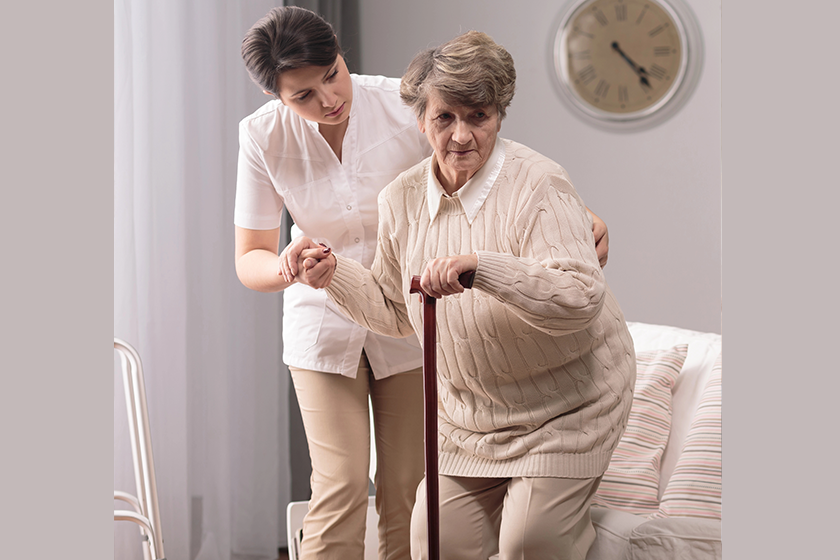
Caregivers play a crucial role in preventing falls among the elderly. They can assist with daily activities, ensure the home environment is safe, and encourage regular physical activity. Additionally, caregivers can help monitor medications and accompany seniors to medical appointments to discuss their fall risk with healthcare providers.
Supporting Independence
While it is important to take precautions to prevent falls, it is also crucial to support the independence of older adults. Encouraging them to remain active and engaged in their communities can help maintain their physical and mental health, reducing the risk of falls and hospitalization.
Conclusion
Falls and hospitalization in elderly is a significant concern, but with the right strategies and support, the risks can be minimized. By understanding the factors that contribute to falls and taking proactive measures, we can help older adults live safer, healthier lives.
FAQs
What are the main causes of falls in the elderly?
Falls in the elderly are often caused by a combination of factors, including age-related changes, chronic health conditions, and environmental hazards.
How can I make my home safer to prevent falls?
To make your home safer, consider installing grab bars in the bathroom, improving lighting, and removing tripping hazards such as loose rugs and clutter.
What role do caregivers play in fall prevention?
Caregivers can help prevent falls by assisting with daily activities, ensuring the home environment is safe, and encouraging regular physical activity for the elderly.
This article contains affiliate links. We may earn a commission at no extra cost to you.