


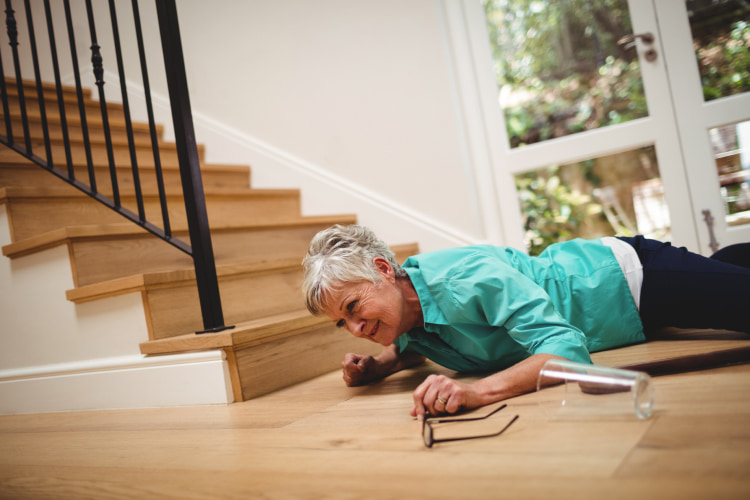
Falls are a common concern for the elderly, often leading to severe consequences such as head injuries. As we age, our balance, strength, and coordination may decline, increasing the risk of falls. Understanding the implications of head injuries from elderly falls is crucial for prevention and ensuring senior safety.
The Impact of Head Injuries Among the Elderly
Head injuries can range from mild concussions to more severe traumatic brain injuries (TBIs). For seniors, even a seemingly minor head injury can lead to significant health issues, affecting their overall well-being and independence. The recovery process can be prolonged, and in some cases, it can be life-threatening.
Statistics and Facts
According to the Centers for Disease Control and Prevention (CDC), falls are the leading cause of injury among older adults. Each year, millions of seniors experience falls, and a substantial number of these incidents result in head injuries. It’s crucial to note that not all falls result in injuries, but when they do, the consequences can be severe.
Causes of Elderly Falls
Several factors contribute to the increased risk of falls among seniors. These include muscle weakness, balance disorders, vision problems, and medications that affect coordination. Environmental hazards like slippery floors, poor lighting, and uneven surfaces can also contribute to falls.
Identifying Risk Factors
Recognizing risk factors is essential for preventing falls. Some of these factors include age-related changes, chronic health conditions, and certain medications. Additionally, lifestyle factors such as lack of physical activity and poor nutrition can increase the likelihood of falls.
Preventive Measures
Preventing falls and subsequent head injuries requires a proactive approach. Implementing safety measures at home, staying physically active, and regular health check-ups can significantly reduce the risk of falls. It’s also important to address any medical conditions that may affect balance and coordination.
Home Safety Tips
Home modifications can greatly reduce the risk of falls. Installing grab bars in bathrooms, ensuring adequate lighting, and removing tripping hazards are effective ways to make the home safer for seniors. Additionally, the use of fall detection devices can provide an added layer of security.
The Role of Healthcare Professionals
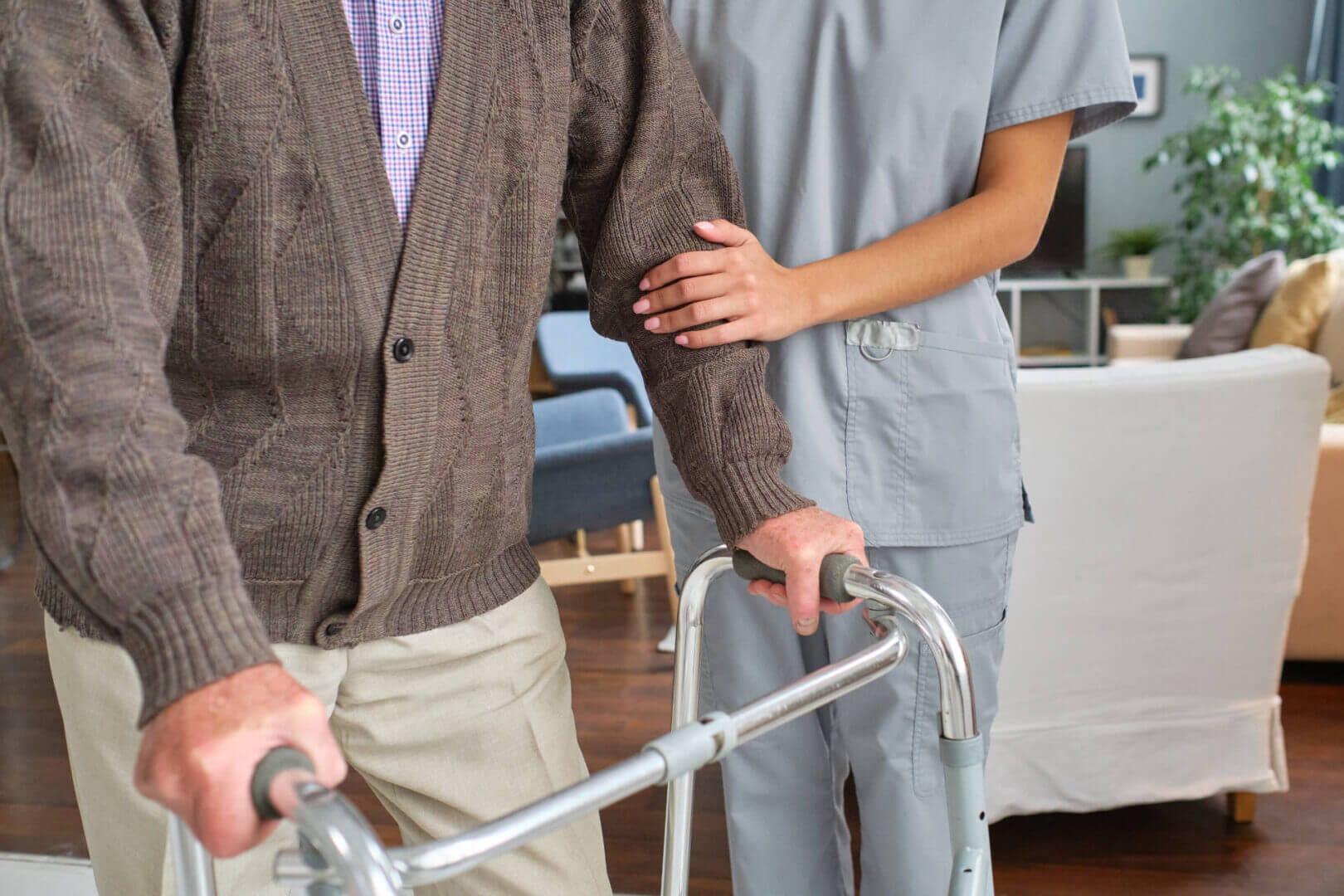
Healthcare professionals play a vital role in fall prevention. They can assess an individual’s risk factors, recommend appropriate interventions, and provide guidance on lifestyle changes that promote safety. Regular consultations with healthcare providers can help seniors maintain their health and independence.
Physical Therapy and Exercise
Engaging in regular physical activity can enhance balance and strength, reducing the risk of falls. Physical therapy can be particularly beneficial for seniors with mobility issues, as it focuses on improving movement and coordination.
Technology and Fall Prevention
Innovations in technology have led to the development of devices designed to prevent falls and alert caregivers in case of an incident. Non-wearable systems and devices with GPS tracking are becoming increasingly popular among seniors and their families.
Choosing the Right Devices
When selecting fall detection devices, it’s important to consider the individual’s needs and lifestyle. Some devices offer advanced features, while others focus on simplicity and ease of use. Devices for night use and systems that do not require subscriptions can be particularly beneficial.
Community Support and Resources
Community programs and resources can provide valuable support for seniors and their families. Organizations like the National Council on Aging offer information and resources on fall prevention and safety for older adults.
Engaging in Community Activities
Participating in community activities can improve physical and mental health, reducing the risk of falls. These activities often include exercise classes, social events, and educational workshops focused on health and safety.
Understanding the Recovery Process
Recovery from head injuries can be a lengthy and challenging process. It often requires medical intervention, rehabilitation, and ongoing support. Understanding the recovery process and setting realistic expectations is crucial for both seniors and their caregivers.
Long-Term Care Considerations
In some cases, head injuries from falls may lead to the need for long-term care. This can include in-home care, assisted living, or nursing home facilities. It’s important to explore all options and choose the best care setting for the individual’s needs.
Conclusion
Preventing head injuries from elderly falls requires a combination of awareness, proactive measures, and community support. By understanding the risks and taking appropriate steps, seniors can maintain their independence and quality of life. For more information on fall prevention, visit Physio-pedia.
FAQs
What are the most common causes of falls in the elderly?
Common causes include muscle weakness, balance disorders, vision problems, and environmental hazards such as slippery floors and poor lighting.
How can technology help prevent falls?
Technology offers devices like fall detection systems and GPS tracking to alert caregivers and provide immediate assistance in case of a fall.
What should be done if an elderly person suffers a head injury from a fall?
Seek immediate medical attention, even if the injury seems minor. Early intervention is crucial for preventing complications and ensuring proper treatment.
This article contains affiliate links. We may earn a commission at no extra cost to you.