

As the population ages, more families are exploring home care for seniors as a way to support loved ones who wish to remain in their own homes. This approach emphasizes safety, independence, and comfort, allowing older adults to maintain familiar routines while receiving the assistance they need. Understanding the range of available services, how to assess individual needs, and the best practices for creating a secure environment can make a significant difference in quality of life.
Whether you are a family caregiver, a senior planning for the future, or simply seeking information, this article outlines the essential components of in-home support, practical safety strategies, and resources to help older adults thrive. For those interested in broader wellness topics, our guide to senior wellness offers additional insights into maintaining health and vitality.

Understanding In-Home Support for Older Adults
The concept of home care for seniors covers a broad spectrum of services designed to help older adults live safely and comfortably at home. These offerings range from basic companionship to skilled nursing, and can be tailored to meet changing needs over time.
- Personal care: Assistance with bathing, dressing, grooming, and toileting.
- Household help: Light housekeeping, laundry, meal preparation, and grocery shopping.
- Health-related services: Medication reminders, monitoring vital signs, and coordinating medical appointments.
- Companionship: Social interaction, conversation, and engagement in hobbies or activities.
- Specialized care: Support for chronic conditions such as dementia, mobility challenges, or recovery after surgery.
Many families choose to combine informal support from relatives with professional caregivers, creating a flexible plan that adapts as circumstances change. It’s important to regularly assess needs and communicate openly with all involved parties.
Key Safety Strategies for Aging in Place
Safety is a top concern for anyone considering aging at home. Falls, medication errors, and household hazards can pose serious risks. Fortunately, there are practical steps to minimize these dangers and promote a secure environment.
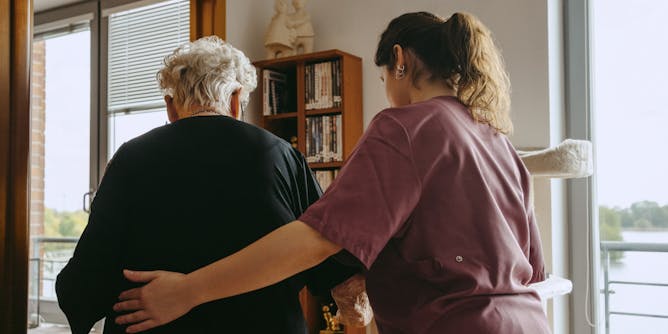
Fall Prevention and Home Modifications
Simple changes can dramatically reduce the risk of falls. Remove loose rugs, secure electrical cords, and install grab bars in bathrooms. Adequate lighting is essential—consider adding night lights in hallways and bedrooms. For those with mobility issues, ramps and stairlifts may be necessary.
For more comprehensive advice, the National Fire Protection Association’s home safety tips for older adults provide valuable guidance on preventing accidents and responding to emergencies.
Medication Management and Health Monitoring
Keeping track of medications can be challenging, especially for seniors managing multiple prescriptions. Use pill organizers, set reminders, and maintain an up-to-date list of all medications. Some home care agencies offer medication management as part of their services, ensuring correct dosages and timely refills.
Regular health monitoring, such as checking blood pressure or blood sugar, helps catch potential issues early. Family members or caregivers should be trained to recognize warning signs and know when to seek medical attention.
Choosing the Right Support Services
Selecting appropriate assistance depends on the individual’s health, preferences, and budget. Start by evaluating daily routines and identifying areas where help is needed most. Consult with healthcare providers, social workers, or geriatric care managers for professional assessments.

Types of Home-Based Assistance
- Non-medical caregivers: Help with daily activities, companionship, and household chores.
- Home health aides: Provide personal care and basic health services under supervision.
- Skilled nursing: Registered nurses deliver medical care such as wound management, injections, or rehabilitation.
- Therapists: Physical, occupational, or speech therapists assist with recovery and maintaining function.
It’s important to verify credentials, check references, and ensure clear communication between the care team, the senior, and family members. Many agencies offer flexible scheduling and can adjust services as needs evolve.
Balancing Independence and Support
The goal of in-home assistance is to empower older adults to remain as independent as possible. Encourage participation in decision-making and respect personal preferences. Technology can also play a role—medical alert systems, smart home devices, and remote monitoring tools add extra layers of security and peace of mind.
For those seeking tips on maintaining autonomy, our senior independence guide explores practical ways to support self-reliance while ensuring safety.
Enhancing Quality of Life Through Home Care
Beyond meeting basic needs, quality home care for seniors should address emotional well-being, social connection, and opportunities for meaningful activity. Loneliness and isolation can negatively impact health, so regular visits from caregivers, friends, or volunteers are essential.
- Encourage participation in hobbies, games, or light exercise.
- Arrange transportation for outings, appointments, or social events.
- Foster connections with family and community, whether in person or through technology.
- Support healthy routines, including balanced meals and regular physical activity.
For more ideas on active living, see our article on senior lifestyle and discover ways to create a fulfilling daily routine at home.
Frequently Asked Questions
What services are typically included in home care for older adults?
In-home support can include personal care (bathing, dressing), household help (cleaning, cooking), health monitoring, companionship, and specialized care for chronic conditions. The exact mix depends on individual needs and preferences.
How can families ensure a safe home environment for seniors?
Key steps include removing tripping hazards, installing grab bars, improving lighting, and using assistive devices like bed exit alarms or motion sensor night lights. Regular assessments and open communication help address new risks as they arise.
How do I choose a reputable home care provider?
Look for agencies with proper licensing, trained staff, and positive reviews. Ask for references, clarify services and costs, and make sure caregivers are a good fit for your loved one’s personality and needs.
Are there resources for improving senior safety at home?
Yes, organizations like the National Fire Protection Association offer detailed safety checklists and emergency planning guides tailored for older adults.
Conclusion
Choosing the right mix of support and safety strategies enables older adults to enjoy the comfort of home while minimizing risks. By staying informed about available services, making thoughtful home modifications, and fostering social connections, families can help seniors age with dignity and confidence. For additional tips on staying active, our senior fitness routines article provides practical exercises and movement ideas suitable for all ability levels.