

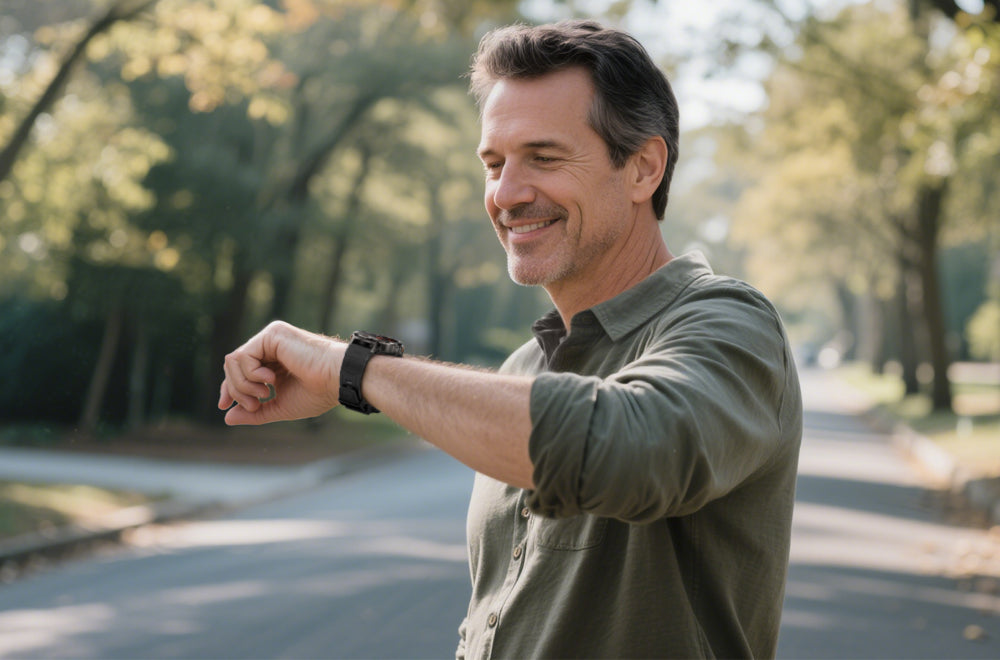
In today’s fast-paced world, technology is reshaping the way we approach healthcare, especially for seniors. One of the most significant advancements in this domain is the use of smartwatches. These devices are not just for tracking steps or monitoring heart rates; they are becoming pivotal in supporting senior rehabilitation. In this article, we will delve into how smartwatches are revolutionizing rehabilitation for seniors, enhancing their quality of life, and providing peace of mind for their families.
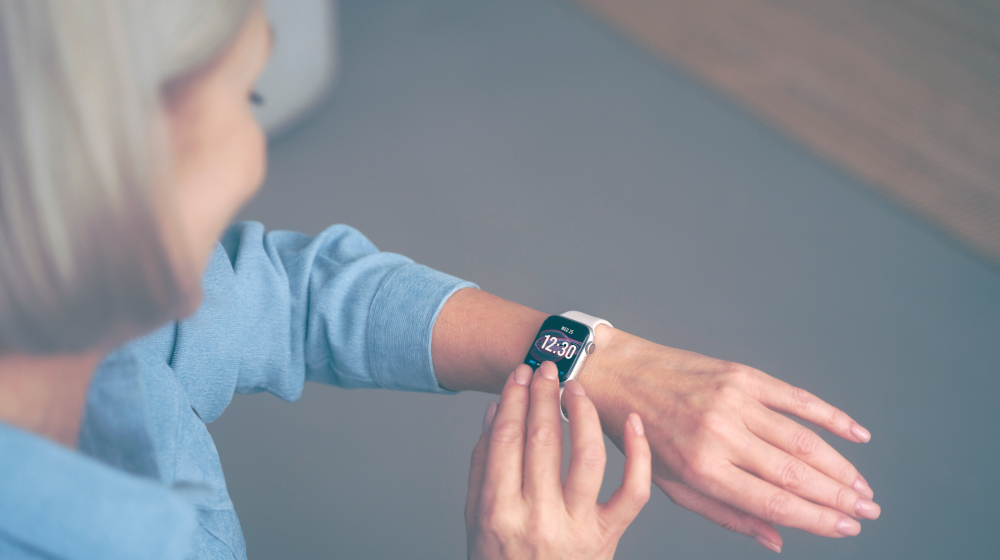
The Role of Smartwatches in Senior Care
Smartwatches are no longer just trendy gadgets for the young. They have become vital tools in healthcare, particularly in senior rehabilitation. These devices offer a range of features that can significantly aid in the recovery and well-being of seniors. From monitoring vital signs to sending alerts, the benefits are profound.
Monitoring Vital Signs
One of the primary functions of a smartwatch is the ability to monitor vital signs. This includes heart rate, blood pressure, and even oxygen levels. For seniors undergoing rehabilitation, keeping track of these metrics can be crucial. It allows healthcare providers to adjust treatment plans based on real-time data, ensuring a tailored approach to recovery.
Real-time Data Transmission
Modern smartwatches have the capability to transmit data in real-time to healthcare providers. This is especially beneficial for seniors who may have mobility issues or live in remote areas. With real-time data, doctors and caregivers can make immediate decisions, potentially preventing complications.
Fall Detection and Prevention
Falls are a significant concern for seniors, especially during rehabilitation. Many smartwatches come equipped with fall detection technology. If a fall is detected, the device can send an alert to designated contacts or emergency services. This feature not only provides a safety net but also encourages independence among seniors.
Encouraging Independence
While safety is a priority, it is equally important to promote independence in seniors. Knowing that help is just a button away allows seniors to engage in daily activities without constant supervision, boosting their confidence and quality of life.
Medication Reminders
Adherence to medication schedules is crucial in senior rehabilitation. Smartwatches can be programmed to provide reminders, ensuring that seniors take their medications on time. This feature reduces the risk of missed doses and enhances the effectiveness of treatment plans.
Tracking Physical Activity
Physical activity is a cornerstone of rehabilitation. Smartwatches track steps, monitor exercise routines, and even offer guided workouts tailored for seniors. By keeping track of their physical activity, seniors can stay motivated and on track with their rehabilitation goals.
Guided Workouts
Some smartwatches offer guided workouts specifically designed for seniors. These workouts take into consideration the unique needs and limitations of older adults, ensuring that they engage in safe and effective exercises.
Mental Health Support
Mental well-being is as important as physical health. Many smartwatches now include features like mindfulness exercises, breathing techniques, and relaxation reminders. These tools can be invaluable in reducing stress and anxiety, promoting a holistic approach to rehabilitation.
Connectivity and Communication
Staying connected with family and healthcare providers is vital for seniors. Smartwatches facilitate easy communication through calls, texts, and even video chats. This connectivity ensures that seniors are never isolated, providing reassurance to both them and their loved ones.
Challenges and Considerations
While the benefits of smartwatches in senior rehabilitation are numerous, there are challenges to consider. These include the cost of devices, the need for internet connectivity, and ensuring that seniors are comfortable using the technology.
Cost and Accessibility
The cost of smartwatches can be a barrier for some seniors. However, there are budget-friendly options available that offer essential features. It’s crucial to find a device that fits both the budget and the specific needs of the senior. For more options, you can explore affordable smartwatch brands specifically designed for older adults.
User-Friendliness
Ensuring that seniors can easily use their smartwatch is paramount. Devices with simple interfaces, larger screens, and clear instructions can make a significant difference. It’s important to select a device that aligns with the senior’s comfort level with technology. For options that emphasize ease of use, consider comfortable smartwatches that are designed with seniors in mind.
Conclusion
The integration of smartwatches in senior rehabilitation is proving to be a game-changer. These devices offer a blend of safety, connectivity, and health monitoring, making them indispensable in modern rehabilitation plans. As technology continues to evolve, the potential for smartwatches to further enhance senior care will only grow, promising a brighter, more independent future for our elderly population.

FAQs
How do smartwatches help in fall detection?
Smartwatches use accelerometers and gyroscopes to detect sudden changes in movement, indicative of a fall. When a fall is detected, the device can alert emergency contacts or services.
Are there budget-friendly smartwatches for seniors?
Yes, there are many affordable options available that offer essential features for seniors. For more information, you can check out budget-friendly smartwatches suitable for seniors.
Can smartwatches track medication schedules?
Yes, many smartwatches have features that allow users to set reminders for medication, ensuring adherence to prescribed schedules.
For further insights on the benefits and implications of smartwatches in healthcare, you can explore this detailed study on the topic.
This article contains affiliate links. We may earn a commission at no extra cost to you.