


In today’s world, having a photo ID is essential for numerous activities, from opening a bank account to receiving healthcare services. However, the process can be challenging for elderly individuals who may face unique obstacles. This article aims to guide you through the necessary steps on how to get photo ID for the elderly, ensuring they can enjoy their rights and privileges.
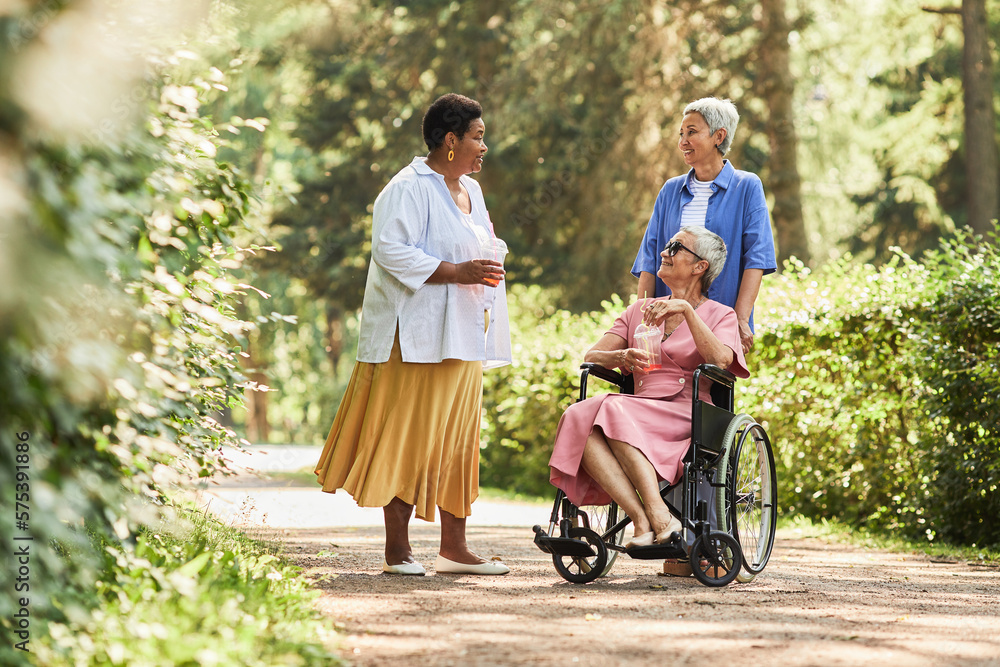
Why Photo ID is Important for Elderly Individuals
A photo ID serves as a crucial form of identification, especially for elderly individuals. It enables them to prove their identity, access benefits, and engage in various essential activities. Without a valid ID, seniors might face difficulties in accessing services that enhance their quality of life.
Challenges in Obtaining Photo ID for the Elderly
There are several challenges that seniors encounter when trying to obtain a photo ID. These include mobility issues, lack of required documents, or even difficulty in understanding the process. By understanding these challenges, we can find practical solutions to overcome them.
Overcoming Mobility Issues
For elderly individuals with mobility challenges, traveling to a government office to submit documents can be daunting. Many states offer mobile services or online submissions to accommodate these needs. Checking with local authorities for alternatives can ease this part of the process.
Gathering Necessary Documents
Having the required documents is crucial in the application process. Typically, this includes a birth certificate, proof of residency, and a social security card. If any documents are missing, arrangements with governmental bodies or alternative proofs may be necessary.
Step-by-Step Guide on How to Get Photo ID for Elderly Individuals
Step 1: Check Eligibility Requirements
Each state has its own rules for obtaining a photo ID. Ensuring that the elderly individual meets these is the first step. Understanding these criteria will prevent any unnecessary delay in the process.
Step 2: Collect Required Documents
Compile all necessary documents such as a government-issued ID, proof of residence, and social security card. It is helpful to have these organized before proceeding with the application process.
Step 3: Determine Application Method
Decide whether to apply in person, via mail, or online. Many states provide flexible options tailored to assist elderly individuals. Assess the easiest method for your situation.
Step 4: Complete the Application
Fill out the application form carefully. You can request assistance if filling it independently is challenging. Remember, accuracy is key to avoiding rejections!
Step 5: Submit the Application
Once completed, submit the application through the chosen method. Ensure that all documents are included and correct before submission.
Step 6: Wait for Processing
Processing times can vary. Patience during this waiting period is important. States typically provide estimated times, and tracking status online might be available.
Understanding State-Specific Processes for Senior Citizens
Each state in the U.S. has different requirements and processes for obtaining a photo ID for elderly individuals. Familiarize yourself with these state-specific guidelines through official government websites or local offices.
Reach Out for Assistance and Support
There are many organizations and community groups offering support and guidance to elderly individuals in need of a photo ID. Contacting them can provide additional help, whether it’s understanding forms or providing transportation.
FAQs on Photo ID for Elderly Individuals
Q1: What options exist if the elderly individual cannot travel?
A1: Some states offer online or mobile services, eliminating the need to travel. Alternatively, loved ones can inquire about power of attorney options or seek community group assistance.
Q2: How can missing documents be obtained?
A2: If crucial documents like a birth certificate are missing, visit or contact the issuing department. They might offer replacements or suggest alternative documentation.
Q3: Are there any fees involved in obtaining a photo ID?
A3: Yes, there usually are transaction fees, but they may be waived or reduced for elderly individuals/low-income seniors. Always check with the local DMV office.
Conclusion
Acquiring a photo ID for the elderly shouldn’t be stressful or cumbersome. Proper guidance and understanding of the process can significantly simplify obtaining an ID, allowing them to partake actively in society and access necessary benefits.
For additional advice and strategies on supporting seniors, feel free to visit a comprehensive guide on ways to care for elderly at home. It’s an excellent resource for staying informed on senior caregiving.
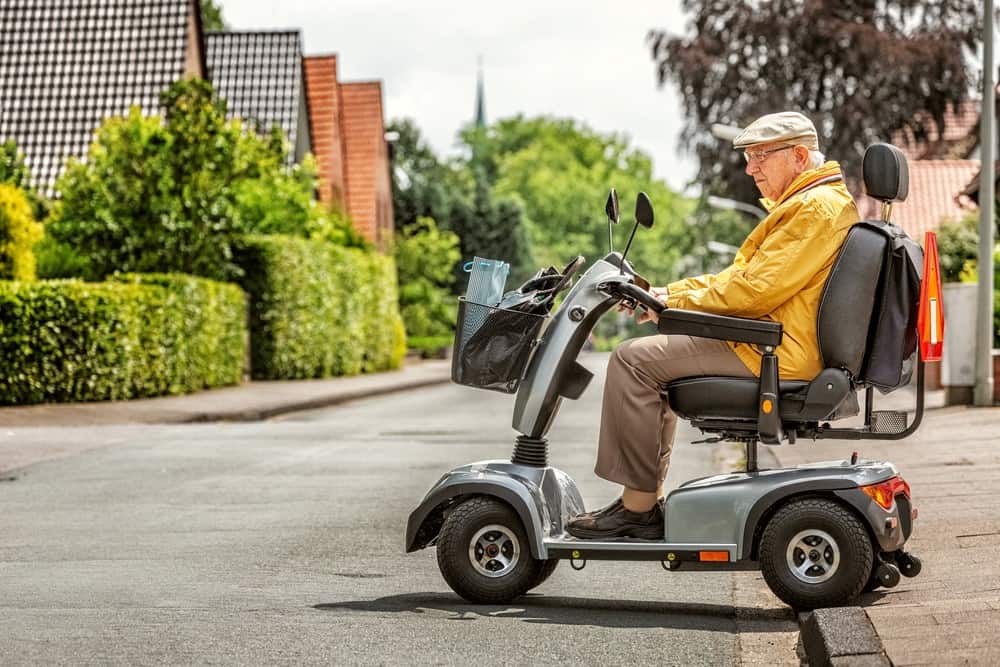
Stay supported, and ensure those who built our world remain actively engaged and empowered!
This article contains affiliate links. We may earn a commission at no extra cost to you.