

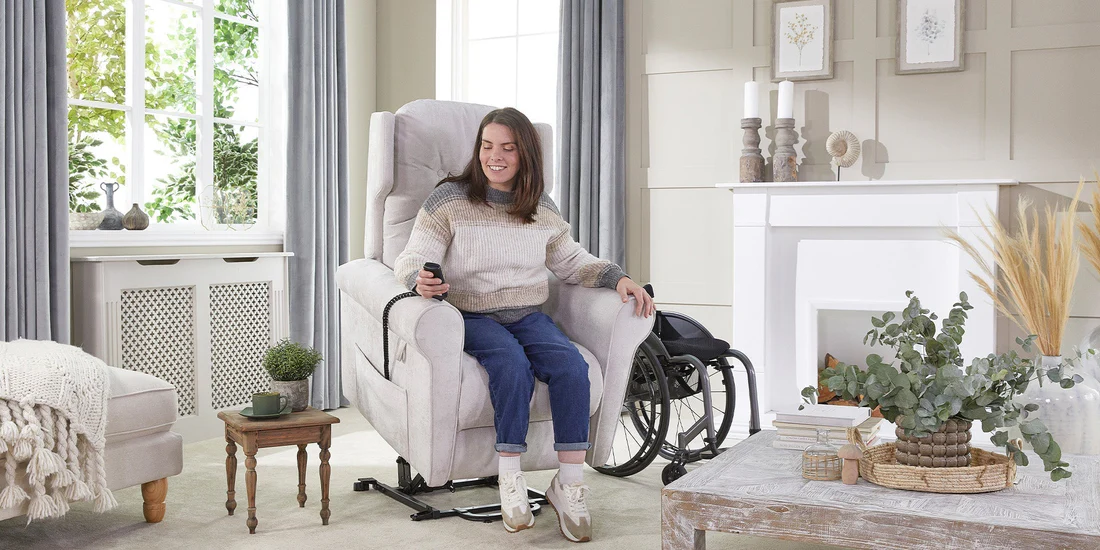
Recliners can offer significant relief for those dealing with back discomfort, but only when used with the right posture and adjustments. Many people assume that simply leaning back in a comfortable chair is enough, yet improper positioning can actually worsen pain or lead to new issues. Understanding how to sit in a recliner with back pain—using supportive techniques and mindful adjustments—can make a noticeable difference in daily comfort and spinal health.
This article explores the best practices for using a reclining chair if you experience back problems. We’ll cover posture tips, ergonomic adjustments, and additional strategies to help you get the most out of your chair without aggravating your symptoms. If you’re interested in learning about the benefits of a high backrest for seniors, you’ll find that choosing the right support can further enhance your experience.
Why Recliners Can Help With Back Discomfort
Reclining chairs are popular for their ability to reduce pressure on the spine and promote relaxation. When used correctly, they can:
- Distribute body weight more evenly, minimizing stress on the lower back
- Allow for customizable positioning, which can relieve muscle tension
- Support the natural curve of the spine, especially with high-back or ergonomic models
- Encourage circulation by elevating the legs and reducing swelling
However, not all recliners are created equal. Features such as lumbar support, adjustable headrests, and firm cushions can make a significant difference. For those interested in maximizing comfort and support, exploring the advantages of electric lift recliners can be worthwhile.
Steps for Sitting Comfortably in a Recliner With Back Pain
Achieving proper posture in a reclining chair involves more than just sitting down and leaning back. Here are practical steps to help you use your recliner in a way that supports your back:
1. Choose the Right Recliner for Your Needs
Select a chair that fits your body size and offers adequate lumbar support. A high backrest, firm cushioning, and adjustable features are essential for those with chronic discomfort. If you’re unsure, try out different models and look for chairs that keep your hips and knees level or slightly elevated.
2. Adjust the Chair Before Sitting Down
Before you sit, ensure the footrest is down and the backrest is in an upright or slightly reclined position. This makes it easier to get in and out of the chair safely, especially for seniors or those with mobility issues.

3. Sit Down With Care and Align Your Body
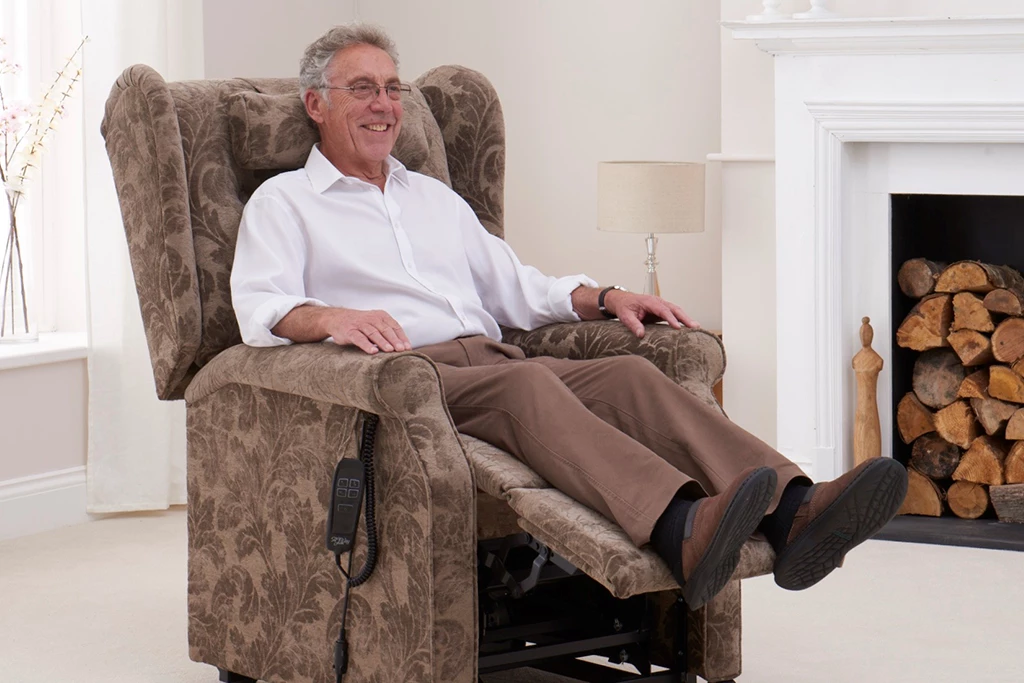
Lower yourself slowly into the seat, using the armrests for support. Make sure your hips are positioned at the back of the chair and your lower back is in contact with the lumbar cushion. Avoid slouching or sitting on the edge, as this can strain the spine.
4. Recline Gradually to Find Your Optimal Angle
Once seated, gently recline the backrest until you find a position that feels comfortable and reduces pressure on your lower back. For many people, a semi-reclined angle (about 110–130 degrees) is ideal. Your feet should rest comfortably on the footrest, with knees slightly bent and not locked.
5. Use Pillows or Cushions for Extra Support
If your chair lacks built-in lumbar support, place a small cushion or rolled towel behind your lower back. You can also use a pillow under your knees to help maintain the natural curve of your spine and reduce tension in the lower back.
Maintaining Good Posture in a Recliner
Even in a supportive chair, it’s important to remain mindful of your posture. Here are some tips to help you maintain healthy alignment while relaxing:
- Keep your shoulders relaxed and avoid hunching forward
- Ensure your head is supported and not tilted forward or to the side
- Change positions periodically to prevent stiffness and promote circulation
- Stand up and stretch every 30–60 minutes if possible
For those who notice their recliner squeaks or shifts, addressing these issues can also improve comfort. Practical advice on how to fix a squeaky recliner chair can help you maintain a supportive and quiet environment.
Additional Tips for Back-Friendly Recliner Use
Beyond posture, several other factors can influence your comfort and spinal health when using a reclining chair:
- Floor Protection: Use mats or pads under heavy recliners to prevent floor damage and ensure stability. For more, see how to protect floors from heavy recliners.
- Chair Placement: Position your recliner so you have enough space to fully extend without straining to reach tables or lamps. Learn about how to position a recliner in a small room for optimal comfort.
- Routine Maintenance: Keep your chair in good working order by checking for loose bolts, worn cushions, or malfunctioning mechanisms. This ensures consistent support and safety.
- Battery Backup: If you use a lift recliner, ensure the backup battery is functional. Guidance on how to replace a lift chair backup battery can be helpful for uninterrupted use.
Frequently Asked Questions
What Is the Best Reclining Angle for Lower Back Pain?
Most people find that a semi-reclined position—where the backrest is tilted between 110 and 130 degrees—offers the best support for the lower back. This angle reduces pressure on the discs and allows the spine to relax naturally.
Should I Use a Lumbar Pillow in My Recliner?
Yes, if your chair does not provide adequate lumbar support, a small pillow or rolled towel behind your lower back can help maintain the spine’s natural curve and prevent slouching.
How Often Should I Change Positions While Sitting?
It’s recommended to shift your position or stand up at least every 30 to 60 minutes. This helps prevent stiffness, encourages circulation, and reduces the risk of developing new aches or pressure points.
Can Recliners Worsen Back Pain?
If used incorrectly or if the chair lacks proper support, a recliner can contribute to poor posture and discomfort. Always ensure your chair fits your body and provides adequate lumbar and neck support.
Are Electric Lift Recliners Better for People With Mobility Issues?
Electric lift recliners can make it easier to get in and out of the chair, reducing strain on the back and joints. They are especially helpful for seniors or those with limited mobility.
By following these practical tips and making thoughtful adjustments, you can enjoy the benefits of your reclining chair while minimizing discomfort and supporting your back health.