

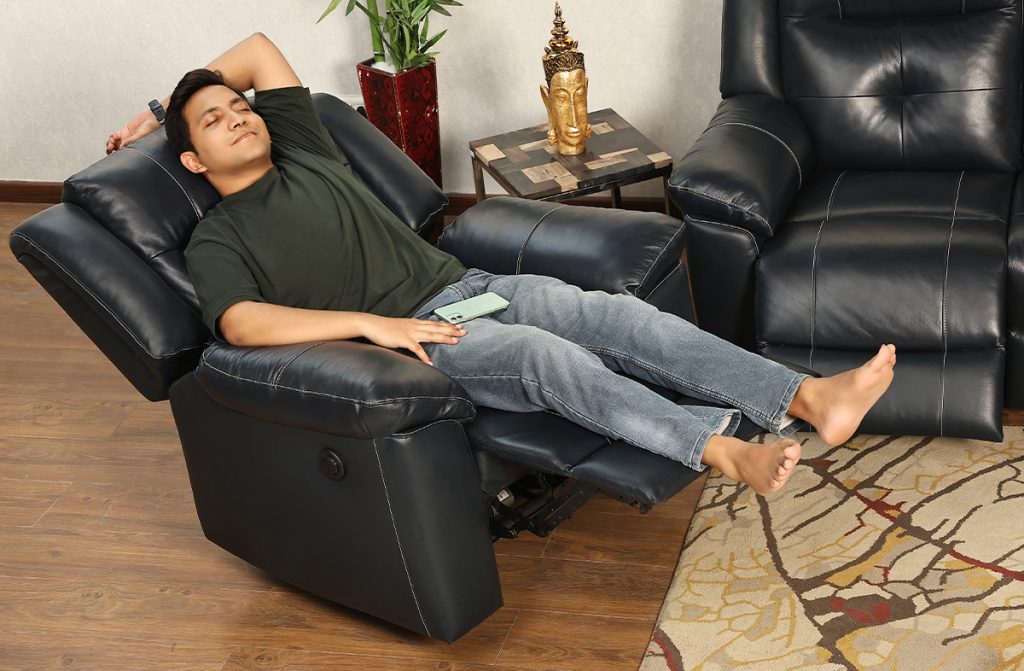
As people age, their skin becomes thinner, more sensitive, and prone to irritation. Choosing the right materials for clothing and furniture coverings can make a significant difference in daily comfort and skin health. One of the most important considerations is the use of breathable fabrics, which allow air to circulate and help regulate temperature and moisture. This article explores why these materials are especially beneficial for seniors, how they support skin wellness, and what to look for when selecting products designed for older adults.
Alongside fabric choices, the design and support of furniture also play a role in overall comfort. For example, the benefits of a high backrest for seniors include improved neck support and posture, which can further enhance well-being when paired with the right upholstery.
Why Airy Materials Matter for Senior Skin
The skin’s ability to retain moisture and protect itself diminishes with age. Seniors are more likely to experience dryness, itching, and pressure sores, especially if they spend extended periods sitting or reclining. Breathable fabrics for elderly skin help mitigate these issues by allowing heat and moisture to escape, reducing the risk of irritation and discomfort.
Materials that trap sweat or heat can exacerbate skin problems, leading to rashes or even infections. By contrast, textiles that encourage airflow keep the skin cooler and drier, creating a healthier environment for fragile skin.
Key Advantages of Breathable Fabrics for Comfort and Health
There are several notable benefits to using breathable materials in clothing, bedding, and furniture for older adults:
- Temperature Regulation: Airy textiles help maintain a comfortable body temperature, preventing overheating and night sweats.
- Moisture Management: These fabrics wick away perspiration, keeping the skin dry and reducing the risk of fungal or bacterial growth.
- Reduced Skin Irritation: Soft, ventilated materials minimize friction and pressure, lowering the chance of chafing or sores.
- Enhanced Comfort: Lightweight and flexible, breathable fabrics adapt to movement and feel less restrictive, which is especially important for those with limited mobility.
- Allergy Relief: Natural, airy fibers are less likely to harbor dust mites or allergens, supporting respiratory health.
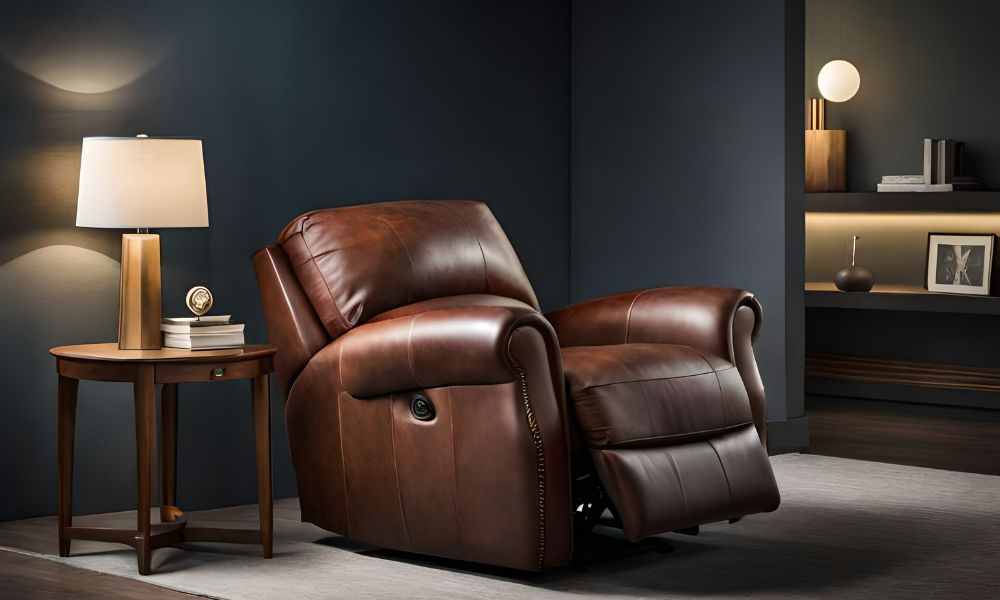
Types of Breathable Fabrics Ideal for Seniors
Not all textiles offer the same level of ventilation. When choosing products for older adults, consider the following options known for their breathability and skin-friendly properties:
- Cotton: A classic choice, cotton is soft, absorbent, and allows air to flow freely. It’s suitable for clothing, sheets, and upholstery.
- Linen: This natural fiber is exceptionally breathable and dries quickly, making it perfect for warm climates or those prone to sweating.
- Bamboo: Bamboo-based textiles are hypoallergenic, moisture-wicking, and gentle on sensitive skin.
- Modal and Tencel: These modern fibers, derived from wood pulp, combine softness with excellent airflow and moisture control.
- Mesh and Technical Fabrics: Used in some recliners and mobility aids, these materials are engineered for maximum ventilation and comfort.
When selecting furniture or clothing, always check the product label for fabric content and prioritize those that highlight breathability and softness.
Choosing Recliners and Seating with Breathable Upholstery
Seniors often spend significant time seated, so the choice of upholstery can impact both comfort and skin health. Recliners with breathable coverings help prevent heat buildup and sweating, which is especially important for those with limited mobility or who are at risk of pressure ulcers.
Features to look for in senior seating include:
- Removable and washable covers for easy cleaning and hygiene.
- Soft, non-abrasive surfaces that minimize skin friction.
- Ventilated foam or mesh panels to promote airflow.
- Supportive cushioning that distributes weight evenly and reduces pressure points.
For more insights on the advantages of reclining furniture for seniors, you can explore this detailed guide on health benefits of reclining chairs for seniors.

Practical Tips for Maintaining Breathable Fabrics
To maximize the benefits of breathable fabrics for elderly skin, proper care is essential. Here are some maintenance tips:
- Wash regularly using gentle, fragrance-free detergents to avoid residue that can irritate sensitive skin.
- Avoid fabric softeners, which can coat fibers and reduce airflow.
- Dry thoroughly to prevent mold or mildew, especially with thicker materials.
- Inspect for wear and replace items that become rough or lose their softness.
For those who want to keep their living space in top shape, learning how to fix a squeaky recliner chair can further enhance comfort and prolong the life of your furniture.
Additional Considerations for Senior Well-Being
While breathable textiles are a cornerstone of comfort, other factors also contribute to a healthier environment for seniors:
- Room ventilation: Ensure living areas are well-aired to complement the effects of breathable materials.
- Layering: Use lightweight layers that can be added or removed to adjust warmth without sacrificing airflow.
- Skin care routines: Regular moisturizing and gentle cleansing help maintain skin integrity.
- Furniture placement: Position recliners and chairs away from direct heat sources to avoid excessive warmth.
For those setting up a new space, you may also find it helpful to read about how to position a recliner in a small room to maximize both comfort and accessibility.
Frequently Asked Questions
What are the best fabrics for elderly individuals with sensitive skin?
The top choices include cotton, linen, bamboo, and modal. These materials are soft, allow air to circulate, and are less likely to cause irritation or allergic reactions. Always check for labels indicating hypoallergenic or dermatologically tested fabrics.
How do breathable fabrics help prevent pressure sores?
By allowing heat and moisture to escape, these textiles keep the skin dry and cool. This reduces the risk of skin breakdown and pressure ulcers, especially for seniors who spend long periods sitting or lying down.
Can I use breathable covers on recliners and mobility aids?
Yes, many modern recliners and mobility aids offer removable, washable, and ventilated covers. These features not only improve comfort but also make it easier to maintain hygiene and prolong the life of the furniture.
Are synthetic fabrics suitable for seniors?
Some advanced synthetics, such as technical mesh or moisture-wicking blends, can be appropriate if they are designed for breathability and softness. However, avoid heavy or non-ventilated synthetics that may trap heat and sweat.
How often should I replace breathable fabric items for seniors?
Replace items when they become rough, lose their softness, or show signs of wear that could irritate the skin. Regular inspection and gentle care will help extend their lifespan.