

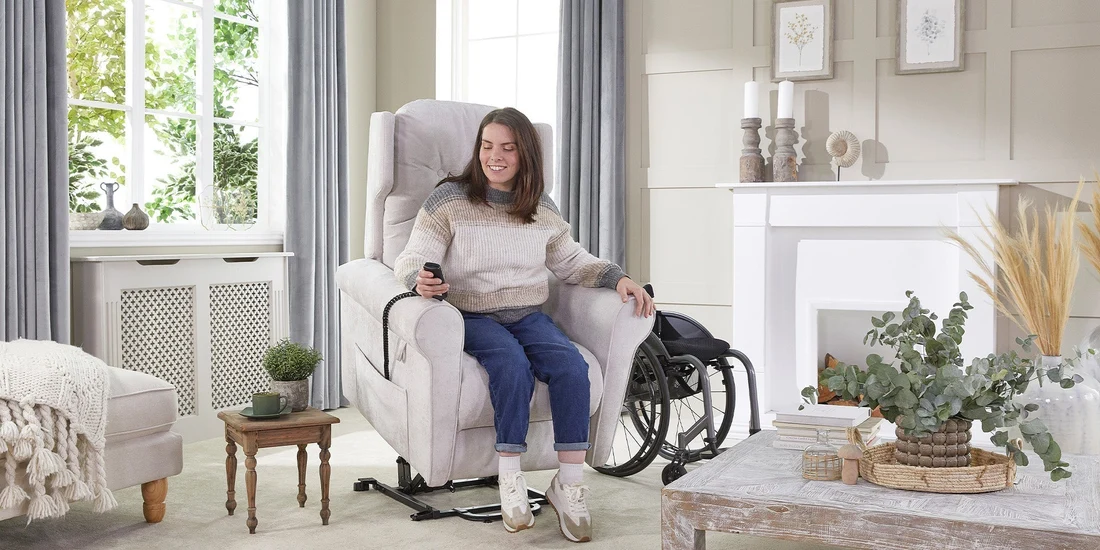
As people age, comfort and support become essential considerations when choosing furniture. Recliners designed for older adults often incorporate advanced materials to address specific needs, and memory foam has become a popular choice for enhancing both comfort and well-being. Understanding how this material works and why it matters can help families and caregivers make informed decisions for their loved ones.
This article explores the advantages of using memory foam in recliners for seniors, including improved pressure relief, support, and overall quality of life. Along the way, you’ll find practical tips, important considerations, and helpful resources—such as guidance on how to protect floors from heavy recliners—to ensure a safe and comfortable home environment.
Why Memory Foam Matters in Recliners for Older Adults
Memory foam is a viscoelastic material that responds to body heat and pressure, allowing it to mold to the shape of the user. This unique property makes it especially valuable in seating designed for seniors. Unlike traditional cushioning, memory foam offers a tailored fit that adapts to each individual’s body, helping to reduce discomfort and promote relaxation.
For those who spend extended periods sitting or resting in a recliner, pressure points can become a concern. Memory foam distributes weight more evenly, minimizing the risk of soreness or skin irritation. This can be particularly beneficial for individuals with limited mobility or those recovering from surgery.
Key Advantages of Memory Foam in Senior Recliners
Incorporating memory foam into recliners brings several notable benefits for older adults. Here are some of the most important ways it can improve daily comfort and health:
- Pressure Relief: Memory foam contours to the body, reducing pressure on sensitive areas such as the hips, back, and shoulders. This can help prevent the development of pressure sores and improve circulation.
- Enhanced Support: The adaptive nature of memory foam provides consistent support, helping to maintain proper posture and spinal alignment. This is crucial for seniors who may experience back pain or joint stiffness.
- Motion Absorption: Memory foam absorbs movement, which can be helpful for those who shift positions frequently or share their recliner with a pet or caregiver.
- Temperature Sensitivity: Many modern memory foams are designed to regulate temperature, keeping the seat comfortable throughout the year.
- Durability: High-quality memory foam retains its shape over time, ensuring that the recliner remains supportive and comfortable even with daily use.
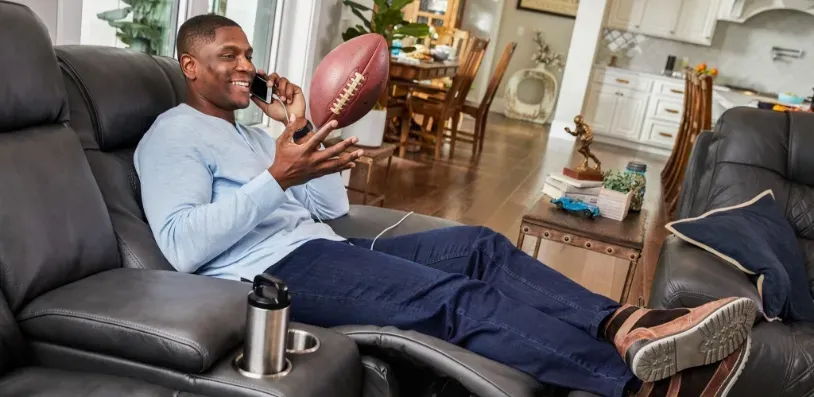
How Memory Foam Enhances Everyday Comfort
Daily comfort is about more than just softness. Memory foam’s ability to conform to the body means that seniors can enjoy longer periods of rest without feeling stiff or achy. This is especially important for those who use their recliner as a primary spot for reading, watching TV, or even napping.
The gentle support provided by memory foam can also help reduce the effort required to get in and out of a chair. This is a key consideration for anyone with mobility challenges or balance concerns. For those interested in maximizing safety and convenience, learning about signs a senior needs a lift chair can be helpful in determining when to upgrade to a more supportive seating solution.
Choosing the Right Recliner with Memory Foam
Not all recliners are created equal, and the quality of memory foam can vary significantly. When shopping for a recliner for an older adult, consider the following factors:
- Density and Thickness: Higher-density memory foam offers better support and longevity. Look for recliners that specify the foam’s density and thickness in their product descriptions.
- Breathability: Some memory foams include cooling gel or open-cell structures to improve airflow and prevent overheating.
- Ease of Cleaning: Removable and washable covers can make maintenance easier, especially for those with incontinence or other health concerns.
- Lift and Recline Features: For maximum independence, consider models with electric lift and recline mechanisms. These can make it easier for seniors to stand up safely and adjust their position with minimal effort. For more information on the advantages of these features, see this overview of electric lift recliner benefits.
- Size and Fit: Make sure the recliner is appropriately sized for the user. A chair that is too large or too small can reduce the effectiveness of memory foam cushioning.
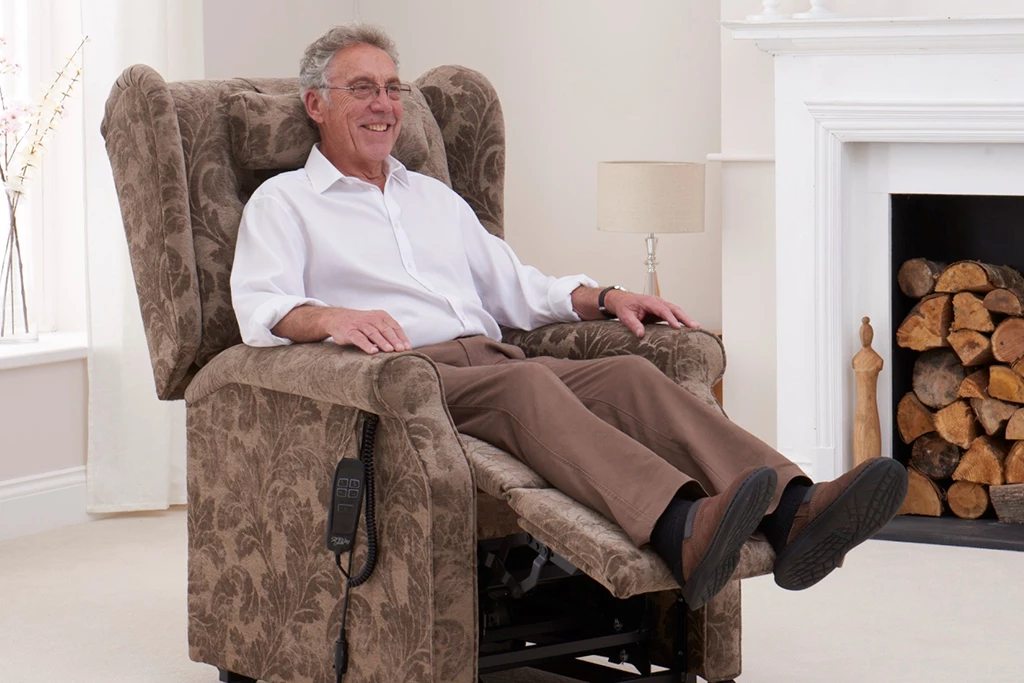
Practical Tips for Maintaining Memory Foam Recliners
To get the most out of a memory foam recliner, regular care is important. Here are some simple steps to keep your chair in top condition:
- Rotate and Fluff: If the recliner has removable cushions, rotate and fluff them periodically to maintain even wear.
- Clean Spills Promptly: Use a damp cloth and mild detergent to clean spills. Avoid soaking the foam, as excess moisture can damage the material.
- Protect Flooring: Recliners can be heavy, and movement may damage floors. Using felt pads or mats can help, and you can read more about how to protect floors from heavy recliners for additional tips.
- Check Mechanisms: Ensure that all moving parts are functioning smoothly. If you notice squeaks or resistance, you might find helpful advice in this guide on how to fix a squeaky recliner chair.
- Battery Backup: For electric recliners, keep an eye on the backup battery. Learn how to replace it with this step-by-step battery replacement guide.
Frequently Asked Questions
Is memory foam safe for seniors with allergies?
Most modern memory foams are hypoallergenic and resistant to dust mites, making them a good choice for individuals with allergies or sensitivities. However, it’s always wise to check product specifications and look for certifications if allergies are a concern.
How long does memory foam in a recliner typically last?
The lifespan of memory foam depends on its density and quality. High-density foam can last several years with regular use, while lower-density options may compress more quickly. Regular care and rotation can help extend the life of the cushioning.
Can memory foam recliners help with back pain?
Yes, the adaptive support of memory foam can help alleviate back pain by promoting proper spinal alignment and reducing pressure on the lower back. For best results, choose a recliner that fits the user’s body and provides adequate lumbar support.
Are there any downsides to memory foam in recliners?
Some users may find memory foam to be warmer than traditional cushioning, though many modern foams include cooling features. Additionally, very soft foams may not provide enough support for individuals who need firmer seating.
Conclusion
Memory foam has transformed the way recliners support and comfort older adults. By offering pressure relief, adaptive support, and long-lasting durability, it addresses many of the unique needs faced by seniors. When paired with thoughtful features and regular care, a memory foam recliner can make daily life more comfortable and enjoyable for years to come.
For those considering a new chair, it’s worth exploring the many options available and prioritizing quality materials. Whether you’re seeking relief from aches and pains or simply want a more relaxing place to unwind, memory foam can make a meaningful difference.