

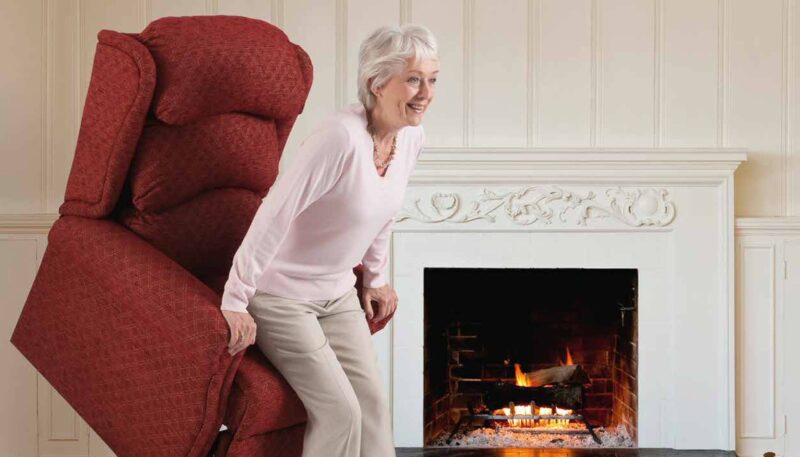
Choosing the optimal chair height is a crucial factor for older adults who want to maintain independence and comfort at home. The right seat height can make it much easier for seniors to sit down and, more importantly, stand up without unnecessary strain or risk of falls. Whether selecting a new recliner, riser chair, or everyday seating, understanding how to find the right seat height for seniors can greatly improve daily living and safety.
This guide covers the key considerations for determining the best seat height, practical measurement tips, and why proper chair selection matters for mobility and well-being. If you’re also interested in keeping your furniture in top condition, you may find these tips on how to clean microfiber recliner chairs helpful.
Why Proper Chair Height Matters for Older Adults
Selecting a seat that matches the user’s height and mobility needs is more than a matter of comfort. For seniors, the correct seat height can:
- Reduce the risk of falls by making standing up and sitting down easier and more stable.
- Minimize joint strain, especially in the knees and hips, which is important for those with arthritis or mobility challenges.
- Promote independence by allowing seniors to get up from their chairs without assistance.
- Support healthy posture and reduce fatigue during extended periods of sitting.
The benefits of riser recliners for seniors highlight how specialized seating can further enhance mobility and comfort.
Key Factors in Determining the Ideal Seat Height
Understanding how to find the right seat height for seniors involves considering several personal and environmental factors. Here are the most important aspects to keep in mind:
Leg Length and Body Proportions
The primary measurement for seat height is the distance from the floor to the back of the knee (popliteal height) when standing. This ensures that, when seated, the feet rest flat on the floor and the thighs are supported without pressure behind the knees.
Mobility and Strength
Seniors with limited leg strength or balance issues often benefit from slightly higher seats, as these reduce the effort needed to stand. However, if the seat is too high, feet may dangle, leading to discomfort and instability.
Type of Chair and Cushioning
The firmness of the seat and the type of chair (recliner, riser, standard armchair) will affect the effective seat height. Softer cushions compress under weight, lowering the seat, while firmer chairs maintain their height.
Flooring and Footwear
Consider the thickness of carpets or rugs and the type of shoes typically worn at home, as these can subtly alter the ideal measurement.

Step-by-Step Guide to Measuring for the Best Seat Height
To ensure a chair is easy to get out of, follow these steps for accurate measurement:
- Have the senior stand upright in their usual footwear, with feet flat on the floor and knees straight.
- Measure from the floor to the crease at the back of the knee. This is the recommended seat height.
- Test with a chair: Sit down and check that the feet are flat on the floor, thighs are parallel, and there is no excessive pressure behind the knees.
- Adjust as needed: If the chair is too low, consider adding a firm cushion or using a riser. If it’s too high, look for a lower seat or remove extra padding.
For most adults, the ideal seat height typically ranges from 16 to 19 inches (40 to 48 cm), but individual needs may vary. Always prioritize comfort and ease of movement over standard measurements.
Common Mistakes When Choosing Chair Height
Even with the best intentions, it’s easy to overlook important details. Here are some frequent errors to avoid:
- Ignoring individual measurements and relying solely on average seat heights.
- Choosing overly soft chairs that compress too much, making standing up harder.
- Forgetting to account for footwear or floor coverings that affect real-world seat height.
- Overlooking armrest height, which should allow for a natural push when standing.
For more on how chair design supports senior health, see the importance of lumbar support in senior chairs.
Features to Look for in Senior-Friendly Chairs
When shopping for new seating, look for features that make getting up and down safer and more comfortable:
- Adjustable seat height or riser mechanisms
- Firm, supportive cushions that don’t sink excessively
- Stable armrests for extra leverage when standing
- Non-slip feet to prevent sliding on smooth floors
- Wide, stable base for balance and safety
Some modern recliners and lift chairs are designed specifically for older adults, offering powered assistance and tailored ergonomics. For a comprehensive overview, check out this guide to reclining chairs for elderly users.

Tips for Maintaining Comfort and Safety Over Time
Even after selecting the best seat height, it’s important to regularly assess whether the chair still meets the user’s needs. Here are a few practical tips:
- Re-evaluate seat height if mobility or footwear changes.
- Check cushion firmness every few months, as materials can compress over time.
- Keep floors clear around the chair to prevent tripping hazards.
- Encourage regular movement to maintain strength and flexibility.
For those considering a new recliner, it’s helpful to review the benefits of recliners for seniors to make an informed choice.
Frequently Asked Questions
What is the best seat height for seniors to stand up easily?
The ideal seat height is typically the distance from the floor to the back of the knee when standing. This usually falls between 16 and 19 inches for most adults, but individual needs may vary. The goal is for feet to rest flat on the floor and for the user to rise without excessive effort.
How can I adjust an existing chair to make it easier for a senior to get up?
You can add a firm cushion or use a seat riser to increase the height. Ensure the cushion is stable and does not slide. If the chair is too high, consider removing thick cushions or replacing the chair with one that better matches the user’s measurements.
Are riser recliners a good option for seniors with limited mobility?
Yes, riser recliners are specifically designed to help users stand up and sit down safely. They often include powered lift mechanisms and ergonomic features tailored for older adults. For more details, see this overview on what is a lift chair recliner.