

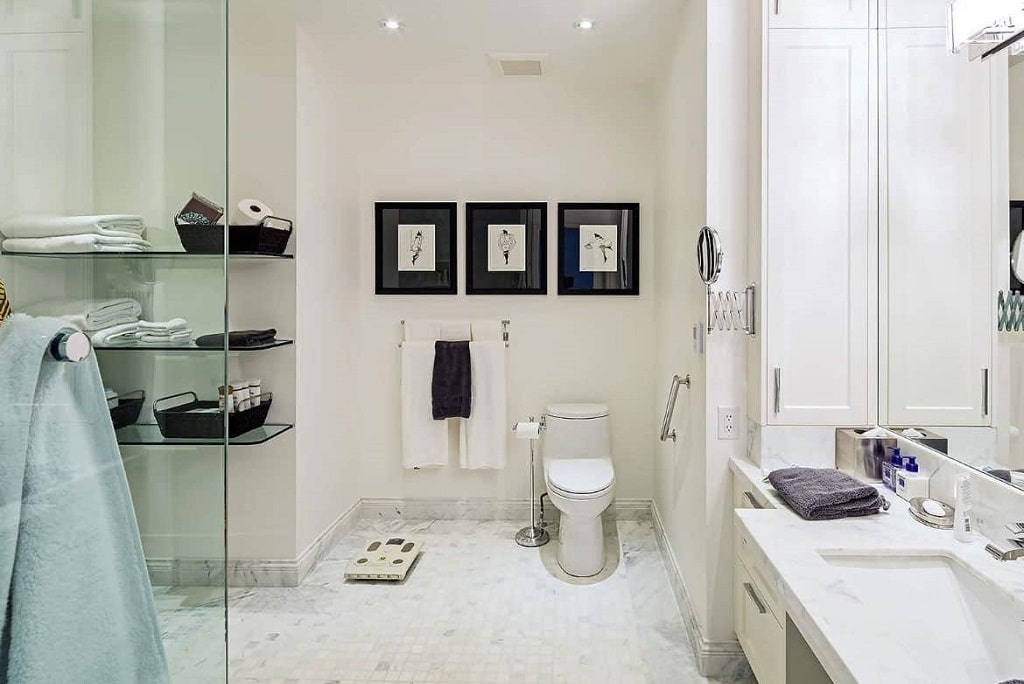
As our loved ones age, the importance of a safe and accessible living environment becomes paramount. One critical aspect often overlooked is the ease of using light switches accessible to seniors. These devices are not only about convenience but are pivotal for ensuring safety and independence for senior citizens.
With age, physical limitations can make even simple tasks like turning on a light challenging. Therefore, integrating light switches accessible to seniors into homes can significantly improve their quality of life. This article explores the various types of light switches suitable for seniors and offers insights into their benefits.
Understanding the Needs of Seniors
Before delving into the types of light switches, it is crucial to understand the specific needs of seniors. Aging often brings about challenges such as reduced mobility, diminished eyesight, and arthritis. These factors make traditional light switches difficult to use.
Accessible light switches are designed to cater to these needs by offering easy operation and requiring minimal physical effort. For more insights on making homes senior-friendly, consider checking out these bathroom safety tips for seniors.
Types of Light Switches for Seniors
Rocker Switches
Rocker switches are larger and easier to use than traditional toggle switches. Their broad surface allows seniors to turn the lights on or off with a simple press, reducing the need for fine motor skills.
Touch-Activated Switches
These switches require just a gentle touch to operate. They are ideal for seniors with arthritis or limited hand strength. The smooth operation ensures that seniors can manage lighting without any discomfort.
Motion Sensor Lights
Motion sensor lights automatically turn on when movement is detected. This feature is particularly beneficial in areas like bathrooms or hallways, providing light without requiring any manual operation. More about these can be found in motion sensor lights.
Installation and Maintenance
Installing accessible light switches should be done by a professional to ensure safety and effectiveness. Regular maintenance checks are recommended to ensure that the switches function correctly and provide the intended benefits.
Benefits of Accessible Light Switches
Increased Safety
By reducing the need for physical exertion, these switches decrease the risk of falls and accidents, which are common in senior households.
Enhanced Independence
Accessible light switches empower seniors to manage their lighting needs independently, fostering a sense of autonomy and confidence.
Energy Efficiency
Many modern light switches come with built-in energy-saving features, such as dimmers or timers, which can help reduce electricity bills.
Challenges in Implementing Accessible Solutions
Despite their benefits, there are challenges in integrating light switches accessible to seniors. Initial costs and the need for professional installation may deter some families. However, the long-term benefits often outweigh these initial hurdles.
Choosing the Right Light Switch
When selecting light switches, consider the specific needs of the senior and the layout of the home. Consulting with experts or occupational therapists can provide valuable insights into the most suitable options.
Real-Life Success Stories
Many families have reported significant improvements in their seniors’ quality of life after installing accessible light switches. Not only do these devices enhance safety, but they also contribute to the overall well-being of senior residents.
Additional Home Modifications for Seniors
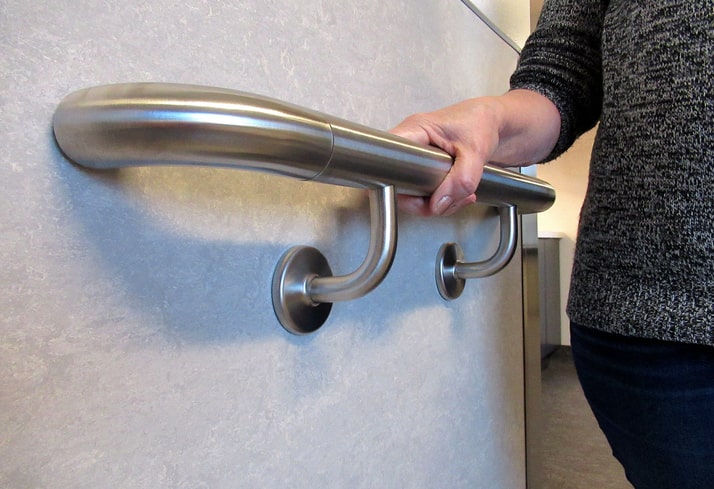
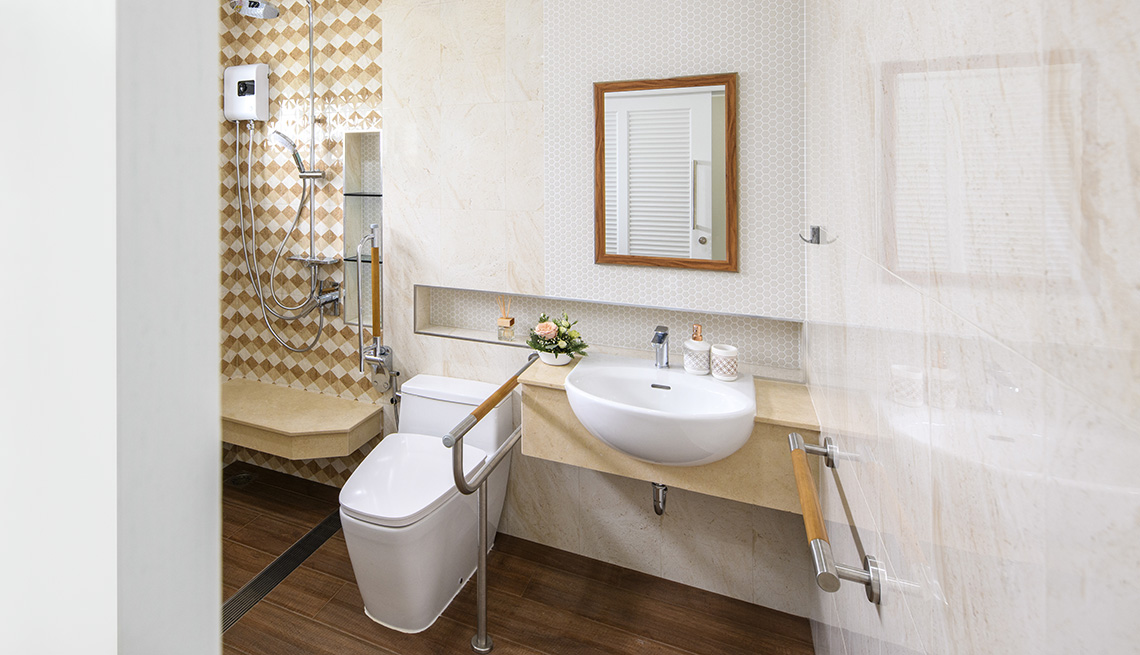
Besides light switches, other modifications can further enhance home safety. For instance, wall-mounted support bars provide stability, and improving bathroom visibility can prevent accidents.
Conclusion
Incorporating light switches accessible to seniors is a vital step towards creating a safe and comfortable living environment for elderly family members. By addressing their unique needs, these solutions not only enhance safety but also promote independence and dignity.
FAQ
Q: What are the best light switches for seniors with arthritis?
A: Touch-activated and rocker switches are ideal for seniors with arthritis as they require minimal physical effort to operate.
Q: Can motion sensor lights be used in all areas of the home?
A: Yes, they are versatile and can be installed in various locations, such as bathrooms, hallways, and outdoor areas to enhance safety.
Q: How often should accessible light switches be maintained?
A: Regular checks, ideally every six months, are recommended to ensure they are functioning correctly and safely.
This article contains affiliate links. We may earn a commission at no extra cost to you.