

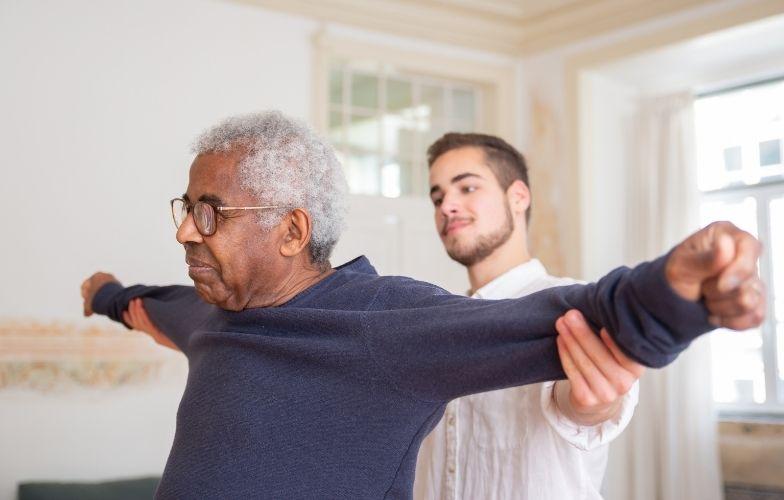
As people age, maintaining independence and safety at home becomes a top priority. Adapting living spaces and routines to meet changing physical needs can make daily life more comfortable and secure. Senior accessibility is about more than just installing grab bars or ramps; it’s a holistic approach that considers mobility, vision, hearing, and cognitive changes. By making thoughtful adjustments, older adults can enjoy greater confidence and peace of mind in their everyday activities.
This guide explores practical strategies and products designed to enhance comfort, reduce risks, and support aging in place. Whether you’re a senior, a caregiver, or a family member, understanding these solutions can help create a safer, more accessible environment.
For those interested in holistic well-being, you may also find value in our senior relaxation tips, which offer guidance on managing stress and promoting peaceful living.
Understanding the Importance of Accessibility for Older Adults
As mobility, balance, and sensory abilities change, the risk of falls and accidents increases. According to health experts, falls are one of the leading causes of injury among older adults. Creating an accessible environment is crucial for minimizing hazards and supporting self-sufficiency.
Senior accessibility involves adapting both the physical environment and daily routines. This can include simple modifications like improved lighting, as well as more comprehensive changes such as installing stairlifts or walk-in showers. The goal is to remove barriers, making it easier for older individuals to move around safely and perform everyday tasks with confidence.
Key Home Modifications for Safer Living
Making a home more accessible doesn’t always require major renovations. Many effective solutions are straightforward and affordable. Here are some essential modifications to consider:
- Entryways and Hallways: Install ramps or threshold bridges to eliminate steps. Ensure hallways are clear and wide enough for walkers or wheelchairs.
- Lighting: Use bright, glare-free lighting in hallways, staircases, and bathrooms. Motion sensor night lights can be especially helpful for nighttime navigation.
- Bathrooms: Add grab bars near toilets and inside showers. Non-slip mats and walk-in tubs can further reduce fall risks.
- Kitchens: Lower countertops and store frequently used items within easy reach. Lever-style faucet handles are easier to operate than traditional knobs.
- Stairways: Install sturdy railings on both sides. Consider stairlifts for multi-level homes.
- Flooring: Remove loose rugs and repair uneven surfaces to prevent tripping.
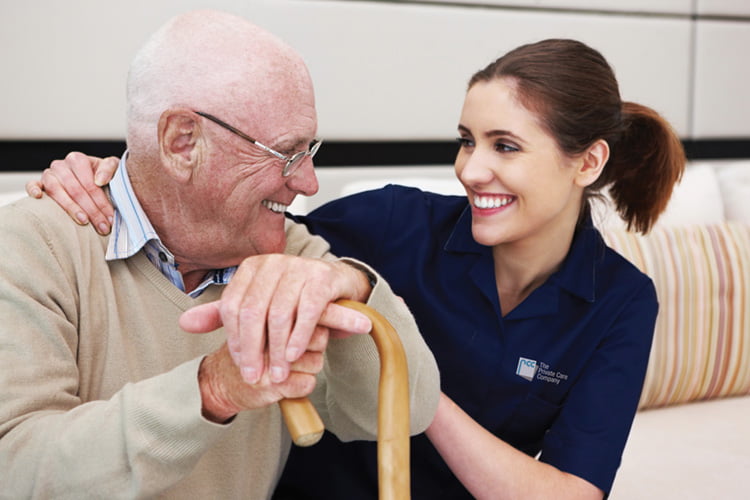
Assistive Devices and Smart Technology
Modern technology offers a range of tools that support independence and safety for older adults. From basic aids to advanced smart devices, these solutions can make daily routines easier and provide peace of mind for both users and caregivers.
- Mobility Aids: Walkers, canes, and wheelchairs help maintain balance and mobility. Choose models with ergonomic grips and adjustable heights.
- Bed Exit Alarms: These devices alert caregivers if someone leaves their bed unexpectedly, reducing the risk of nighttime falls.
- Motion Sensor Lights: Automatically illuminate pathways when movement is detected, preventing trips and stumbles in the dark.
- Medication Dispensers: Automated pill organizers ensure the correct dose is taken at the right time, supporting medication adherence.
- Voice-Activated Assistants: Devices like smart speakers can set reminders, control lights, and call for help hands-free.
When selecting assistive devices, consider the user’s specific needs and preferences. Consulting with an occupational therapist can help identify the most suitable options.
Promoting Mobility and Physical Activity
Staying active is essential for maintaining strength, flexibility, and overall well-being. Safe movement around the home is a key aspect of senior accessibility. Simple exercises and regular activity can help prevent falls and support independence.
For guidance on safe and effective routines, our senior exercise resource offers tips tailored to older adults. Additionally, the physical activity guidelines for older adults provide evidence-based recommendations for staying active at any age.
Creating a Supportive and Accessible Environment
Beyond physical modifications and devices, fostering a supportive atmosphere is vital. Family members, caregivers, and community resources all play a role in promoting safety and comfort.
- Regular Safety Checks: Periodically review the home for new hazards or areas needing improvement.
- Emergency Preparedness: Ensure that emergency contacts are easily accessible and that smoke detectors and alarms are working.
- Accessible Communication: Use large-print labels, amplified phones, or video calling tools to stay connected with loved ones.
- Community Services: Many local organizations offer transportation, meal delivery, and social programs for older adults.
Additional Resources for Holistic Well-Being
Accessibility is just one aspect of healthy aging. Addressing emotional, mental, and medical needs is equally important. Explore our resources on senior therapy for support with physical and emotional health, or visit our senior healthcare guide for comprehensive medical advice and wellness tips.
Frequently Asked Questions
What are the most important home modifications for older adults?
Key changes include installing grab bars in bathrooms, improving lighting, using non-slip flooring, and removing tripping hazards. Ramps and stairlifts can help with mobility, while motion sensor lights and bed exit alarms add extra safety.
How can technology improve accessibility for seniors?
Devices such as voice-activated assistants, automated medication dispensers, and smart lighting systems make daily tasks easier and safer. These tools can also help seniors stay connected with family and caregivers.
Where can I find support for making my home more accessible?
Occupational therapists, local aging agencies, and community organizations often provide assessments and recommendations. Online resources and guides, like those linked throughout this article, offer practical advice and product suggestions.
Conclusion
Enhancing senior accessibility at home is a proactive step toward safer, more comfortable living. By combining practical modifications, assistive devices, and supportive routines, older adults can maintain their independence and enjoy a higher quality of life. Regularly reviewing and updating the living environment ensures that it continues to meet evolving needs, providing peace of mind for both seniors and their loved ones.