

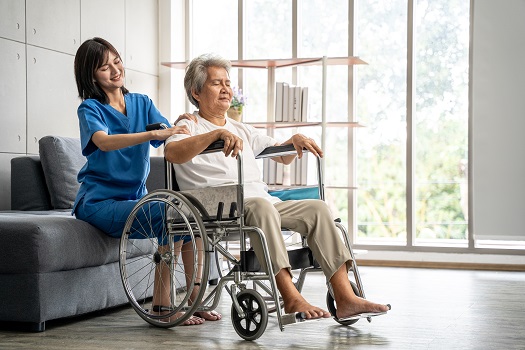
The landscape of healthcare for older adults is rapidly evolving, with senior care technology playing a pivotal role in improving safety, independence, and overall well-being. From remote monitoring devices to smart home solutions, these advancements are transforming how families and professionals support aging loved ones. Understanding the latest options and how to integrate them can make a significant difference in quality of life and peace of mind.
This guide explores practical ways to leverage modern tools for elder support, offering insights into the most effective devices, their benefits, and how to choose the right solutions for individual needs. For those interested in holistic wellness, resources like senior relaxation can further complement a technology-driven approach to aging well.
Understanding the Role of Technology in Elder Support
The integration of senior care technology into daily routines has revolutionized the way older adults receive assistance. These innovations are not just about convenience—they address critical needs such as fall prevention, medication management, and social connection. By automating routine tasks and providing real-time health data, technology empowers seniors to maintain independence while ensuring caregivers and family members stay informed.
Research published in recent medical journals highlights how digital health tools can improve outcomes for older adults, especially when combined with personalized care plans. As the population ages, the demand for reliable, user-friendly solutions continues to grow.
Types of Senior Care Technology Solutions
There is a wide range of devices and platforms designed specifically for elder support. Choosing the right combination depends on individual health conditions, living arrangements, and personal preferences. Here are some of the most impactful categories:
- Remote Monitoring Systems: Devices that track vital signs, movement, and daily activity, alerting caregivers to potential issues such as falls or missed medications.
- Smart Home Devices: Voice-activated assistants, automated lighting, and temperature controls help create a safer, more accessible environment.
- Medication Dispensers: Automated pill organizers reduce the risk of missed or double doses, providing reminders and tracking adherence.
- Wearable Safety Devices: Emergency response pendants and smartwatches can detect falls and connect users to help with the press of a button.
- Communication Platforms: Video calling and messaging tools designed for seniors help maintain social ties and reduce isolation.
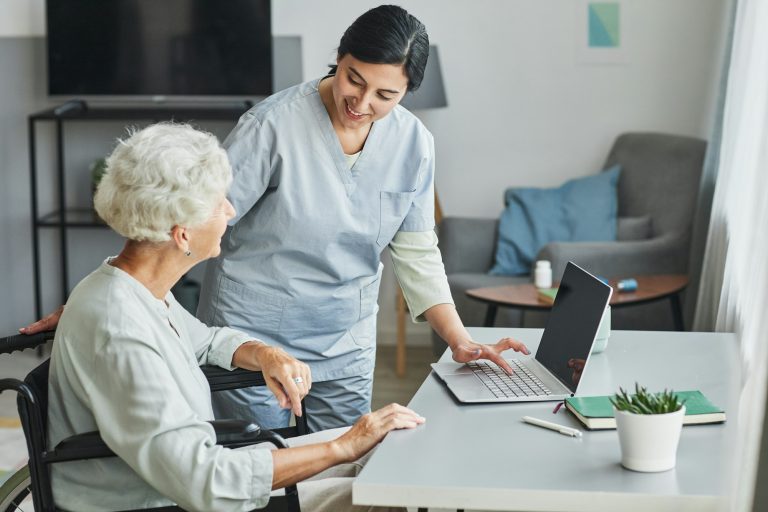
How to Choose the Right Digital Tools for Elder Care
Selecting appropriate senior care technology requires careful consideration of several factors. Start by assessing the specific needs of the individual—mobility, cognitive function, and medical requirements all play a role. Involve the senior in decision-making to ensure the solutions are comfortable and easy to use.
- Ease of Use: Look for devices with simple interfaces, clear instructions, and large buttons or displays.
- Compatibility: Ensure new tools work seamlessly with existing systems in the home, such as Wi-Fi networks or smartphones.
- Reliability: Choose products with strong customer reviews and proven track records for safety and accuracy.
- Support and Training: Opt for brands that offer accessible customer service and training resources for both users and caregivers.
- Privacy and Security: Confirm that any data collected is securely stored and shared only with authorized individuals.
Consulting healthcare professionals and reading trusted reviews can further guide your choices. For those interested in maintaining an active lifestyle, resources like senior exercise tips can complement technology-based care.
Benefits of Integrating Technology into Elder Support
The advantages of adopting digital solutions for elder care extend beyond convenience. Here are some key benefits:
- Enhanced Safety: Automated alerts and monitoring reduce the risk of accidents and ensure timely intervention in emergencies.
- Greater Independence: Smart devices empower older adults to manage daily tasks with less reliance on others.
- Improved Health Outcomes: Consistent tracking of vital signs and medication adherence supports better management of chronic conditions.
- Peace of Mind: Family members and caregivers can stay connected and informed, even from a distance.
- Social Engagement: Communication platforms help seniors maintain relationships and participate in community activities.
These benefits are most pronounced when technology is integrated thoughtfully, with ongoing support and regular updates as needs evolve.
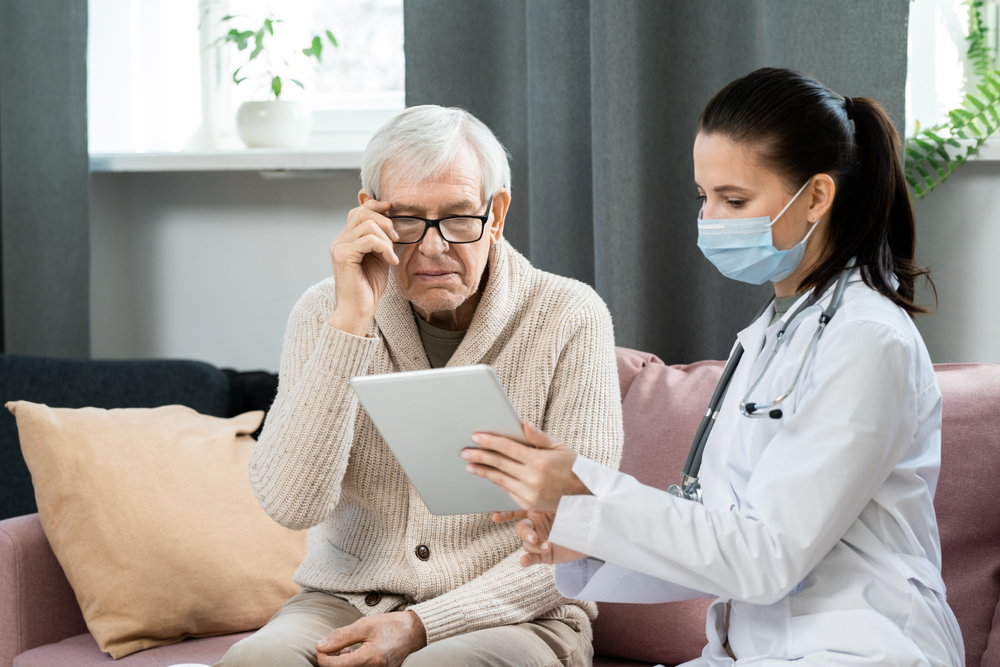
Tips for Successful Implementation of Smart Solutions
Introducing new devices and platforms can be a smooth process with the right approach. Here are some practical steps to ensure a positive experience:
- Start Small: Begin with one or two devices that address the most pressing needs, such as a motion sensor night light or a bed exit alarm.
- Provide Training: Take time to demonstrate how each device works, and encourage hands-on practice.
- Monitor Progress: Check in regularly to address any challenges and adjust settings as needed.
- Stay Updated: Keep software and firmware up to date to maintain security and access new features.
- Encourage Feedback: Listen to the user’s concerns and preferences, making adjustments to maximize comfort and usability.
For those managing multiple aspects of aging, exploring guides like the senior healthcare resource can offer additional strategies for comprehensive support.
Frequently Asked Questions
What are the most important features to look for in digital elder care devices?
Key features include ease of use, reliability, strong customer support, and robust privacy protections. Devices should also be compatible with existing home systems and tailored to the specific needs of the user.
How can technology help prevent falls and accidents for older adults?
Many smart home devices, such as motion sensor night lights and bed exit alarms, provide real-time alerts and automated lighting to reduce the risk of trips and falls. Remote monitoring systems can also notify caregivers immediately if an incident occurs.
Is it difficult for seniors to learn how to use new technology?
Many products are designed with older adults in mind, featuring simple interfaces and clear instructions. Providing patient training and ongoing support can further ease the transition and build confidence in using new tools.
As the field of senior care technology continues to grow, staying informed about new developments and best practices will help families and caregivers provide the best possible support. For those interested in additional wellness strategies, topics like senior therapy and senior travel can further enhance quality of life.