


As people age, maintaining a sense of connection, support, and belonging becomes increasingly important for overall well-being. A senior community offers more than just a place to live—it provides an environment where older adults can thrive socially, emotionally, and physically. Whether you are exploring options for yourself or a loved one, understanding the benefits and features of these communities can help you make informed decisions that enhance quality of life.
In this article, we’ll explore how these living arrangements foster meaningful relationships, provide crucial support systems, and create a true sense of home. We’ll also discuss practical tips for choosing the right environment and making the most of the resources available. For those interested in holistic wellness, you may also find value in our guide on senior relaxation, which offers strategies for stress relief and peaceful living.
The Value of Belonging in a Senior Community
One of the most significant advantages of joining a senior community is the opportunity to build lasting relationships. Social isolation can have a profound impact on health, leading to increased risks of depression, cognitive decline, and physical illness. In contrast, living among peers who share similar life experiences fosters a sense of camaraderie and mutual understanding.
Many communities offer a variety of group activities, such as fitness classes, book clubs, and cultural events, which encourage residents to connect and form friendships. These shared experiences not only enrich daily life but also provide emotional support during challenging times.
Support Systems That Enhance Daily Living
A well-designed environment for older adults goes beyond social opportunities. It also provides essential support systems that promote independence and safety. From on-site healthcare services to meal preparation and housekeeping, these features are tailored to meet the unique needs of residents.
For those with mobility challenges, some communities partner with professionals specializing in senior mobility physiotherapy to help maintain strength and flexibility. This focus on physical well-being is complemented by access to mental health resources and wellness programs.
If you are interested in maintaining an active lifestyle, our article on senior exercise provides practical tips for building strength, flexibility, and longevity.

Creating a Safe and Comfortable Home Environment
Safety is a top priority in any living arrangement for older adults. Modern communities are designed with accessibility in mind, featuring ramps, handrails, and emergency call systems. In addition, many offer 24-hour staff presence to respond quickly to any needs.
Personalizing living spaces is encouraged, allowing residents to bring cherished belongings and create a familiar, comfortable atmosphere. This sense of ownership contributes to emotional well-being and helps ease the transition to a new environment.
For those seeking guidance on healthcare and wellness, our senior healthcare guide offers insights into medical support and maintaining overall wellness.
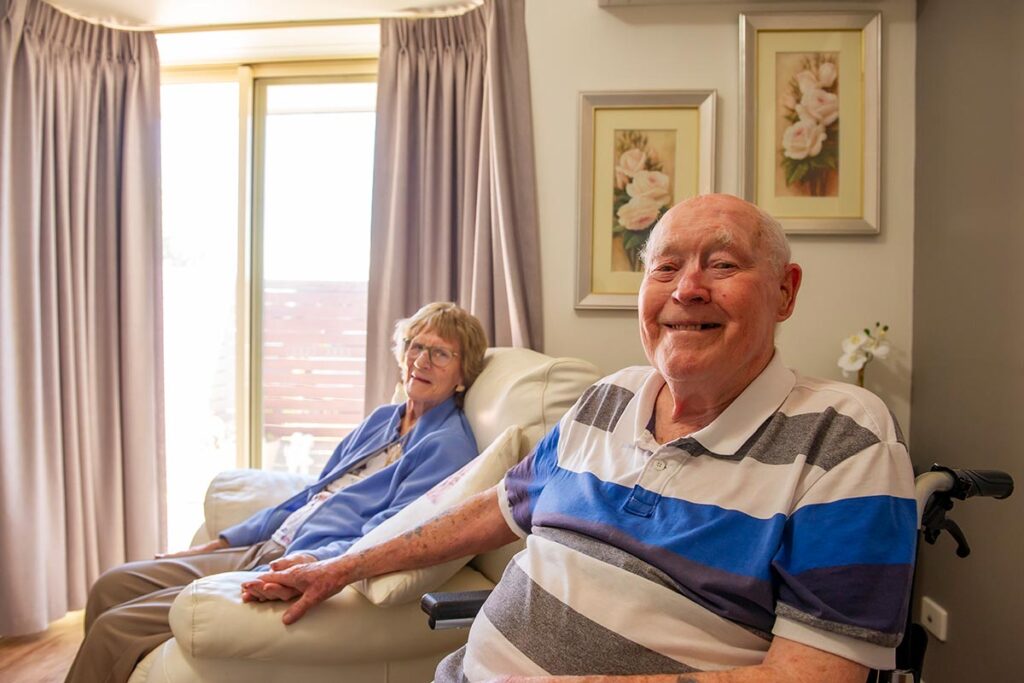
How to Choose the Right Senior Community
Selecting the best environment for yourself or a loved one involves careful consideration of several factors. Start by identifying the level of care required—some communities are designed for independent living, while others provide assisted living or memory care services.
- Location: Proximity to family, friends, and medical facilities can influence your decision.
- Services and Amenities: Look for offerings that match your lifestyle, such as fitness centers, transportation, and dining options.
- Community Culture: Visit in person to observe daily life, talk to residents, and get a feel for the atmosphere.
- Cost and Contracts: Understand the pricing structure, what is included, and any long-term commitments.
It’s also helpful to ask about staff training, emergency protocols, and opportunities for family involvement. Taking the time to research and tour multiple options will help ensure a good fit.
Staying Engaged and Active in a Senior Living Environment
Remaining active—physically, mentally, and socially—is key to a fulfilling experience in a senior community. Many locations offer structured programs that encourage participation, such as art classes, gardening clubs, and volunteer opportunities.
Residents are encouraged to pursue hobbies, attend educational workshops, and join social outings. These activities not only provide enjoyment but also help maintain cognitive function and emotional health. For those interested in travel, our resource on senior travel offers ideas for safe and enjoyable trips tailored to older adults.
If emotional or mental health support is needed, consider exploring senior therapy options for comprehensive care.
Frequently Asked Questions
What types of support are available in a senior community?
Most communities provide a range of support services, including assistance with daily activities, medication management, transportation, and access to healthcare professionals. Some also offer specialized programs for memory care or rehabilitation.
How do I know if a senior community is the right choice?
Consider factors such as the level of independence desired, health needs, social preferences, and budget. Visiting several locations, speaking with staff and residents, and reviewing available amenities can help you make an informed decision.
Can residents personalize their living spaces?
Yes, most communities encourage residents to decorate and furnish their apartments with personal items, making the space feel like home and supporting emotional well-being.