

Staying mentally active and engaged is crucial at every stage of life, and especially so for older adults. Senior education initiatives are designed to provide meaningful opportunities for learning, growth, and social connection well into the later years. These programs are more than just classes—they offer a pathway to personal fulfillment, improved cognitive health, and a vibrant sense of community.
Whether you are seeking to pick up a new skill, revisit a favorite subject, or simply connect with others who share your interests, there are a wide variety of options available. From local community centers to online platforms, the landscape of lifelong learning for older adults is richer and more accessible than ever. For those also interested in holistic well-being, exploring resources like senior relaxation can further enhance quality of life alongside educational pursuits.

Why Lifelong Learning Matters for Older Adults
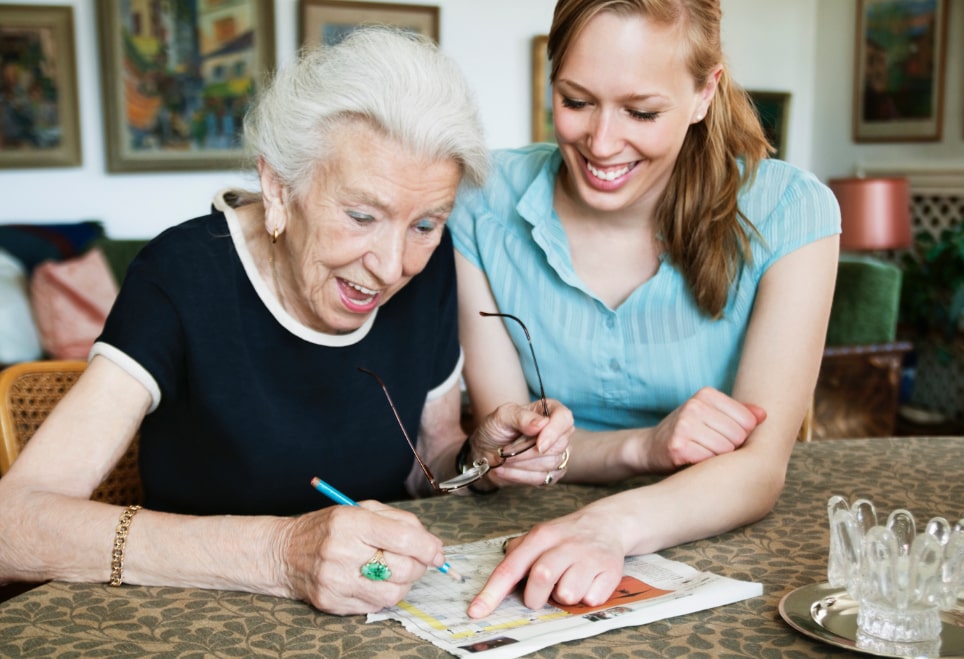
The benefits of continuing education in later life extend far beyond acquiring new knowledge. Engaging in structured learning activities has been linked to better memory, sharper thinking, and even a reduced risk of cognitive decline. Social interaction, which is often a key component of these programs, can help combat feelings of isolation and foster a sense of belonging.
Participating in educational activities can also support emotional well-being. Many older adults find that learning something new brings a renewed sense of purpose and confidence. Whether it’s mastering a language, exploring art, or diving into technology, the act of learning can be deeply rewarding.
Types of Senior Education Opportunities
There is no one-size-fits-all approach to lifelong learning. The best program is one that aligns with your interests, goals, and preferred learning style. Here are some of the most common formats available:
- Community College Courses: Many local colleges offer reduced tuition or free classes for older adults. Subjects range from literature and history to computer basics and health.
- Online Learning Platforms: Websites like Coursera, edX, and local library portals provide access to thousands of courses. These can be taken at your own pace, from the comfort of home.
- Senior Centers and Libraries: Local centers often host workshops, lectures, and discussion groups tailored to older learners.
- Universities of the Third Age (U3A): These member-led organizations focus on peer-to-peer learning, with courses taught by and for seniors.
- Special Interest Groups: From book clubs to gardening societies, joining a group centered on a shared passion can be both educational and social.
How to Choose the Right Learning Program
Selecting the most suitable educational opportunity depends on several factors. Consider your personal interests, preferred learning environment, and any accessibility needs. Here are a few tips to guide your decision:
- Assess Your Goals: Are you looking to learn for personal enrichment, develop a new skill, or stay socially engaged?
- Evaluate Accessibility: If mobility is a concern, online courses or programs with transportation support may be ideal. For tips on supporting mobility, see this guide to helping seniors with mobility aids.
- Check for Support Services: Some programs offer tutoring, technical help, or adaptive resources for those with vision or hearing challenges.
- Look for Social Elements: Courses that include group discussions or collaborative projects can enhance both learning and social well-being.
Benefits of Senior Education for Health and Well-Being
The positive impact of ongoing learning extends into many areas of life. Research has shown that older adults who participate in educational activities often experience:
- Improved cognitive function and memory retention
- Greater sense of purpose and self-esteem
- Expanded social networks and reduced loneliness
- Better adaptability to new technologies and changes
- Enhanced physical health through active engagement
For those interested in a holistic approach, combining learning with activities such as senior exercise or exploring senior healthcare resources can further support overall wellness.
Overcoming Barriers to Lifelong Learning
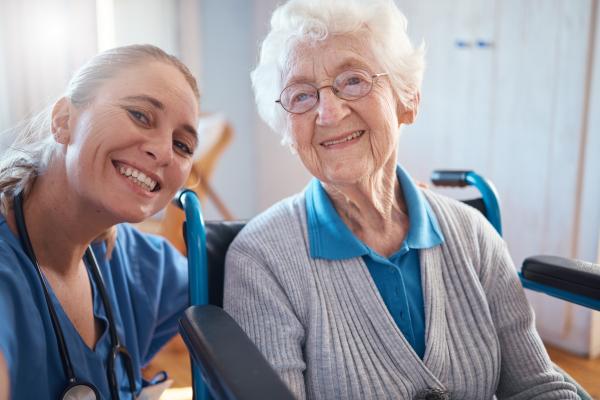
While the advantages of ongoing education are clear, some older adults may face obstacles such as limited mobility, financial constraints, or lack of confidence with technology. Fortunately, many organizations are addressing these challenges by offering:
- Free or low-cost classes for seniors
- Accessible facilities and transportation options
- Technical support for online learning platforms
- Flexible scheduling and self-paced courses
If you’re new to digital tools, consider starting with a basic computer or smartphone class. Many libraries and community centers provide hands-on assistance to help you get comfortable with technology.
Tips for Getting the Most Out of Senior Learning Programs
To maximize the benefits of your learning experience, keep these strategies in mind:
- Set Realistic Goals: Focus on progress rather than perfection. Celebrate each new skill or insight gained.
- Stay Social: Engage with classmates, join discussion groups, and participate in group projects when possible.
- Mix It Up: Try different subjects or formats to keep things interesting and challenge your brain in new ways.
- Combine Learning with Other Wellness Activities: Pairing education with activities like senior therapy or senior travel can enrich your overall experience.
Frequently Asked Questions About Senior Education
What kinds of subjects can older adults study in lifelong learning programs?
The range of topics is extensive. Many programs offer courses in art, music, history, languages, technology, health, financial literacy, and more. Some even provide hands-on workshops or field trips for experiential learning.
Are there free or low-cost options available for senior education?
Yes, many community colleges, libraries, and senior centers provide free or discounted classes for older adults. Online platforms often have free courses or offer scholarships for those on a fixed income.
How can someone with limited mobility participate in educational activities?
Online learning is an excellent solution for those who may have difficulty traveling. Additionally, some organizations offer home visits, virtual discussion groups, or transportation assistance to ensure everyone can participate.
Can educational programs help with social isolation?
Absolutely. Many learning opportunities include group discussions, collaborative projects, or social events, providing valuable chances to connect with others and build friendships.
Conclusion
Embracing lifelong learning through senior education programs can open doors to personal growth, improved health, and meaningful social connections. With so many accessible options available, there’s never been a better time to explore new interests and stay engaged. Whether you prefer in-person classes or online courses, the journey of learning truly never ends.