


As our loved ones age, creating a senior-friendly home design becomes crucial to ensure their safety, comfort, and well-being. Designing a home with aging in place in mind not only helps in promoting independence but also enhances the quality of life for seniors. In this article, we will explore various aspects of senior-friendly home design and provide practical tips to create a space that meets the unique needs of older adults.
Understanding the Importance of Senior-Friendly Home Design
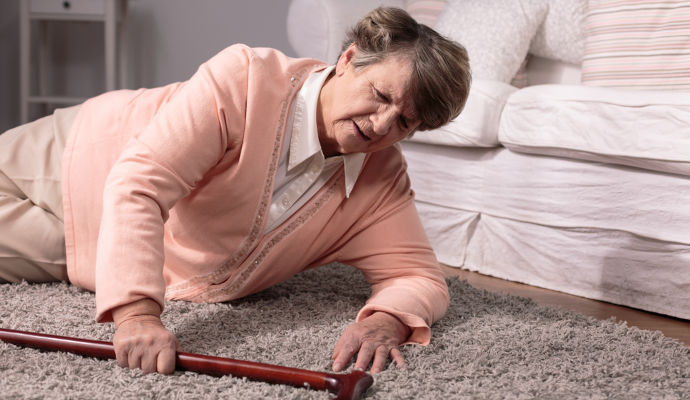
As people age, their physical abilities and health conditions change, requiring adjustments in their living environment. A well-planned senior-friendly home design can prevent accidents, reduce the risk of falls, and ease the daily routines of seniors. According to a study published by Physio-Pedia, falls are one of the leading causes of injuries among older adults, emphasizing the need for a safe living space.
Key Elements of Senior-Friendly Home Design
Accessible Entryways
Ensuring that entryways are accessible is a fundamental aspect of senior-friendly home design. Consider installing ramps or chair lifts for those with mobility issues. Ensure that doorways are wide enough to accommodate wheelchairs or walkers, and that there are no steps or high thresholds that pose a tripping hazard.
Non-Slip Flooring
Choosing appropriate flooring is crucial in preventing slips and falls. Opt for non-slip flooring materials such as textured tiles or vinyl that provide a good grip. Avoid using rugs or mats that are not secured, as they can easily become tripping hazards.
Well-Lit Spaces
Proper lighting is essential for senior-friendly home design. Ensure that all areas of the home are well-lit, especially staircases and hallways. Consider using motion-sensor lights in frequently used areas to enhance visibility and safety. Additionally, installing nightlights in bedrooms and bathrooms can help prevent accidents during nighttime trips.
Designing the Living Room for Seniors
Comfortable Seating
Choose seating options that provide ample support and comfort. Opt for chairs and sofas with armrests and firm cushions to make it easier for seniors to get in and out of their seats. Recliners with built-in footrests can also offer additional comfort and relaxation.
Clear Pathways
Arrange furniture in a way that allows for easy movement and clear pathways. Avoid clutter and ensure that there is enough space for mobility aids such as walkers or wheelchairs. This minimizes the risk of tripping and enhances accessibility.
Creating a Senior-Friendly Kitchen
Accessible Countertops and Cabinets
Ensure that countertops and cabinets are at a comfortable height, allowing seniors to reach items without straining. Consider installing pull-out shelves and lazy Susans to make accessing items easier. Lever-style handles on cabinets and faucets are also a practical choice for those with limited hand strength.
Easy-to-Use Appliances
Invest in appliances with user-friendly features, such as large buttons and easy-to-read displays. Consider appliances with automatic shut-off functions for added safety. Place frequently used items within easy reach to minimize the need for reaching or bending.
Designing a Safe Bathroom for Seniors
Grab Bars and Handrails
Install grab bars and handrails in key areas of the bathroom to provide support and stability. This is especially important near the toilet and in the shower or bathtub. Ensure that these fixtures are securely anchored to the wall.
Walk-In Showers
Consider replacing traditional bathtubs with walk-in showers that have a low threshold. This reduces the risk of tripping and makes it easier for seniors to enter and exit the shower. Non-slip mats and a shower bench can also enhance safety and comfort.
Ensuring Bedroom Safety and Comfort
Adjustable Beds
Invest in an adjustable bed that allows seniors to find a comfortable sleeping position. These beds can also make it easier to get in and out of bed, reducing the risk of falls. Ensure that the bed height is appropriate for easy access.
Accessible Storage
Organize the bedroom with storage options that are within easy reach. Avoid placing items on high shelves or in hard-to-reach areas. Consider using furniture with built-in storage to maximize space and accessibility.
FAQs
What is the importance of a senior-friendly home design?
A senior-friendly home design ensures the safety and comfort of seniors, reducing the risk of falls and injuries. It allows older adults to maintain their independence and enhances their quality of life.
How can I make my home more accessible for seniors?
To make your home more accessible for seniors, focus on wide doorways, non-slip flooring, proper lighting, and accessible fixtures. Consider installing grab bars, ramps, and easy-to-use appliances.
Are there specific design elements for senior-friendly bathrooms?
Yes, senior-friendly bathrooms should include grab bars, walk-in showers, non-slip mats, and adjustable showerheads. These elements enhance safety and ease of use for older adults.
For more tips on creating a senior-friendly home design, you can visit this resource.
This article contains affiliate links. We may earn a commission at no extra cost to you.