

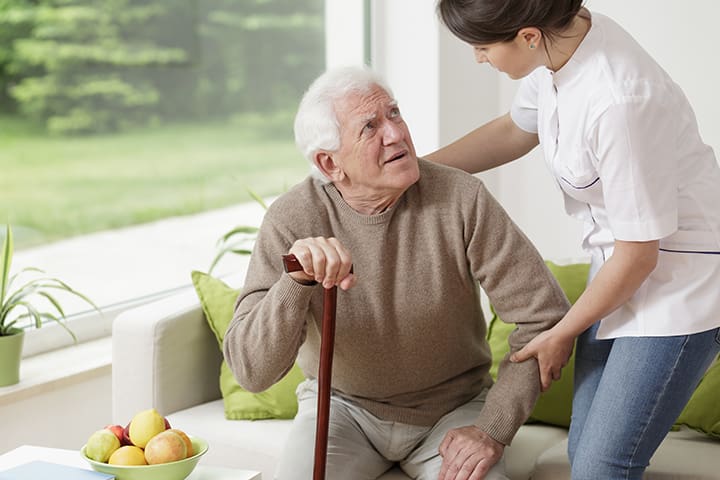
Maintaining senior health is essential for enjoying a vibrant, independent life as we age. Focusing on physical, mental, and emotional well-being can help older adults stay active, prevent illness, and manage chronic conditions. This guide offers practical strategies for promoting wellness, safety, and quality of life in the later years.
Whether you are an older adult, a family member, or a caregiver, understanding the key components of healthy aging can make a significant difference. From nutrition and exercise to home safety and social connections, there are many ways to support a fulfilling lifestyle. For those seeking more information about available resources, the National Institute on Aging provides a comprehensive overview of services for older adults living at home.
Key Elements of Wellness for Older Adults
Achieving long-term well-being involves more than just treating illness. A holistic approach to senior health includes prevention, lifestyle choices, and proactive management of common age-related changes. Below are the foundational pillars for healthy aging.
Balanced Nutrition for Aging Bodies
Nutritional needs change with age. Older adults often require fewer calories but more of certain nutrients like calcium, vitamin D, and fiber. Eating a variety of fruits, vegetables, whole grains, lean proteins, and healthy fats supports immune function and helps maintain muscle and bone strength.
- Choose nutrient-dense foods over processed snacks.
- Stay hydrated by drinking water throughout the day.
- Limit sodium and added sugars to reduce risk of chronic disease.
- Consider consulting a registered dietitian for personalized advice.
Staying Active: Physical Activity and Mobility
Regular movement is crucial for preserving independence and reducing the risk of falls. Activities like walking, swimming, stretching, and light strength training can improve balance, flexibility, and cardiovascular health.
- Engage in at least 150 minutes of moderate exercise per week, as tolerated.
- Incorporate balance and flexibility exercises to prevent falls.
- Consult a healthcare provider before starting a new fitness routine.
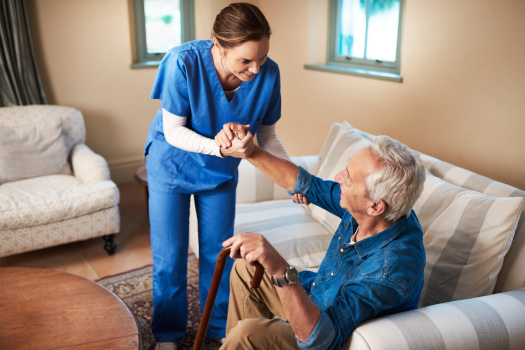
Home Safety and Fall Prevention
Creating a safe living environment is a key aspect of senior health. Falls are a leading cause of injury among older adults, but many accidents can be prevented with simple modifications and awareness.
- Install grab bars in bathrooms and handrails on stairs.
- Ensure walkways are free from clutter and tripping hazards.
- Use non-slip mats in the shower and kitchen.
- Improve lighting in hallways and bedrooms to reduce nighttime falls.
- Consider assistive devices such as night lights and bed alarms for added safety.
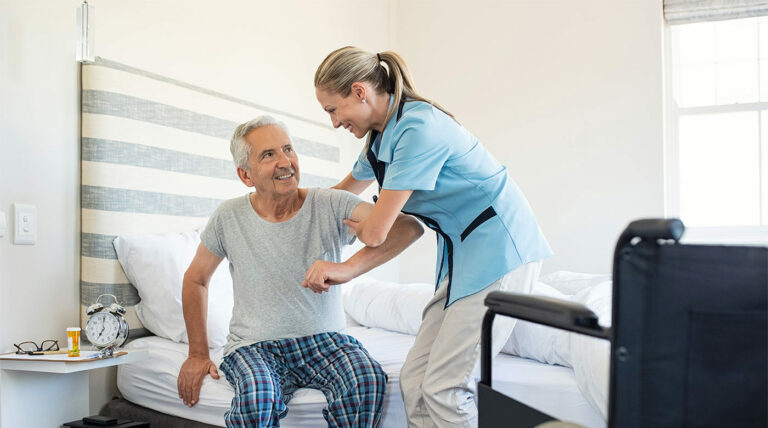
Mental and Emotional Well-Being
Good mental health is just as important as physical wellness. Staying socially connected, managing stress, and engaging in meaningful activities can help prevent depression and cognitive decline.
- Maintain regular contact with friends, family, or community groups.
- Pursue hobbies, volunteering, or lifelong learning opportunities.
- Practice mindfulness, meditation, or relaxation techniques.
- Seek professional support if feelings of sadness or anxiety persist.
Managing Chronic Conditions and Medications
Many older adults live with chronic illnesses such as diabetes, heart disease, or arthritis. Effective management involves regular check-ups, medication adherence, and lifestyle adjustments.
- Keep a current list of all medications and share it with healthcare providers.
- Use pill organizers or reminders to avoid missed doses.
- Monitor blood pressure, blood sugar, or other relevant health indicators as advised.
- Report new symptoms or side effects promptly to a doctor.
Accessing Support and Community Resources
No one should have to navigate the journey of aging alone. There are numerous local and national resources designed to help older adults and caregivers with everything from transportation to meal delivery and in-home care. Exploring these options can make daily life easier and more enjoyable.
For a detailed overview of available services, visit the National Institute on Aging’s guide to services for older adults living at home.
Frequently Asked Questions
What are the most important lifestyle changes for healthy aging?
The most effective changes include eating a balanced diet, staying physically active, avoiding tobacco and excessive alcohol, maintaining strong social connections, and managing chronic conditions with regular medical care.
How can I make my home safer as I get older?
Simple adjustments such as installing grab bars, improving lighting, removing tripping hazards, and using assistive devices like motion sensor night lights or bed exit alarms can greatly reduce the risk of falls and injuries.
Where can I find support for caregiving or home assistance?
Many organizations offer support for caregivers and older adults, including local senior centers, government programs, and online resources. The National Institute on Aging’s resource page is a good starting point for finding help with in-home care, transportation, and other services.