

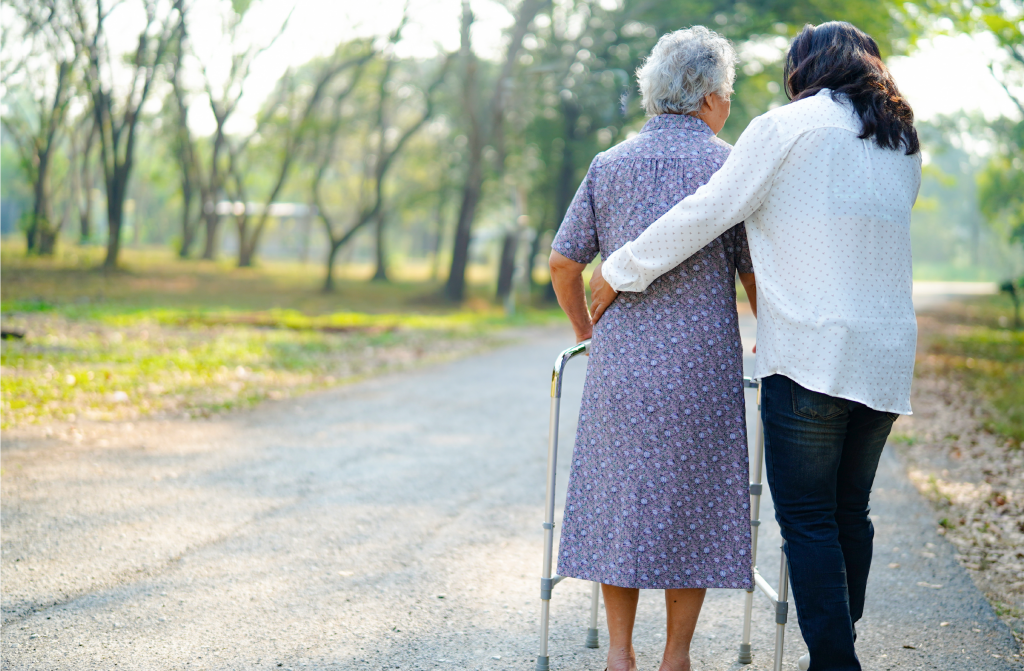
Staying physically and mentally engaged is essential for older adults seeking a vibrant, fulfilling lifestyle. The right activities can help maintain cognitive sharpness, foster social connections, and support overall well-being. Exploring a range of senior hobbies not only brings daily enjoyment but also contributes to long-term health and happiness.
Whether you’re interested in creative pursuits, gentle exercise, or social gatherings, there are countless options to suit every preference and ability. This guide highlights practical ways for older adults to remain active, mentally stimulated, and socially connected through enjoyable pastimes. For those seeking additional ways to unwind, discover helpful senior relaxation strategies that complement your favorite activities.
Why Pursuing New Interests Matters for Older Adults
Engaging in meaningful activities offers a wide range of benefits for seniors. Regular participation in hobbies can:
- Enhance cognitive function and memory retention
- Support emotional well-being and reduce feelings of isolation
- Promote physical health and mobility
- Encourage lifelong learning and curiosity
- Strengthen social bonds through shared experiences
According to physical activity guidelines for older adults, staying active is key to maintaining independence and quality of life. Even gentle movement or mentally stimulating pastimes can make a significant difference.
Physical Activities to Boost Vitality
Movement-based hobbies are an excellent way for older adults to maintain strength, flexibility, and balance. These activities can be tailored to individual abilities and preferences, making them accessible for most people.
- Walking: A simple, low-impact way to enjoy the outdoors and improve cardiovascular health.
- Gardening: Tending to plants provides light exercise and a sense of accomplishment.
- Swimming: Gentle on the joints, swimming is ideal for building endurance and muscle tone.
- Chair Yoga or Stretching: Adaptable routines that enhance flexibility and reduce stiffness.
- Dancing: Whether solo or with a partner, dancing lifts the mood and encourages movement.
For more structured routines, explore these senior exercise tips designed to promote strength and longevity.
Creative and Artistic Pursuits for Mental Fitness
Creative hobbies stimulate the mind, encourage self-expression, and can be deeply satisfying. These activities are especially valuable for maintaining cognitive agility and emotional balance.
- Painting and Drawing: Expressing ideas through art can be both relaxing and mentally engaging.
- Crafting: Knitting, crocheting, or woodworking offer tactile stimulation and a sense of achievement.
- Photography: Capturing moments helps sharpen observation skills and creativity.
- Writing: Journaling, poetry, or memoir writing foster reflection and memory recall.
- Music: Playing an instrument or singing can boost mood and cognitive function.
Many community centers and online platforms offer classes tailored for older adults, making it easy to start a new creative journey.
Social and Group Activities for Connection
Maintaining social ties is crucial for emotional health and can help prevent loneliness. Group-based pastimes provide opportunities to connect, share experiences, and build friendships.
- Book Clubs: Discussing literature encourages conversation and critical thinking.
- Board Games and Puzzles: These activities are enjoyable and help keep the mind sharp.
- Volunteering: Giving back to the community fosters purpose and social engagement.
- Travel Groups: Exploring new places with others can be both exciting and enriching. For safe and enjoyable adventures, check out these senior travel ideas.
- Cooking Classes: Learning new recipes together combines fun, nutrition, and social interaction.

Brain-Boosting Games and Puzzles
Challenging the mind with games and puzzles is a proven way to support cognitive health. These activities can be enjoyed solo or with friends, making them versatile options for any routine.
- Crossword Puzzles: Enhance vocabulary and memory skills.
- Sudoku: Improves logic and pattern recognition.
- Chess and Checkers: Develops strategic thinking and concentration.
- Card Games: Bridge, solitaire, and rummy are popular choices for mental stimulation.
- Jigsaw Puzzles: Encourage patience and visual-spatial reasoning.
Incorporating these brain-boosting pastimes into your daily life can help keep the mind agile and alert.
Wellness-Focused Hobbies for Body and Mind
Some activities offer a holistic approach, nurturing both physical and mental health. These options are particularly beneficial for those seeking balance and tranquility.
- Meditation and Mindfulness: Reduce stress and promote emotional stability.
- Tai Chi: Combines gentle movement with deep breathing for relaxation and balance.
- Birdwatching: Encourages time outdoors and mindful observation of nature.
- Pet Care: Caring for animals can be soothing and provide companionship.
- Therapeutic Activities: Explore senior therapy options to support physical, emotional, and mental wellness.
Tips for Choosing the Right Pastime
With so many possibilities, selecting the most enjoyable and sustainable activities is important. Consider these tips when exploring new interests:
- Start with familiar activities and gradually try new ones
- Choose hobbies that match your physical abilities and health needs
- Look for group options to boost motivation and social interaction
- Set realistic goals and celebrate progress
- Consult with a healthcare provider before starting new physical routines
Remember, the best hobbies are those that bring joy, purpose, and a sense of accomplishment. For comprehensive guidance on maintaining well-being, visit the senior healthcare resource page.
Frequently Asked Questions
What are some safe physical activities for older adults with limited mobility?
Gentle options like chair yoga, stretching, water aerobics, and short walks are excellent for those with mobility challenges. Always consult a healthcare professional before starting new routines to ensure safety and suitability.
How can seniors stay socially connected through hobbies?
Joining clubs, attending group classes, volunteering, or participating in online communities are great ways to build friendships and maintain social ties. Many local organizations and senior centers offer group-based activities tailored to different interests.
Why are creative hobbies important for mental health?
Creative pursuits such as painting, writing, or music stimulate the brain, encourage self-expression, and can help reduce stress. These activities support cognitive health and provide a sense of fulfillment.