


As people age, finding the right living arrangement becomes a top priority for maintaining independence, comfort, and safety. Senior housing options have evolved to address a wide range of needs, from fully independent living to environments that offer specialized care and support. Understanding the available choices and how to create a secure, welcoming space is essential for older adults and their families.
This guide explores the different types of living arrangements for older adults, key safety and comfort features, and practical steps for making a home or community environment more accommodating. Whether you are planning for yourself or supporting a loved one, knowing what to look for can make all the difference in quality of life.
For those interested in maintaining independence while receiving essential support, home care for seniors can be a valuable solution. This approach allows older adults to remain in familiar surroundings while benefiting from professional assistance tailored to their needs.
Understanding Senior Housing Options
The term senior housing covers a spectrum of living arrangements, each designed to meet different levels of care and lifestyle preferences. Selecting the right option involves considering health, mobility, social needs, and personal preferences.
- Independent Living Communities: These are ideal for active older adults who want a maintenance-free lifestyle with access to social activities and amenities.
- Assisted Living Facilities: Residents receive help with daily activities such as bathing, dressing, and medication management, while still enjoying a degree of independence.
- Memory Care Units: Specialized environments for those with Alzheimer’s or other forms of dementia, offering enhanced safety and support.
- Skilled Nursing Facilities: Provide round-the-clock medical care for seniors with complex health needs or those recovering from illness or surgery.
- Aging in Place: Modifying an existing home to accommodate changing needs, allowing seniors to remain in their own residence safely and comfortably.
Each of these options can be tailored to individual needs, and many communities offer a continuum of care, allowing residents to transition smoothly as their requirements change.
Key Features for Safe and Comfortable Living
Regardless of the chosen living arrangement, certain features are essential for promoting safety and comfort in environments for older adults. These elements not only reduce the risk of accidents but also support independence and well-being.
- Accessible Design: Wide doorways, zero-step entries, and barrier-free bathrooms make it easier for those with mobility challenges to move around safely.
- Proper Lighting: Bright, glare-free lighting in hallways, bathrooms, and stairways helps prevent falls and supports those with vision changes.
- Non-Slip Flooring: Carpeting or textured flooring reduces the risk of slipping, especially in kitchens and bathrooms.
- Emergency Response Systems: Personal alert devices and call buttons provide peace of mind and quick access to help if needed.
- Grab Bars and Handrails: Essential in bathrooms and along stairways to offer extra support.
- Smart Home Technology: Devices such as motion sensor night lights and bed exit alarms add an extra layer of safety and convenience.
Supporting Mobility and Independence
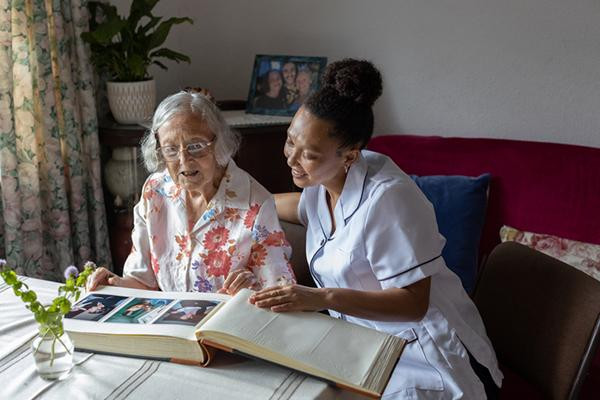
Maintaining mobility is a cornerstone of independent living for older adults. Simple modifications and the right equipment can make a significant difference in daily comfort and safety. For those seeking more information on this topic, the senior mobility guide offers practical solutions to enhance movement and reduce fall risk.
Common strategies for supporting mobility include:
- Installing ramps and stair lifts for easier navigation.
- Using walkers, canes, or wheelchairs as recommended by healthcare professionals.
- Rearranging furniture to create clear, unobstructed pathways.
- Incorporating assistive devices for seniors such as reachers, grabbers, and adaptive utensils.
- Encouraging regular exercise and stretching to maintain strength and flexibility.
For caregivers and family members, the caregiver guide for mobility problems provides valuable tips on supporting loved ones with movement challenges.
Creating a Supportive Community Environment
Social connections and a sense of belonging play a crucial role in the well-being of older adults. Many senior housing communities offer a range of activities, clubs, and events to foster engagement and reduce isolation.
- Group Activities: Arts and crafts, fitness classes, and educational seminars encourage participation and lifelong learning.
- Shared Spaces: Common areas such as gardens, libraries, and lounges provide opportunities for interaction and relaxation.
- Transportation Services: Scheduled shuttles help residents access shopping, medical appointments, and local attractions.
- On-Site Support: Access to healthcare professionals, nutritionists, and therapists ensures holistic care.
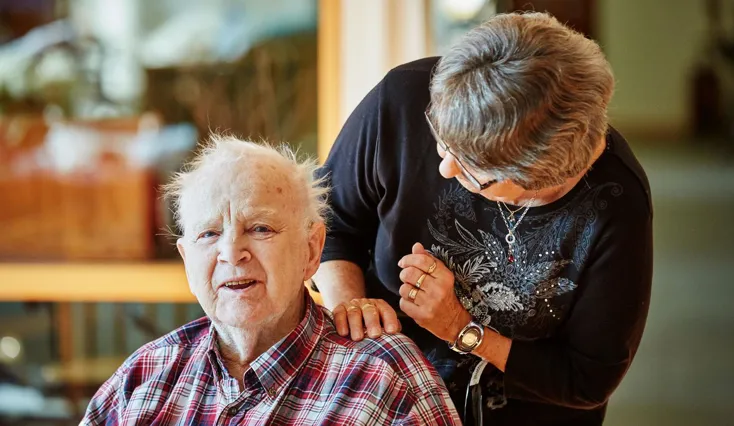
Technology is also transforming the landscape of older adult living. From smart home devices to telehealth services, innovations are making it easier for seniors to stay connected, monitor their health, and access support. Explore more about senior technology to see how digital tools can enhance daily life.
Tips for Choosing the Right Living Arrangement
Selecting the best environment involves careful consideration of current and future needs. Here are some practical steps to guide your decision:
- Assess Needs: Consider health status, mobility, social preferences, and the level of daily assistance required.
- Visit Potential Communities: Tour facilities, meet staff, and observe daily routines to get a sense of the atmosphere and services.
- Review Safety Features: Ensure the environment includes essential safety measures such as grab bars, emergency systems, and accessible layouts.
- Check for Flexibility: Look for communities that offer a range of care options, allowing for adjustments as needs change.
- Involve the Senior: Include the older adult in discussions and decisions to ensure their preferences and comfort are prioritized.
- Plan for the Future: Anticipate potential changes in health or mobility and choose an option that can adapt accordingly.
For those who wish to remain at home, reviewing aging in place strategies can help create a safe and supportive environment tailored to evolving needs.
Frequently Asked Questions
What Is the Difference Between Independent Living and Assisted Living?
Independent living communities are designed for older adults who are able to manage most daily tasks on their own but want a maintenance-free lifestyle and social opportunities. Assisted living facilities provide additional support with activities of daily living, such as bathing, dressing, and medication management, while still encouraging independence.
How Can I Make a Home Safer for an Older Adult?
Enhancing home safety involves installing grab bars, improving lighting, removing tripping hazards, and using devices like motion sensor night lights and bed exit alarms. Non-slip flooring and accessible bathroom designs also help reduce the risk of falls.
Are There Resources to Help With Mobility Issues?
Yes, there are many resources available, including mobility solutions and assistive devices designed specifically for older adults. Caregivers can also benefit from expert advice, such as the caregiver guide for mobility problems.
What Role Does Technology Play in Senior Housing?
Technology enhances safety, communication, and convenience for older adults. Smart home devices, emergency response systems, and telehealth services allow seniors to live more independently while staying connected to caregivers and healthcare providers.
Choosing the right living arrangement is a personal decision that should reflect the unique needs and preferences of each individual. By focusing on safety, comfort, and community, it is possible to create an environment where older adults can thrive and enjoy a high quality of life.