


Achieving senior independence is a key goal for many older adults who wish to maintain control over their daily lives, routines, and choices. As people age, the desire to stay self-sufficient and active often grows stronger, but so do the challenges that come with physical, social, and environmental changes. This guide explores practical strategies, tools, and resources that empower older adults to live confidently and safely, while preserving dignity and autonomy.
Whether you are an older adult, a family member, or a caregiver, understanding the pillars of independent living can make a significant difference. From adapting the home environment to leveraging community support and technology, there are many ways to foster a lifestyle that values both safety and personal freedom. For additional insights on creating a comfortable and healthy environment, you may find the senior living resource helpful.
Understanding the Foundations of Self-Reliant Living
The concept of senior independence extends beyond simply living alone. It encompasses the ability to make personal decisions, manage daily activities, and participate in meaningful social and community life. Key foundations include:
- Physical health: Maintaining mobility, strength, and balance to perform everyday tasks.
- Mental wellbeing: Staying cognitively engaged and emotionally resilient.
- Safe environment: Adapting the home to reduce risks and support accessibility.
- Social connections: Building and sustaining relationships to prevent isolation.
- Access to support: Knowing when and how to seek help without compromising autonomy.
By focusing on these pillars, older adults can create a strong foundation for a fulfilling and independent lifestyle.
Adapting the Home for Greater Safety and Comfort
A well-adapted living space is crucial for promoting self-sufficiency. Simple modifications can greatly reduce the risk of falls and accidents, which are among the leading causes of injury for older adults. Consider the following tips:
- Install grab bars in bathrooms and near stairs.
- Ensure adequate lighting in all rooms and hallways.
- Remove loose rugs and clutter from walkways.
- Use non-slip mats in the bathroom and kitchen.
- Arrange furniture to allow easy movement with walkers or wheelchairs.
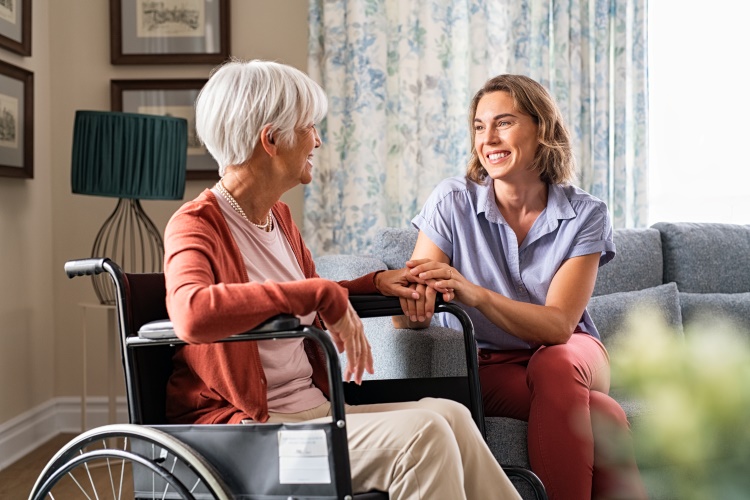
Investing in adaptive devices, such as motion sensor night lights or bed exit alarms, can further enhance safety and confidence at home. These tools help prevent nighttime falls and alert caregivers to potential emergencies, supporting both independence and peace of mind.
Maintaining Health and Wellness for Ongoing Autonomy
Good health is the cornerstone of independent living. Regular exercise, balanced nutrition, and routine medical checkups all contribute to a higher quality of life. Here are some ways to support ongoing wellness:
- Engage in low-impact activities like walking, swimming, or yoga to improve strength and flexibility.
- Follow a diet rich in fruits, vegetables, lean proteins, and whole grains.
- Stay hydrated and limit processed foods and added sugars.
- Schedule regular appointments with healthcare providers for preventive screenings and chronic condition management.
- Monitor medications carefully and ask for help if managing prescriptions becomes challenging.
For more detailed advice on maintaining long-term wellbeing, visit the senior health section, which covers topics ranging from nutrition to mental fitness.
Leveraging Technology and Assistive Devices for Senior Independence
Modern technology offers a wide range of solutions to help older adults remain self-reliant. From wearable devices that monitor vital signs to smart home systems that automate lighting and security, these tools can make daily life easier and safer. Examples include:
- Medical alert systems for emergency assistance.
- Voice-activated assistants for reminders and communication.
- Medication management apps and pill dispensers.
- Video calling platforms to stay in touch with family and friends.
- Mobility aids such as walkers, canes, and wheelchairs.
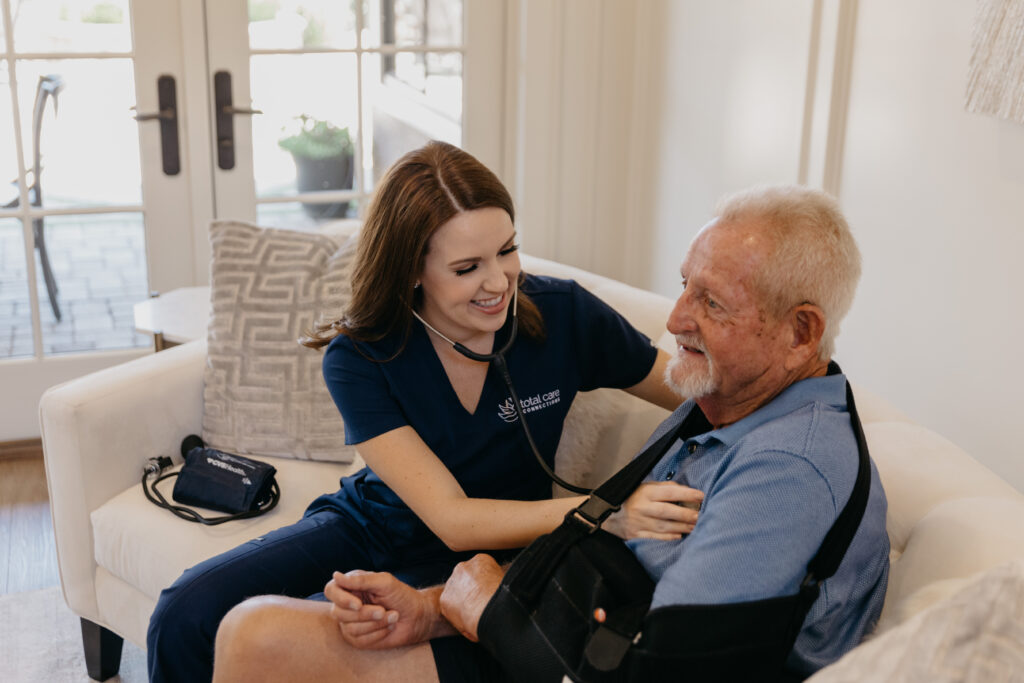
Embracing these innovations can help older adults manage their routines, stay connected, and respond quickly to potential issues, all of which contribute to a more independent lifestyle.
Building Social Connections and Community Engagement
Staying socially active is just as important as physical health when it comes to maintaining autonomy. Loneliness and isolation can negatively impact mental and emotional wellbeing. To foster a sense of belonging:
- Participate in local clubs, classes, or volunteer opportunities.
- Schedule regular visits or calls with friends and family.
- Attend community events or religious services.
- Explore online forums or support groups tailored for older adults.
Community engagement not only enriches life but also provides a support network in times of need. For more ideas on supportive environments, the elderly care guide offers additional strategies.
Recognizing When to Seek Support Without Losing Autonomy
True independence includes knowing when to ask for help. Accepting assistance with certain tasks can actually extend self-sufficiency by preventing injuries and burnout. Consider these options:
- In-home care services for housekeeping, meal preparation, or personal care.
- Transportation programs for errands and appointments.
- Meal delivery services for balanced nutrition.
- Community centers offering wellness checks and social activities.
According to recent research on aging and independence, a blend of self-management and external support leads to better outcomes for older adults. By proactively seeking resources, individuals can maintain control over their choices while ensuring their needs are met.
Planning for the Future: Financial and Legal Considerations
Preparing for the years ahead is a vital part of sustaining independence. Addressing financial and legal matters early helps avoid stress and uncertainty later. Key steps include:
- Reviewing and updating wills, powers of attorney, and advance directives.
- Budgeting for healthcare, housing, and daily expenses.
- Understanding insurance options, including Medicare and supplemental plans.
- Consulting with financial advisors or elder law attorneys as needed.
Taking these proactive measures ensures that personal wishes are respected and resources are managed wisely, supporting a confident approach to aging.
FAQ: Common Questions About Senior Independence
What are the most important steps for maintaining independence as an older adult?
Focus on health, safety, and social engagement. Adapt your home for accessibility, stay active, eat well, and nurture relationships. Use technology and community resources to support daily living.
How can technology help older adults live more independently?
Devices like medical alerts, smart home systems, and medication reminders make it easier to manage health and safety. Video calls and online communities also help maintain social connections.
When should someone consider seeking outside help?
If daily tasks become difficult or safety is at risk, consider in-home care or community services. Accepting support can actually prolong independence by preventing accidents and ensuring needs are met.
Conclusion
Empowering older adults to live confidently and self-reliantly requires a holistic approach that addresses physical, mental, and social needs. By making thoughtful adjustments to the home, embracing health and wellness routines, leveraging technology, and building strong support networks, seniors can enjoy greater autonomy and quality of life. For a broader look at trends shaping the future of aging, explore the aging population overview.