

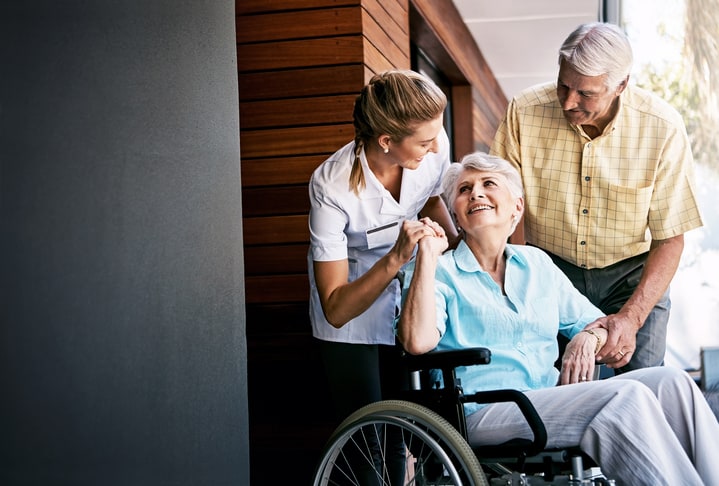
Navigating the later years of life can be rewarding and fulfilling with the right strategies in place. Many older adults strive to maintain independence, comfort, and good health as they age. Whether living at home, with family, or in a retirement community, making thoughtful choices about daily routines, home safety, and wellness can make a significant difference. This guide offers practical advice and proven methods to help older adults enjoy a vibrant, self-sufficient lifestyle.
For those seeking additional resources, there are numerous online guides and tools dedicated to senior living and well-being. Staying informed and proactive is key to thriving in this stage of life.
One helpful resource is this comprehensive list of safety tips for older adults, which covers a wide range of topics from home modifications to personal wellness.
Creating a Safe and Supportive Home Environment
A secure and accessible home is the foundation of a comfortable lifestyle for older adults. Simple adjustments can reduce the risk of accidents and promote confidence in daily activities. Here are some key considerations:
- Remove tripping hazards: Keep walkways clear of clutter, secure loose rugs, and ensure cords are tucked away.
- Improve lighting: Install bright, energy-efficient bulbs in hallways, staircases, and bathrooms to prevent falls.
- Install grab bars and handrails: Place sturdy supports in bathrooms and along stairs for added stability.
- Use non-slip mats: Place these in the shower, bathtub, and kitchen to minimize slipping risks.
- Consider smart devices: Motion sensor night lights and bed exit alarms can provide peace of mind for both older adults and caregivers.

Maintaining Health and Wellness in Later Years
Staying healthy is essential for preserving autonomy and quality of life. Focusing on physical, mental, and emotional well-being helps older adults remain active and engaged. Consider these strategies:
- Stay physically active: Regular movement, such as walking, stretching, or gentle exercise classes, supports mobility and balance.
- Eat a balanced diet: Prioritize fruits, vegetables, lean proteins, and whole grains to maintain energy and support immune function.
- Monitor medications: Use pill organizers or reminders to take prescriptions as directed and consult healthcare providers about any side effects.
- Attend regular check-ups: Routine visits to doctors, dentists, and eye specialists help catch potential issues early.
- Prioritize mental health: Engage in hobbies, social activities, and mindfulness practices to reduce stress and promote a positive outlook.
Fostering Independence and Social Connection
A fulfilling lifestyle in older adulthood often includes meaningful relationships and the ability to make personal choices. Encouraging self-reliance and maintaining strong social ties can greatly enhance well-being.
- Stay connected: Regular phone calls, video chats, or in-person visits with friends and family help prevent loneliness.
- Participate in community activities: Join clubs, volunteer, or attend local events to meet new people and stay engaged.
- Use assistive technology: Devices like hearing aids, voice-activated assistants, and emergency alert systems can support daily living and safety.
- Plan for transportation: Explore public transit, ride-sharing, or community shuttles to maintain mobility and independence.
- Set personal goals: Whether learning a new skill or pursuing a favorite pastime, having goals fosters a sense of purpose.
Adapting to Changing Needs Over Time
As individuals age, their requirements and preferences may shift. Being open to change and planning ahead can ease transitions and promote ongoing comfort. Here’s how to adapt gracefully:
- Regularly assess the living environment: Make updates as needed to accommodate mobility aids or changing health conditions.
- Communicate with loved ones: Discuss preferences for care, support, and emergency plans to ensure everyone is informed.
- Explore care options: Consider in-home assistance, adult day programs, or moving to a community designed for older adults if needs evolve.
- Stay informed: Keep up with new technologies, medical advances, and community resources that can enhance quality of life.
Frequently Asked Questions
What are the most important safety features for an older adult’s home?
Key safety features include grab bars in bathrooms, non-slip mats, adequate lighting, and clear walkways. Devices like motion sensor night lights and bed exit alarms can further reduce the risk of falls and provide reassurance for both residents and caregivers.
How can older adults maintain their independence while staying healthy?
Maintaining independence involves a combination of regular physical activity, balanced nutrition, social engagement, and the use of assistive devices when needed. Staying proactive with health check-ups and medication management also plays a crucial role.
What resources are available for those seeking more information on aging well?
There are many reputable organizations and online guides dedicated to the needs of older adults. For example, the comprehensive safety tips for seniors page offers practical advice on various aspects of daily living and home safety.