

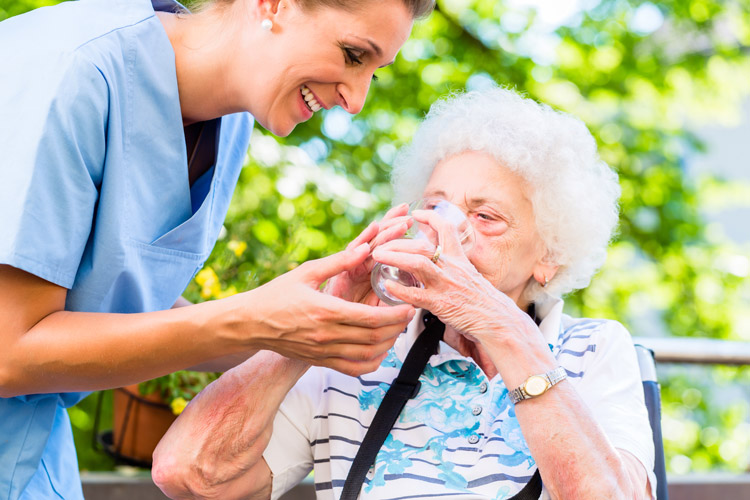
Supporting senior mental health is essential for maintaining quality of life, independence, and happiness as we age. Emotional wellbeing in later years can be influenced by many factors, including physical health, social connections, and lifestyle habits. With the right strategies, older adults can foster resilience, manage stress, and enjoy a more fulfilling daily experience. This article explores practical approaches and resources to help older adults and their families prioritize emotional wellness.
For additional ways to unwind and reduce stress, consider exploring senior relaxation techniques that can complement the strategies discussed here.
Understanding Emotional Wellness in Older Adults
Emotional wellness refers to the ability to manage feelings, cope with challenges, and maintain a positive outlook. As people age, they may face unique emotional hurdles such as bereavement, changes in living situations, or chronic health conditions. Recognizing these challenges is the first step in supporting mental health for seniors.
- Loss and Grief: Coping with the loss of loved ones or friends can deeply affect mood and motivation.
- Physical Health Changes: Chronic illnesses or reduced mobility may lead to frustration or sadness.
- Social Isolation: Retirement, relocation, or limited transportation can reduce social contact, increasing the risk of loneliness.
- Life Transitions: Adjusting to new routines or living arrangements requires emotional adaptation.
By understanding these factors, families and caregivers can better support older adults in maintaining emotional balance.
Building Strong Social Connections
Staying socially engaged is a cornerstone of senior mental health. Meaningful relationships and regular interaction help combat loneliness and provide emotional support. Here are some effective ways to nurture social ties:
- Join Community Groups: Local clubs, religious organizations, or hobby groups offer opportunities to meet new people.
- Stay in Touch: Regular phone calls, video chats, or letters with family and friends help maintain bonds.
- Volunteer: Giving back to the community fosters a sense of purpose and belonging.
- Attend Events: Participating in local events, classes, or workshops can introduce new social circles.
If mobility is a concern, consider using technology to connect virtually or arranging transportation with the help of family or local services.
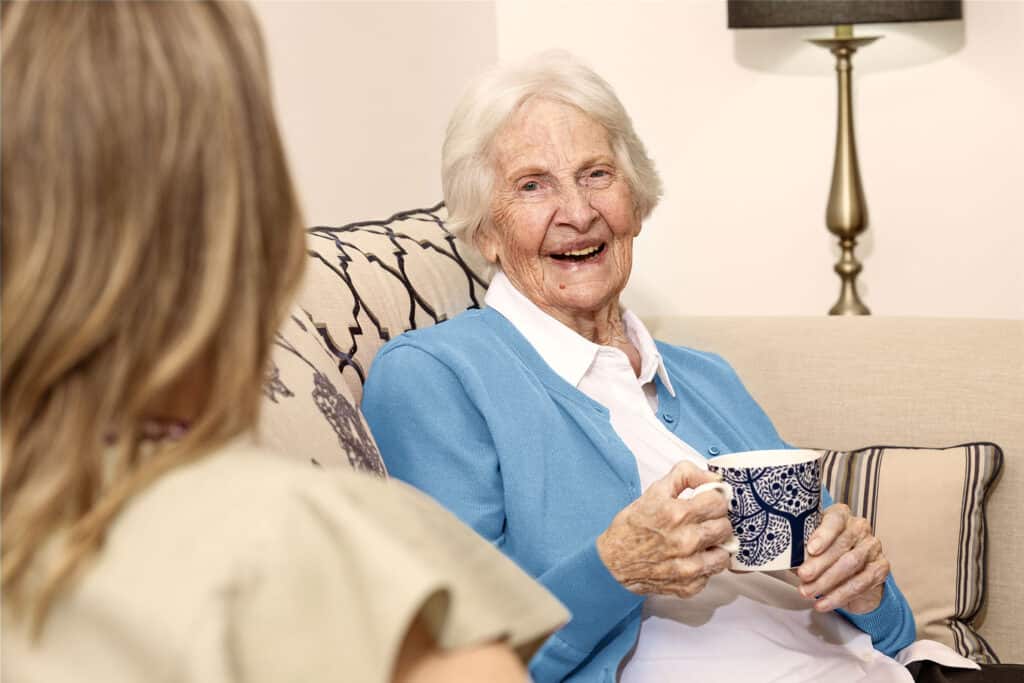
Physical Activity and Its Impact on Mood
Regular movement is not only vital for physical health but also plays a significant role in emotional stability. Exercise releases endorphins, which are natural mood lifters. Even gentle activities can make a difference.
- Walking: A daily stroll outdoors provides fresh air and a change of scenery.
- Stretching and Balance: Gentle stretching or balance exercises can improve flexibility and confidence.
- Group Fitness: Participating in group classes adds a social element and motivation.
For more ideas on staying active, see these senior exercise tips for strength, flexibility, and longevity. Additionally, explore mobility exercises for older adults to find routines that suit different abilities.
Mindfulness and Relaxation Techniques
Mindfulness practices can help manage stress, improve focus, and enhance overall wellbeing. Simple relaxation techniques are accessible and can be tailored to individual preferences.
- Deep Breathing: Taking slow, deep breaths calms the nervous system and reduces anxiety.
- Meditation: Guided meditations or quiet reflection can promote peace of mind.
- Progressive Muscle Relaxation: Tensing and relaxing muscle groups helps release physical tension.
- Listening to Music: Favorite songs or calming sounds can lift mood and soothe nerves.
Practicing these techniques regularly can help older adults manage daily stressors and maintain a positive outlook.
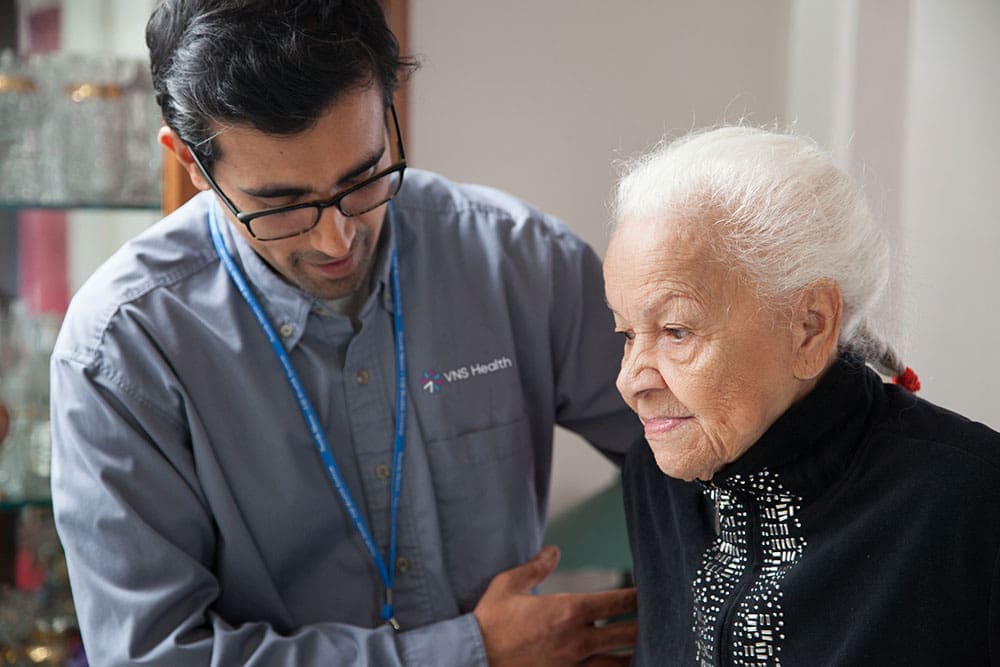
Healthy Routines and Self-Care for Seniors
Establishing a consistent routine supports both physical and emotional health. Self-care practices encourage independence and boost self-esteem.
- Sleep Hygiene: Aim for regular sleep and wake times, and create a restful environment.
- Balanced Nutrition: Eating a variety of foods supports brain and body health.
- Personal Hobbies: Engaging in favorite activities provides enjoyment and a sense of accomplishment.
- Safety at Home: Using aids like night lights and bed exit alarms can reduce anxiety about falls or accidents, contributing to peace of mind.
These habits form the foundation for a stable and positive daily experience.
When to Seek Professional Support
Sometimes, emotional challenges require guidance from a healthcare provider or mental health professional. Signs that additional support may be needed include:
- Persistent sadness or withdrawal from activities
- Changes in appetite or sleep patterns
- Difficulty concentrating or making decisions
- Feelings of hopelessness or thoughts of self-harm
Early intervention can make a significant difference. Explore senior therapy options to learn more about counseling, support groups, and other resources tailored to older adults.
Staying Informed and Empowered
Education empowers older adults and their families to make informed choices about emotional wellness. Reliable information, community resources, and ongoing communication with healthcare providers all contribute to a proactive approach.
For a comprehensive overview of medical support and wellness resources, visit the senior healthcare guide. Those interested in travel and new experiences can also benefit from senior travel ideas designed for comfort and safety.
Frequently Asked Questions
What are the most effective ways to support emotional wellbeing in older adults?
The most effective approaches include maintaining social connections, engaging in regular physical activity, practicing mindfulness, and establishing healthy routines. Access to professional support and community resources can also be valuable.
How can seniors stay socially active if mobility is limited?
Technology offers many solutions, such as video calls, online classes, and virtual events. Local organizations may provide transportation or home visits. Staying connected with family and friends through regular communication is also important.
When should professional help be considered for mental health concerns?
If an older adult experiences ongoing sadness, withdrawal, changes in sleep or appetite, or difficulty coping with daily life, it is important to consult a healthcare provider. Early support can prevent more serious complications and improve quality of life.