

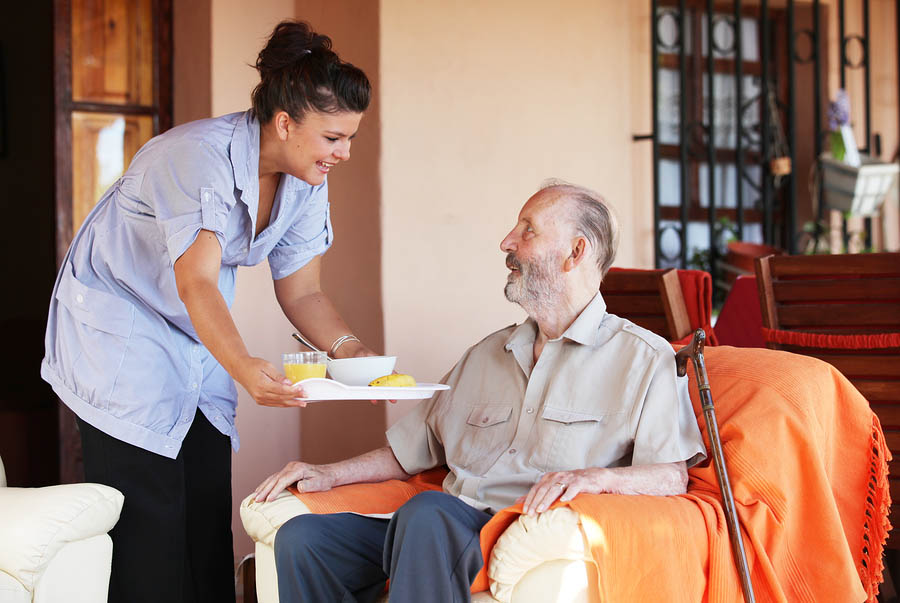
Staying active and engaged is essential for older adults to maintain physical health, mental sharpness, and a sense of purpose. Senior recreation is about much more than passing the time—it’s a key factor in promoting well-being, fostering social connections, and enriching daily life. Whether living independently, with family, or in a community setting, there are countless enjoyable and accessible activities that can be tailored to different interests and abilities.
This article explores a variety of practical and enjoyable ways for older adults to stay active, healthy, and connected. From group activities to solo hobbies, and from gentle exercise to creative pursuits, the options are diverse and adaptable. For those interested in giving back, senior volunteering is another meaningful way to stay involved and make a difference.
Why Recreation Matters for Older Adults
Engaging in regular activities offers a wide range of benefits for seniors. Not only does it support physical health by encouraging movement and flexibility, but it also boosts mood, sharpens cognitive skills, and helps prevent feelings of isolation. Recreation can be adapted for all mobility levels, making it possible for everyone to participate in some form.
- Physical Health: Activities like walking, stretching, or gentle sports help maintain strength and balance, reducing the risk of falls.
- Mental Wellness: Games, puzzles, and creative projects stimulate the mind and can help slow cognitive decline.
- Social Connection: Group activities foster friendships and combat loneliness, which is linked to better overall health.
- Sense of Purpose: Learning new skills or volunteering provides meaning and motivation.
Group Activities for Social Engagement
Social interaction is a vital part of a fulfilling life. Participating in group-based senior recreation can help older adults build relationships and stay connected to their communities. Here are some popular options:
- Book Clubs: Reading and discussing books encourages intellectual engagement and lively conversation.
- Board Games and Card Games: Games like bridge, bingo, or Scrabble are fun and stimulate memory and strategy skills.
- Walking Groups: Organized walks provide gentle exercise and a chance to socialize outdoors.
- Art or Craft Classes: Painting, knitting, or pottery classes allow for creativity and group interaction.
- Music and Dance: Singing in a choir or attending dance sessions can lift spirits and improve coordination.
Many community centers and senior living facilities offer scheduled group activities. For those looking to expand their horizons, senior learning programs can provide structured opportunities for growth and enrichment.
Solo Recreation for Independence and Relaxation
Not all enjoyable activities require a group. Many older adults find satisfaction and peace in solo hobbies that can be done at their own pace. Here are some ideas that support both relaxation and personal growth:
- Gardening: Tending to plants or flowers is therapeutic and encourages gentle movement.
- Puzzles and Brain Games: Crosswords, Sudoku, and jigsaw puzzles help keep the mind sharp.
- Creative Writing or Journaling: Writing stories, poems, or daily reflections fosters self-expression.
- Listening to Music or Audiobooks: Enjoying favorite tunes or stories can be both soothing and stimulating.
- Photography: Capturing moments or nature scenes encourages observation and creativity.
For those interested in learning new skills independently, senior education resources offer online and offline courses in a variety of subjects.
Physical Activities for Mobility and Strength
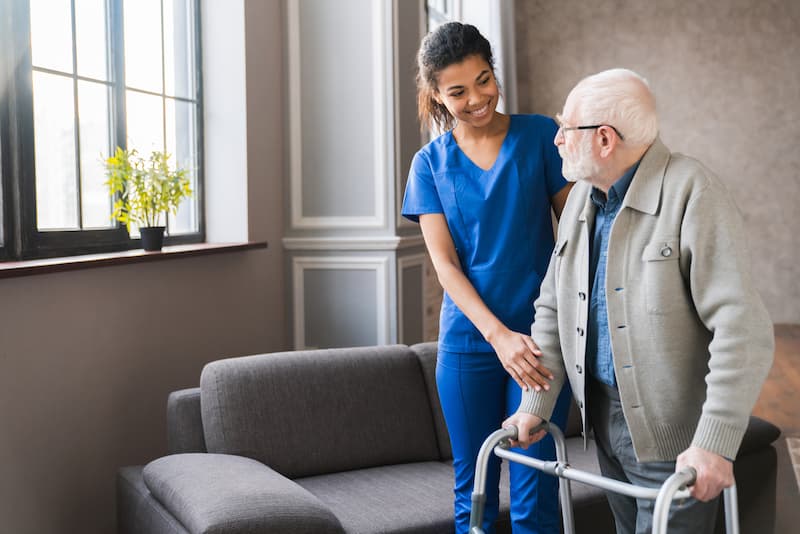
Maintaining mobility is crucial for independence and daily comfort. Physical senior recreation doesn’t have to be strenuous—gentle movement can make a big difference. Consider these accessible options:
- Chair Yoga: Adapted yoga routines improve flexibility and balance, even for those with limited mobility.
- Tai Chi: This slow, flowing martial art is excellent for balance and relaxation.
- Swimming or Water Aerobics: Water-based activities are low-impact and easy on the joints.
- Stretching Routines: Simple daily stretches can help prevent stiffness and maintain range of motion.
- Light Strength Training: Using resistance bands or light weights helps preserve muscle mass.
Before starting any new exercise, it’s wise to consult a healthcare provider to ensure the activity is safe and suitable for individual needs.

Creative and Educational Pursuits
Lifelong learning and creative expression are important at any age. Many older adults enjoy exploring new interests or deepening existing ones. Some possibilities include:
- Painting and Drawing: Visual arts offer a relaxing outlet for creativity.
- Cooking or Baking: Experimenting with recipes is both practical and enjoyable.
- Learning a Musical Instrument: Picking up an instrument can be rewarding and mentally stimulating.
- Language Learning: Studying a new language keeps the brain active and opens doors to new cultures.
- Attending Lectures or Workshops: Many organizations offer talks and classes on a variety of topics.
For more inspiration on fun and engaging activities, check out these senior entertainment ideas designed to spark creativity and joy.
Support and Resources for Recreation
Access to meaningful activities can sometimes depend on available support. Family members, caregivers, and community organizations play a crucial role in helping older adults participate in recreation. For those living at home, there are a range of services and resources for older adults living at home that can make daily life safer and more enjoyable.
Simple adaptations—like good lighting, mobility aids, or safety devices—can make a big difference in enabling participation. For financial planning related to hobbies and activities, senior finances guides can help manage costs and budget for recreation.
Frequently Asked Questions
What are some safe physical activities for seniors with limited mobility?
Gentle exercises like chair yoga, stretching, and water aerobics are excellent options for those with mobility challenges. These activities help maintain flexibility and strength without putting strain on joints.
How can older adults find local recreation programs?
Community centers, libraries, and senior living facilities often offer a variety of programs. Online resources and local bulletin boards are also good places to discover new opportunities for engagement.
Why is social interaction important in senior recreation?
Social activities help reduce feelings of loneliness and isolation, which are linked to better physical and mental health. Group recreation encourages friendships and a sense of belonging.